Belitsoft > profile

Alexander Kom

Business Development Director at Belitsoft
Expert in IT staff augmentation (5 dedicated development teams have been created, 500 team members have been hired).

Alexander joined Belitsoft in 2008; he started his career in software development here and has been working for the subsequent growth of the company's customers’ base.

His area of responsibility includes:

  • Being sales manager / account manager / service delivery manager on his projects.
  • Coordination of Recruitment Department in the company.
  • Strategic planning and coordination of some internal departments.
  • Building Dedicated Teams in software development and taking decisions and negotiating issues related to it.
  • Negotiation and deal making process, working with key clients.
  • Organizational issues and improvement of cooperation/communication between development team and direct customers.
  • Assist in resolution of various disputes during software development process.
  • Creating network of Independent Vendors.
  • Helping to get and deliver Fixed Price, Time and Material projects.
  • Responsibility of Income growth of the company.

The main purpose of his activities can be stated as: the ultimate goal of all efforts is the result. The result should meet the qualitative and financial criteria for which it was achieved.

.NET Development Nearshore
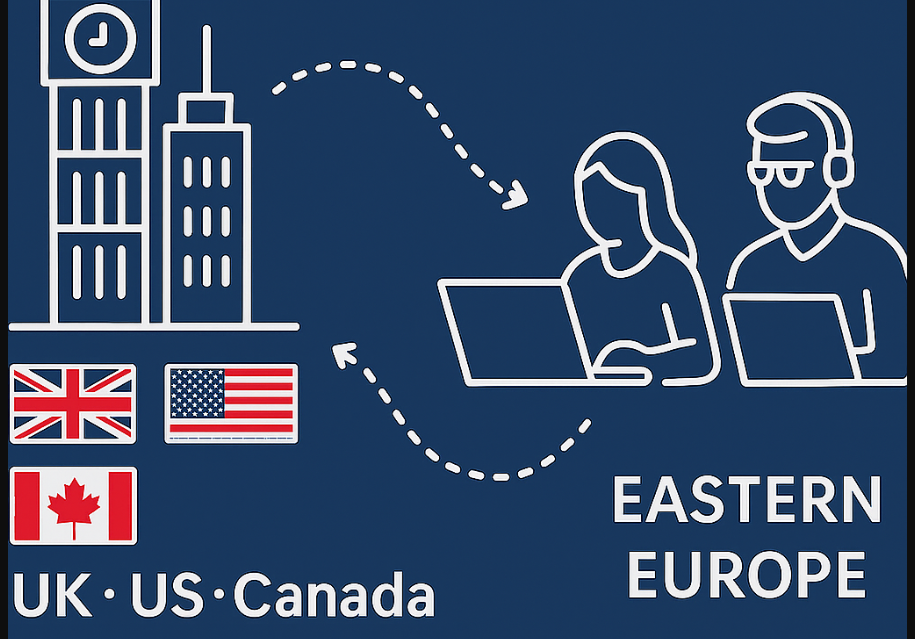
A strong nearshore .NET partner like Belitsoft can build new systems from the ground up, provide entire dedicated teams at scale, and modernize and rescue legacy projects. In all our cases, the clients achieved their goals faster and at lower cost than if they had relied only on local resources. Belitsoft’s two decades of experience in .NET development (the company was founded in 2004 and has focused on .NET since 2006) has equipped it with battle-tested processes for remote collaboration and a broad bench of Microsoft-certified talent.  Specify .NET Project Requirements Type of Project Project requirements are set before searching for developers. Since .NET supports many kinds of applications, the specific .NET skills and the project’s scope are identified at this stage. Web Development Building web applications or services with ASP.NET Core (for modern, cloud-ready web apps) or ASP.NET MVC. .NET web developers create everything from enterprise web portals to RESTful APIs. Mobile Development Developing mobile apps using C# and .NET (.NET MAUI for cross-platform iOS/Android). .NET’s unified platform allows sharing business logic across mobile and desktop. Backend and Cloud Services Building backend systems, microservices, and cloud integrations (using .NET for APIs, Azure Functions, etc.). .NET is often used for scalable server-side development, integrating with databases and cloud platforms. Full-Stack Solutions Combining .NET on the server side with front-end technologies (like React or Angular) to deliver end-to-end solutions. A full-stack .NET team can handle UI development along with the C#/.NET business logic and database work. Category of Project A project usually fits into one of three categories: a brand-new build, ongoing development, or modernization of an existing system.  New builds benefit from a nearshore team with experience in creating projects from scratch, architecture design, and rapid prototyping.  Ongoing development requires developers who can quickly understand existing codebase and follow established coding standards.  Modernizing a legacy .NET system requires migration expertise - moving from .NET Framework to .NET 6, 7, or 8 - and experience with refactoring older code. For example, Belitsoft migrated a mid-sized healthcare firm’s custom EHR from .NET Framework to .NET Core, which improved performance and enabled future enhancements.  Clearly defining the category of your project helps ensure you select developers with the right experience. Industry domain requirements Industry domain requirements specify the sector in which a .NET project will operate - finance, healthcare, e-learning, SaaS, logistics, or other fields.  Developers with prior experience in the same domain bring specialized knowledge - secure financial workflows, healthcare compliance (including HIPAA), or functionality for manufacturing and logistics. Many Eastern European .NET teams work across multiple domains.  For example, Belitsoft’s portfolio includes projects in banking, insurance, healthcare, manufacturing, and cybersecurity.  Teams with experience in a project’s domain reach productivity more quickly and can identify industry-specific challenges early. Look for Up-to-Date .NET Technical Skills Nearshore developers should be proficient in the latest .NET technologies and the full tech stack required for your project.  Microsoft’s .NET platform evolves quickly. The best nearshore developers stay current with recent .NET versions and related frameworks. Belitsoft’s .NET engineers, for example, stay aware of the latest Microsoft trends and use the modern, cross-platform .NET ecosystem to build web, mobile, desktop, cloud, and even AI-powered applications.  When evaluating candidates or vendors, confirm they have experience with .NET Core (the modern .NET), not just older .NET Framework, unless your project specifically needs legacy expertise. Beyond the core .NET language (C#) and framework, consider what other technologies and complementary skills are needed. Modern .NET projects often rely on a broad stack: cloud services, front-end frameworks, databases, and more.  Cloud Platforms Many .NET applications are deployed on cloud infrastructure. Check for experience with Microsoft Azure (or AWS/GCP if applicable). Skills like Azure DevOps, Azure Functions, containerization (Docker/Kubernetes), and cloud architecture are valuable when your project is cloud-based. A .NET team that has delivered Azure cloud solutions and understands CI/CD will add great value. Front-End Technologies If building a web UI or SPA, .NET developers also need skills in JavaScript frameworks like React, Angular, or Vue.js for the front-end. Full-stack .NET developers who can integrate an ASP.NET Core backend with a React or Angular frontend can accelerate development. This is important for delivering a modern user experience in web projects. Databases and ORMs Ensure the team is familiar with the databases you use - commonly Microsoft SQL Server in the .NET world, but also other SQL databases (MySQL, PostgreSQL) or NoSQL stores (MongoDB, Redis) as needed. Proficiency in ORMs like Entity Framework Core is a plus. Belitsoft’s teams, for example, work with SQL Server, MySQL, PostgreSQL and NoSQL like MongoDB or Azure Cosmos DB to suit different project needs. APIs and Integrations Most .NET projects require building or consuming APIs. Look for experience in designing RESTful APIs with ASP.NET Web API, and integrating third-party services (payment gateways, CRM systems, etc.). Knowledge of authentication protocols (OAuth, JWT) and API security is also important in enterprise projects. Other Microsoft Ecosystem Skills Depending on your project, specific Microsoft tech will be relevant - SharePoint, Office 365 integration, Power BI, or older frameworks. If these are needed, ensure the nearshore team has that know-how. During your evaluation, ask technical questions to verify these skills. Request code samples or a short technical assessment.  A strong nearshore .NET partner will be able to outline their approach to solving a sample problem (how to optimize a slow ASP.NET Core API, etc.) and reference relevant case studies where they used the required tech stack.  Eastern European development teams typically have years of experience across multiple programming languages and niches, and are proficient in areas like web development, mobile apps, and QA testing. This breadth means a nearshore .NET team can likely cover all aspects of your project’s technology needs. Why Eastern Europe for Nearshore .NET Development Eastern Europe is a top choice for nearshore .NET talent due to its combination of high-quality skills, large talent pool, cost-effectiveness, and geographic proximity. Unlike farshore outsourcing locations, Eastern Europe offers closer time zone alignment and cultural compatibility, which can be very important for agile collaboration and daily communication.  Advantages of hiring .NET developers in Eastern Europe Top-Tier Talent Pool Eastern Europe’s tech workforce is both deep and skilled. The region is home to hundreds of thousands of software developers with strong engineering education. Europe now has the largest tech talent pool in the world, surpassing regions like Latin America or India in sheer numbers.  Many Eastern European countries consistently rank among the world’s best in programming and math skills. For example, developers from one EU country ranked 3rd globally in coding challenge performance in recent years. This means you can find highly capable .NET engineers, including senior architects and niche experts, relatively easily through nearshore vendors in the region. Cost Savings without Quality Sacrifice Hiring in Eastern Europe is cost-efficient when compared to Western Europe or North America. Companies report saving on developer rates and associated employment costs on the order of 30% to 50% by nearshoring to Eastern Europe.  While rates are higher than in some Asian regions, the cost-to-quality ratio is extremely attractive. Fully loaded developer rates (including vendor management and overheads) remain significantly lower than domestic hires, and those savings multiply for larger teams or long-term projects. For example, by partnering with Belitsoft, one client was able to reduce their yearly development expenses by almost 45%, saving over $600,000 per year while maintaining high code quality. These savings come from lower wage rates, but also from avoiding expenses like recruitment fees, employment taxes, or office costs - since the developers are contracted through the vendor. Time Zone Alignment and Proximity If you are in Western Europe, Eastern European developers work on a very similar clock. Key tech hubs (Poland, etc.) are just 1-3 hours ahead of places like the UK, France, or Germany. This minimal time difference allows for full-day overlap in working hours, enabling real-time collaboration on daily stand-ups, pair programming, and quick issue resolution. Even for North American companies, Eastern Europe’s day overlaps at least half a day with the U.S. morning, facilitating communication.  English Proficiency and Cultural Fit Developers in Eastern Europe typically have strong English language skills and a work culture compatible with Western business practices. The IT industry in this region operates in English by default - English proficiency levels here rank within the global top 25 on EF’s English index.  Communication with your nearshore team will be in clear English, avoiding misunderstandings in requirements or technical discussions. Culturally, Eastern European engineers tend to have a proactive approach and will speak up with suggestions or questions (the region’s relatively low "power distance" encourages open dialogue). This means they won’t hesitate to flag unclear requirements or propose improvements early, which reduces defects and rework. The cultural alignment with Western Europe and North America makes integrating a nearshore team much smoother, as collaboration styles, business etiquette, and holidays have plenty of overlap. Strong Technical Education and Infrastructure Eastern Europe’s focus on STEM education produces a steady stream of well-trained developers. Many engineers hold university degrees in computer science or related fields. The region also has modern tech infrastructure - widespread broadband, reliable power.  Major cloud providers (Microsoft, Google, Amazon) have opened R&D centers or cloud regions in Eastern Europe, giving local developers cutting-edge exposure to cloud, AI, blockchain, and IoT technologies.  All of this results in nearshore .NET teams that are technically adept and able to leverage modern tools for your project (doing CI/CD with Azure DevOps on robust networks, etc). Furthermore, if your project involves data privacy or compliance (GDPR), nearshoring within Europe keeps data under EU laws - a bonus for regulated industries. In summary, choosing an Eastern European nearshore partner gives you high-caliber .NET talent, cost efficiency, and seamless collaboration. There is no need to fixate on one country in the region - countries like Poland etc., all offer excellent developers. What matters more is finding the right vendor or team within Eastern Europe that matches your specific needs, which we’ll address next. Engagement Models: Dedicated Teams vs. Full-Service Outsourcing When looking for nearshore .NET developers, you should decide on the engagement model that best fits your organization. Generally, there are two primary models (which some vendors can combine or switch between): staff augmentation (dedicated developers/teams) and project-based outsourcing (full-service development). Dedicated Team / Staff Augmentation In this model, you hire one or more dedicated .NET developers (or an entire team) through the nearshore vendor. These developers act as an extension of your in-house team. You manage their day-to-day work, set tasks, and integrate them into your processes (Agile sprints, stand-ups, etc.), while the vendor takes care of administrative overhead (HR, payroll, office space).  Dedicated team contracts give you a consistent group of engineers who work only on your project. This is ideal if you want to retain a high degree of control and have long-term work.  For example, a cybersecurity company engaged Belitsoft to provide 15+ .NET developers as a dedicated extension of their team, allowing the client to scale up development capacity quickly while Belitsoft handled hiring and HR.  Staff augmentation works well when you have internal project management and just need to add talent. It’s also flexible: vendors can often add or remove developers with only a few weeks’ notice as your needs change.  If you plan to hire multiple developers, ensure the vendor can provide a stable team (with minimal turnover) and possibly a team lead on their side to coordinate. Many companies start with a pilot team for 2–3 months and then scale up if it’s successful - a common approach in nearshoring is a 12-week trial sprint phase to make sure the dedicated team meets expectations before committing long-term. Full-Project Outsourcing (Development Agency) In this model, you hand off an entire project or a sizable portion of it to the nearshore development agency. The agency then provides end-to-end service - typically including project management, business analysis, UI/UX design, development, QA testing, and DevOps.  This is outsourcing the project rather than just people. It’s a good choice if you don’t have an internal development team or want the vendor to take full responsibility for delivering outcomes.  Belitsoft, for example, often acts as a full-service .NET development firm: in a collaboration with one global tech company with 17,000 employees, Belitsoft provided a full-cycle development team (PM, BA, designers, front-end & back-end .NET developers, QA engineers) to modernize the client’s legacy system. The vendor managed the entire SDLC using Agile, delivered features iteratively, and handled all quality control - freeing the client to focus on strategic decisions.  When evaluating this model, look for vendors with proven project management processes (Agile/Scrum expertise) and the ability to scale resources as needed for your project’s phases. Also ensure they offer transparency (regular reports, access to issue trackers, etc.) so you maintain visibility. Importantly, many nearshore providers (Belitsoft included) are flexible and can do hybrid arrangements. For example, start with a staff augmentation approach (embedding a few developers in your team), but later ask the vendor to take on a specific module as a fixed-scope project. Or vice versa: outsource initial development and then transition to a dedicated team for ongoing support. When discussing with potential partners, clarify if they accommodate both models. A vendor who can both augment staff and deliver turnkey projects gives you the most flexibility to adapt the collaboration over time. Consider also the level of involvement and support you need. If you have strong technical leadership in-house, lean towards augmented dedicated developers under your direction. If not, an outsourced project with the vendor’s solution architects and tech leads deliver better results. There’s no one-size-fits-all answer - the best nearshore .NET firms will work with you to choose the model that fits your goals and budget. Project Size, Budget, and Duration Considerations When planning a nearshore engagement, outline the expected project size, budget, and duration. These factors will influence which vendor or team is the "best fit" for you. Project Size & Budget Nearshore .NET development is suitable for projects ranging from small MVPs to large enterprise platforms, but different vendors specialize in different scales. Be upfront about your estimated budget range or project scope (in terms of person-months).  For example, if you have a smaller project, you prefer a vendor who works with startups or does fixed-price MVP developments. For a mid-sized project, a dedicated team of 3-5 developers over 6-12 months might be appropriate. Larger projects (multi-year) may be about building a team of 10+ developers, adding architects, and a longer commitment.  Eastern Europe has companies of varying sizes - some boutique teams and others with hundreds of engineers - so try to match a vendor whose sweet spot aligns with your project’s scale. Belitsoft, for example, is a mid-sized vendor (250+ engineers) capable of handling large-scale projects (we have delivered teams of 100 developers/testers for a single client), but also structured to assist smaller clients with just a few developers. Make sure to discuss the budget early. While nearshore rates are lower than Western locales, high-quality .NET developers still command a reasonable price. Typical fully-loaded rates for senior .NET developers in Eastern Europe might range $45 USD/hour (depending on country and expertise) - significantly cheaper than U.S./UK rates, but not bargain-basement. If a quote seems too good to be true, quality may suffer. A transparent vendor will explain how their pricing works (hourly rates or monthly rates per developer, management fees, etc.). Also ask about any minimum engagement size - some agencies might have a minimum project value or team size, whereas others can start small and scale up. Duration of Engagement Decide how long you anticipate needing the nearshore developers. Are you looking for a short-term contract (3-6 months) to get through a crunch or build an MVP? Or is this a long-term partnership (12+ months) where the external team will become integral to your product development? Nearshore engagements can accommodate both, but you may target different providers or contract types accordingly.  Short-term needs might even be fulfilled by independent contractors via the vendor, while long-term usually involves dedicated teams or continuous outsourcing agreements. Many companies choose an initial 6-12 month engagement and then extend if the results are good.  It’s common to embed specialists within your team for a defined period or to use a managed service on an ongoing basis. Belitsoft’s standard approach for new clients is often to start with a 2-3 month pilot (Time & Materials contract) to prove the value, then proceed into a longer engagement - for example, we conducted a 12-week fixed-scope pilot for one client to measure delivery speed before signing a multi-year team contract. Be realistic about ramp-up time: even with nearshore speed, a complex project might need a few weeks for knowledge transfer. If you have a tight deadline, mention it - the vendor will deploy extra developers to accelerate initial delivery. Conversely, if you expect to maintain the software for years, assess the vendor’s stability and retention practices - you want a partner who can keep the same developers with you long-term. Fortunately, Eastern European vendors often offer good retention - engineers in places like Poland tend to stay with projects for multiple years if the work is engaging, which is great for continuity. Lastly, consider flexibility for scaling team size over time. One big advantage of nearshore vendors is the ability to scale up or down quickly. If you need to double the team size later (or scale down after a phase), clarify how the vendor handles that. Most will accommodate increases with relatively short lead times by tapping into their talent bench or local network. For example, when one client suddenly needed to accelerate, Belitsoft was able to add several .NET developers within a couple of weeks to meet the new timelines, whereas hiring that fast internally would be nearly impossible. This elasticity is a key benefit to leverage. Communication and Collaboration Priorities Smooth communication is at the heart of successful nearshore development. When selecting a .NET nearshore team, pay attention to factors like language skills, time overlap (we covered timezone fit earlier), and the vendor’s collaboration practices. English Proficiency As noted, ensure the developers and managers you’ll work with are fluent in English (or your preferred business language). Most Eastern European developers speak at least upper-intermediate English, but communication styles can vary.  During initial calls, gauge how clearly they express ideas and whether they understand your questions without needing repeated clarification.  Belitsoft, for example, highlights English skills as a hiring priority - our Eastern European teams collaborate daily with U.S. and UK clients with no language barriers.  Clear English and a shared technical vocabulary (familiarity with Agile terms in English, etc.) prevent costly misunderstandings. Overlap and Availability Even with a close time zone, confirm the working hours and overlap.  If you’re in the US, will the .NET developers have at least a few hours of overlap in your morning? Many nearshore teams adjust schedules slightly to accommodate key meetings with overseas clients.  The one-hour difference within Europe is ideal – teams in Eastern Europe can easily join calls throughout the Western European workday.  Also ask about on-call or emergency support if your project demands it (for example, if you run a SaaS product that might need urgent fixes off-hours). Some nearshore vendors offer 24/7 support rotations, but that might incur extra cost or need a larger team. Cultural and Work Style Alignment Successful collaboration also depends on work culture fit. Eastern Europe has a professional culture that values direct communication and problem-solving. Developers there are generally comfortable raising concerns or providing input when something can be improved (thanks to a culture that doesn’t strictly defer to authority).  This is beneficial for agile development - you want a team that will question unclear requirements and suggest better solutions rather than silently building the wrong thing.  In your vetting process, look for signs of this proactive attitude.  For example, did the vendor ask insightful questions about your project in early discussions? Do their engineers offer opinions on architecture or do they wait to be told what to do? The latter might indicate a less engaged team.  You can also request a trial day or pair-programming session with a developer to see how they collaborate.  Cultural alignment goes both ways: ensure your organization is prepared to integrate remote team members (use tools like Slack, Teams, Jira, and hold regular video stand-ups so the nearshore devs feel included and informed). Communication Tools and Practices A good nearshore partner will have established practices for remote communication. Ask what tools they use (Jira or Azure DevOps for task tracking, Slack/Teams for chat, Zoom for meetings). Transparency is key - you should have access to progress tracking, and there should be agreed meeting cadences (daily stand-ups, weekly demos, etc.).  For example, Belitsoft follows standard Scrum ceremonies with many clients: daily stand-ups via video, bi-weekly sprint reviews, and a shared Jira board where clients can see tasks and updates in real time. This level of integration keeps everyone on the same page.  Clarify if the vendor provides status reports or if you’re expected to manage tasks directly. In dedicated team setups, often the client’s project manager will handle day-to-day management, whereas in full outsourcing, the vendor’s PM might provide weekly progress reports.By prioritizing these communication factors, you set the stage for a productive working relationship. Уou want a nearshore .NET team that feels like an extension of your own team, not a black box. Strong English skills, overlapping work hours, and a compatible work culture will make distance virtually a non-issue. Vendor Track Record and References Finding the "best" nearshore .NET developers isn’t just about technical skills or cost - it’s also about choosing a reliable vendor with a proven track record. You should thoroughly evaluate each potential partner’s experience and reputation.  Check Case Studies and Client References Reputable development firms will have case studies or success stories for similar projects. Ask for concrete case studies and contactable references - this is one of the strongest indicators of a capable partner. Look for projects that resemble yours in some aspects: like a case where the vendor built a financial trading platform that handled high traffic, or modernized an enterprise system under tight deadlines.  If a vendor can describe how they delivered measurable results in an environment similar to yours (say, migrating a legacy system to Azure cloud, or scaling an e-commerce app), it shows they understand challenges of scale, performance, and security that you might also face. Request client references to speak with - a brief call or email with one of their previous or existing clients can confirm the vendor’s strengths (and any weaknesses). Review Industry Expertise If your project has domain-specific needs (banking regulations, healthcare data standards, etc.), inquire about the vendor’s experience in that industry.  Many Eastern European companies cover a broad range, but some specialize. For example, a vendor might highlight case studies in FinTech or MedTech, indicating familiarity with things like PCI compliance or HL7/FHIR standards for health data. Belitsoft, as an example, has dedicated pages and case studies for industries like healthcare, where we modernized legacy EHR systems and integrated healthcare analytics. This background can be invaluable – developers who know your industry can anticipate user needs and compliance requirements better.  However, even if a vendor hasn’t worked in your exact field, a track record of quickly learning new domains (demonstrated by variety in their portfolio) is a good sign. Assess Team Size and Expertise Depth Ensure the vendor has enough depth to support your needs. A company with only a handful of developers might struggle if you suddenly need to scale up, or if one person leaves. On the other hand, a very large outsourcing firm might not give enough attention to a smaller project.  Belitsoft’s approach, for example, is to maintain dedicated teams for each client and we have over 250 developers, so backup talent is available if needed (bench resources), but each client team remains focused.  Check if the vendor has senior .NET architects on staff - complex projects may require high-level design decisions (like microservices vs monolith, or how to migrate to the cloud). Ask about their talent mix: juniors vs. seniors, any Microsoft Certified developers, etc. A strong vendor will proudly share their developers’ certifications or achievements (like MCP, Azure Developer certificates, etc., which demonstrate formal expertise). Quality Assurance and Process Part of a vendor’s track record is how they ensure quality. Inquire about their testing practices (do they write unit/integration tests? use QA engineers for manual and automated testing?).  A reliable nearshore team should include QA by default or be open to integrating with your QA.  Also ask about methodologies - do they use Agile/Scrum? How do they handle changing requirements? Belitsoft, for example, often adopts an Agile approach with frequent demos so the client can see progress and provide feedback continuously. The vendor’s ability to adjust to your process (or provide a solid one of their own) matters for a successful outcome. Security and IP Protection Given that you’ll be sharing your code and business ideas, the vendor’s policies on IP and security are important.  Reputable companies in Eastern Europe operate under strict NDAs and often have certifications like ISO 27001 for information security. Check if they comply with GDPR (if relevant) and how they protect source code (using secure repositories, VPN access if needed, etc.).  Eastern Europe, especially EU members, adhere to strong data protection laws, and vendors commonly meet standards required by enterprise clients.  For peace of mind, you can also look at whether the vendor has partnerships or recognitions (for example, Belitsoft is a member of the Forbes Technology Council and holds a 5-star rating on Gartner’s platform, which attests to our credibility in the market). As a final step in vetting, conduct technical interviews with the specific .NET developers or tech leads who will be assigned to your project. Many Eastern European engineers will impress you with both their technical answers and their understanding of business context (since they often work with international clients already). By combining all these checks - case studies, references, interviews, and industry fit - you’ll gain confidence in selecting a partner that can truly deliver.
Hire Dedicated Backend Developers
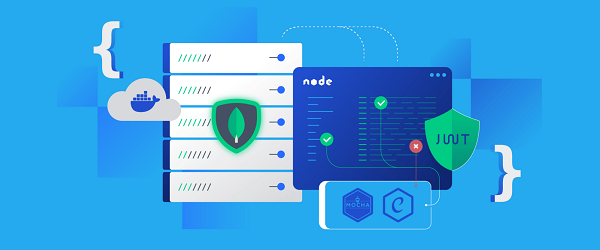
Hire dedicated backend developers to create scalable and feature-rich server-side solutions with a reliable partner. Belitsoft is a full-service software development company that provides dedicated backend development services both for early-stage startups and mature product companies. Backend developers ensure the proper functioning of websites, focusing on databases, back-end logic, application programming interfaces (APIs), architecture, and servers. With the help of coding, they facilitate communication between end-user devices (mobile devices, browsers, desktop applications, etc.) and databases, as well as storing, understanding, and deleting data. Backend developers use a range of programming languages such as C#, PHP, Java, Ruby, Python, etc. to create codes they can further accompany with front-end developers. What skills are necessary for a Dedicated Back-end Developer? Competency in the usage of well-known frameworks, such as Node.js, Laravel, Django for Python Deep understanding of scripting languages, such as Javascript Solid grasp of database management systems like MySQL, Postgresql, or Oracle Acquiring knowledge of database optimization and server functioning Familiarity with cloud platforms: AWS, Azure, Google Experience working with the version control system like Git The excellence of your web and mobile application relies on the proficiency of your app's backend. We assist in the recruitment of high-level backend developers who can take your data and turn it into user-friendly applications. With Belitsoft, you can save up to 40% on backend development, testing, and support costs. Let us have an exchange of ideas. When You Need Dedicated Backend Developers Lack of resources When your workload is substantial, such as upgrading your backend codes to achieve a more efficient integration and quicker operations, or scaling your app or web development project to satisfy customer needs, you may have to enlarge your team. If you lack available developers to synchronize development with growth, hiring dedicated backend developers is a go-to option. Lack of expertise If your company needs a backend developer with expertise in a specific tech stack to work on a short-term project, consider outsourcing rather than hiring someone full-time. Or if you have a startup and require a skilled team of backend developers to create a fully functional solution, you may face difficulty finding a local software development team in your country with the required expertise. Limited budget Your project requires multiple or complex features and functions, but you don't have the resources to hire an appropriate backend developer to deliver it. Reduced cost of developers and larger selection in Eastern Europe makes outsourcing a viable option. Benefits of Hiring Dedicated Backend Developers Cost-Effectiveness Partnering with a team of dedicated back-end developers can be a cost-efficient solution compared to building an in-house team. There are no expenses for hiring, training, and onboarding. For startups, partnering with an offshore development team can offer top-notch cost-effectiveness. This is beneficial for startups based in high-income countries like the US, UK, or Israel, as they can partner with top backend developers from offshore countries. Expertise Skilled backend developers who have worked on multiple projects bring the innovation to make your solution's server-side more secure, scalable, and efficient in a timely manner. Easy Scalability Collaborating with an outsourcing vendor is essential for business expansion. Bringing in a dedicated backend development vendor provides you with the flexibility to add new members and resources as the project demands, while also having the option to downsize promptly when necessary. Large Talent Pool A reliable software development vendor has a robust talent pool covering all major industries and technologies to create a high-quality solution for various businesses. How Much Does it Cost to Hire a Backend Engineer? The development cost remains unstandardized. Factors like expertise, scope, and hours affect the expenditure. The company tailor the prices to your specific needs. Belitsoft conducts a thorough discovery phase prior to work to ensure that your project plan is well-defined, and our work process aligns with your project quote and plan. On average, hiring Belitsoft's backend developers is two to three times less expensive than hiring from Western Europe, Israel, and the USA. How to Hire a Dedicated Backend Developer Step 1. Choose a software development vendor One way to assess the competency of a backend development team is to examine their portfolio of similar projects. Previous experience makes them the right choice. However, if you're working on a novel idea, they may not have a portfolio of similar projects. Besides their portfolio, it's important to check for excellent reviews and ratings from past customers. You can research their website, social media profiles, and case studies to get a sense of their work quality and customer satisfaction. Get feedback from customers in your industry or network. Step 2. State your requirements and get project assessment The choice of a programming language depends on your tasks and goals. Find developers who can write high-quality code in preferred language or in line with specific demands. To get started, simply discuss your project requirements and specifications. Sign a non-disclosure agreement (NDA) to protect your intellectual property. After that, the vendor’s professional team will share the resumes of available backend developers so that you can choose the best fit for your project. Step 3. Review CVs and interview candidates The selected software development vendor reviews the CVs of the backend developers. After examining the CVs, a vendor shortlists the applicants and interviews with them. Step 4. Sign required contracts After selecting a suitable dedicated backend developer, we will sign all necessary documents to begin the development process. Step 5. Final approvals and billing Once they have finished the project, they will bill any outstanding fees that they agreed upon but not yet billed, and they will officially close the project. We bill outstaffing customers monthly for extra work requested. Why Hiring Dedicated Backend Developers from Belitsoft Cost-Efficiency Based on various statistics, hiring a backend developer who is based in Eastern Europe might result in significant cost savings. Compared to hiring developers locally in countries such as the UK, USA, and Canada, it is often estimated to be around 2 to 3 times less expensive. Access to a Highly Experienced Talent Pool Belitsoft's clients have access to competent backend developers proficient in programming languages Python, Java, C#, PHP, and expertise in database development and cloud deployment.  Belitsoft has put in place a thorough selection and grading system, to ensure that we can provide you with first-rate backend developers while still being cost-effective. Our team has expertise in everything from connecting your application to a robust database to API development, ensuring seamless communication between systems. We offer the opportunity for you to evaluate our developers' skills by conducting one-on-one interviews and assigning them tasks to complete within a deadline, enabling you to choose the best fit for your project requirements. No Freelance Resources We dedicated our company to delivering excellent service to our clients. To achieve this, we employ a team of skilled backend developers who work full-time in-house. We carefully select our developers to ensure that we consistently deliver projects on schedule. Full Cycle of Backend Development Services at One Place  Our dedicated backend developers work closely with front-end developers, UX/UI designers, QA specialists, and cloud experts, as well as with your in-house team with a single aim to ensure a seamless, user-friendly experience for your customers. Belitsoft also provides ongoing support and other resources (Business Analyst, Project Manager) to help our clients succeed. High and Budget-Saving Scalability Easily adjust the number of backend developers as your business grows. We prefer a core team of senior backend developers who can start working right away and help onboard new people to the project. Best Backend Practices To ensure efficient and uninterrupted deployment, our backend developers use automation platforms to review code. We also incorporate the most current tools available. Continuous Learning Policy Belitsoft dedicates 20 hours per quarter to allow our backend developers to engage in learning opportunities. We encourage and provide training for our developers to stay current with the latest technologies daily. Data security We prioritize stringent application security through dependable development techniques, and our developers maintain a strong awareness of the data accessibility rights involved with your project. We guarantee your data remains private and you maintain exclusive ownership of the IP rights. Communication and Financial Transparency It commits us to transparency and honesty in our reporting and never hides emerging issues or concerns. We keep you informed of your project's progress. Our clients pay clear and upfront monthly recruitment fees for our services, with no hidden costs. Business Ethics Our teams frequently collaborate with companies from all over the world, spanning North America, Europe, and Asia. We have experience in the development market in each region. Our team also prioritizes project security and maintains strict measures to ensure the safety of your data and keep your development plans confidential until you're ready to launch your project. Quick Start Finding the right developer usually takes two weeks. We can assemble a team more rapidly. All you need to do is provide us with your project specifications and approve our quote. We'll sign a non-disclosure agreement and get to work without delay. Effortless Management Our clients are always aware of every upgrade, delivery, or change. For each individual project, our dedicated backend developers create a well-structured communication system, including Jira, daily meetings, reports after every 2-week sprint, and much more depending on the client’s preferences and company culture. Flexibility in Choosing Engagement Models We start by selecting a contract model that will decrease the client's costs for development and speed up the software product delivery. Usually, we offer Time & Material, Fixed Price, or Cost Plus pricing models depending on the specifics of each individual case. Every business can hire a dedicated backend developer, the entire team, or backend developers for a certain project. The Team of Dedicated Backend Developers This model is dominant for startups tackling complex solutions and secure backend architecture. Under this model, we can provide a team of dedicated backend developers to collaborate seamlessly with your existing systems and development structures, assisting you in hiring web programmers and elevating your IT capabilities.  The convenience of sourcing a dedicated full or part-time team without the burdens of hiring in-house. This model is perfect for those lacking technical expertise in backend frameworks for continuous projects. It is also well-suited for startups that do not have in-house backend engineers. Backend Developer If you require a backend developer on your team but lack the resources to hire an in-house developer directly or prefer a cost-effective approach to adding a team member to your internal workforce, we can provide outsourcing services for 1-2 top backend or full-stack developers. Backend Developers on a Per-project Basis You can engage our dedicated team to develop highly complex features within a larger project. We provide a well-balanced team, coordinated by a project manager, under this model. This is the ideal cooperation model for programmers seeking a cost-efficient approach, requiring specific skills to create backend functionality, and seeking a timesaving solution. Expertise in Top Backend Technologies We deliver clean, error-free code before deadlines. We strictly follow standards, syntax, principles of Object-Oriented Programming, and intuitive design. The technologies and tools we use include but are not limited to the following ones: .NET PHP Java Python NodeJS Wide domain expertise For 17+ years, our dedicated backend developers have been building custom software for businesses of all scales and niches, from startups to enterprises to ISVs and tech companies in a wide range of domains. Customers’ reviews and multiple case studies prove the expertise in them. Elearning Healthcare Data privacy and security Logistics and Transportation Financial Manufacturing etc. Extensive expertise by solutions Need a custom ERP to manage unique workflows in your business effectively? Or an enterprise learning solution, like a custom Learning Management System or Talent Management System, to fill skills gaps and ensure internal mobility in the company? Or a custom EHR/EMR with advanced tools like video conferencing, IoT technology, voice recognition, appointment scheduling, and many more features that you or your clients need? Belitsoft’s talent pool also has professionals in Business Intelligence, building SaaS solutions, CRMs, and many more. Haven’t found the solution you need? Drop us a line to learn if we have the right specialists for your project. Results and Dedicated Backend Success Stories for Our Recent Clients The Team of 100 Specialists Cut the Cybersecurity Software Development Cost by 40% Losing Clients due to Failing to Deliver Software Products to B2B Clients On Time Our client, an Israeli cybersecurity company, had a series of complex software products that were sold to B2B customers. To sell a product, the company had to customize it for each client's individual needs and thoroughly test it before delivery. The capacity of the company’s in-house team wasn't sufficient to fulfill so many tasks on time, so the queue of orders was growing, leading to poor customer experience and the potential loss of clients. The company partnered with the Belitsoft software development company to get the specialists with Java, Python, and Cybersecurity domain knowledge immediately and at a 40% lower cost than in Israel. Applying Best Practices to Scale the Dedicated Team from 5 to 100 Specialists ➥ Recruiting the team's core To urgently deal with the challenge, Belitsoft started by building a dedicated team of 5-10 backend developers and QA testers to create a high-performing core of senior-level specialists. We gradually added new dedicated backend developers and QA testers to the project when work was growing. The initial core team was successfully onboarding the new team members, creating an effective team scaling and expertise-sharing pipeline. ➥ Managing a team of dedicated backend developers and QA testers Belitsoft not only creates high-performing teams but also smartly builds and manages the process of joint work between the remote and in-house teams to achieve significant results quickly. For communication and visibility of progress, we use project management tools (Jira), and source code management tools (GitHub), in combination with regular online meetings and calls. ➥ Keeping core specialists for 2+ years on the project Thanks to the transparency of work, regular communication, and attention to feedback, we’ve achieved 85% of team retention after 2 years of work. The dedicated team works on a Cost Plus pricing model, which is ideal in this case because the project lasts for over 1 year, the company has an in-house development team but needs to augment its capacity, the business managers want to fully manage the dedicated developers like their own in-house employees. Delivering Software Products to End Clients on Time at a 40% Lower Development Cost Belitsoft has created and effectively manages a team of 100 dedicated backend developers and QA engineers. We've implemented our techniques to ensure the in-house and external teams work together efficiently. Outsourcing software development, customization, and testing to Belitsoft allowed the Israeli enterprise to  save 40% on development and testing, keep all customers thanks to maintaining the products on top of technologies, deliver products to end customers on time. Learn in more detail how an Offshore Dedicated Team of 100 QA Testers and Developers Lowered the Development Cost by 40%. Let's discuss how it can work in your case. Skilled Dedicated Backend Developers for a Fortune 1000 Telecommunication Company Insufficient Development Capacity to Upgrade an MVP Urgently to a Full-Featured Software Product Our client, a US-based global telecommunication company, launched an MVP to test a new idea - a product for prepaid calling services. Immediately after launching, the MVP made a revolution, which required a rapid development of a full-featured version that would gain market leadership for long and be easy to use and high-quality to attract and keep paying customers. However, the software product company didn’t have enough skilled in-house specialists to meet the business goals. That’s why they opted for hiring dedicated backend developers. As the company already had a positive experience with Belitsoft, they contacted us immediately. Getting 15+ Senior Backend Developers Quickly to Increase the Development Capacity ➥ Assigning the team core from existing Belitsoft’s talent pool To meet tight deadlines, we built a dedicated team by assigning 7 reliable, senior-level backend developers and UX/UI designers. As a result, the team-building process was quick, and our highly senior specialists started performing immediately, delivering significant results quickly. ➥ Recruiting backend developers to scale up the team quickly Belitsoft fully managed searching and sifting hundreds of applicants for the project, offloading the company management, and speeding up the process because of our extensive expertise. The Client’s decision-makers approved the shortlisted applicants. In only 6 months, the dedicated team grew up to almost 20 specialists. ➥ Managing dedicated backend developers effectively to deliver results on time To effectively manage a constantly growing development team, we involved the core initially assigned senior developers in the process. They not only helped select the specialists according to the project requirements, but also onboarded the newcomers, and managed them to deliver excellent results. We’ve chosen an Agile project management method to deliver tangible results and make requested changes frequently and regularly. They selected the Cost Plus pricing model as the best option for long-term projects that last 1+ years. It’s given the entire control over the development process to the client while offloading them from creating the infrastructure for the developers and handling administration processes like hiring. ➥ Keeping the dedicated backend developers for 5 years Belitsoft has helped set up and manage the communication between the remote and in-house developers, making their mutual work transparent and productive. Regular communication with developers has allowed us to stay aware of any issues and be ready to resolve them right away. During the 5 years of joint work, the development team reached 25 specialists involved in the project on a full-time basis. Delivering a High-Quality Product in 3 Months to Achieve Market Leadership The effective work of Belitsoft and Belitsoft’s and in-house teams resulted in the creation of a well-designed SaaS application with great functionality and UX from scratch. Outsourcing software development to Belitsoft helped the telecom enterprise solve all initial challenges, including getting many skilled backend developers quickly scaling the development team fast based on the project scope entering the market first with a revolutionary software product achieving and keep leadership and a larger market quote thanks to delivering highly performing and engaging software See the project details in our portfolio – Urgent Need for 15+ Skilled .NET Developers for a Fortune 1000 Telecommunication Company. Or contact us directly to learn how we can help you. Senior Developers to Scale B2B BI Software for the Company Gained $100M Investment Urgent Need for Top Backend Developers after $100M Investment Our client, an Independent Software Vendor (Israel and the US), developed a BI software product for digital employee experience management. Because of the pandemic and a global shift to hybrid and remote work, the company gained extensive attention from investors and gained $100M of investment. To upgrade the software product according to the high expectations of investors, the business had to grow the development team by 40% in 1 year. After Receiving a positive review of Belitsoft, the ISV reached out to our company to gain the highest quality .NET services. Getting Top Backend Developers Urgently to Meet Tight Deadlines ➥ Recruiting stellar backend developers in a short term To search for only the best software engineers, Belitsoft collaborated with the client's management team to develop a hiring procedure that has shown its effectiveness. The team-lead level specialists combed through multiple CVs to find the best candidates. Our goal was to supply the 2 best candidates for a personal interview with the client side steadily. ➥ Managing the team and scaling it up on demand When the project required more capacity for development, we repeated the recruiting process to scale up the team quickly. As a result, Belitsoft has provided 16 senior-level .NET developers to the client. Despite a specific knowledge domain and a complex software product, we’ve reduced the onboarding process to 2 weeks. For that, we have divided all the engineers into mini development teams with a mix of newcomers and those who work long. This has allowed us to create viable knowledge-sharing and mentorship. To ensure timely delivery and effective communication between teams, we’ve introduced daily meetings and the use of tools like Jira that have made the process fully transparent and predictable. ➥ Retaining backend developers on the project Belitsoft has used reliable techniques to make sure the developers remain with the project for the required period. For that, we’ve created the conditions for employees’ upskilling. Besides, we’ve been maintaining a trust-based relationship with managers and have done our best to detect interpersonal issues timely and resolve them. Delivering High-Performing Lucrative Product Meeting Investors' Demands Belitsoft recruited, onboarded, managed, and kept the senior-level, high-skilled, and motivated backend developers that have allowed the company to meet all its business goals:  upgrade the core business software to make it highly competitive in the market, meet high expectations of investors, meet tight deadlines, increase profit. Learn the project details in the success story 15+ Senior Developers to Scale B2B BI Software for the Company Gained $100M Investment. Our team is waiting for your message to help with your business case. Belitsoft provides senior Java, .NET, Python, and PHP backend developers to take your application to the next level. Do you need expertise in a specific programming language or technology not mentioned above? We have a solution for you, too. Hire a backend developer!
Hire Dedicated Web Developers
A dedicated web development team is a collaboration model that utilizes an outsourced workforce for long-term projects. This model is the most effective way to outsource. When you select and hire dedicated web developers, the vendor will assemble a group of professionals who are tailored to meet your business objectives. The dedicated development team resembles an in-house team hiring model, but it eliminates the need to manage tax, social benefits, and HR issues. Additionally, when you hire dedicated web developers, it allows you to focus on more critical business matters while the outsourced team handles other tasks. Check out how our dedicated web developers fill urgent need for senior developers to customize the Client's core software product for end customers. Find Out More Web Development Case Studies Dedicated Front-End Developers Get your website/applications user-friendly and enjoyable to use. Our world-class remote engineering talents create interactive web UIs using HTML, CSS, and JavaScript to interact with your data models. Our senior dedicated developers are pre-screened across skills in frameworks like React, Vue.js, and Angular. You’ll get a responsive design that looks, feels, and works great, regardless of the device, and has a competitive user interface that functions seamlessly across multiple platforms. Dedicated Back-End Developers Get reliable backend technology experts to help guide you through the web development process, and create business logic to manipulate data received from the client side. Revamp and upgrade your web app’s entire backend including purchase flow, payment processing, backend data repository, and more. Hire developers skilled in an MVC design pattern, who understand how to protect your apps. We provide high-caliber dedicated backend developers with an in-depth understanding of SQL Server, MySQL, PostgreSQL, MongoDB, Redis, Azure Cosmos DB and other databases. By choosing to hire dedicated Java developers or specialists in other backend technologies like .NET, you gain access to professionals who create crucial business logic for managing data from client-side interfaces, such as web pages or mobile apps. Their skillset extends to include managing the purchase flow, payment processing, backend data repositories, and more. Our API developers are experienced in decomposing monolith into microservices, creating RESTful services, deploying, and updating web applications from GitHub. Typical Structure of a Dedicated Web Development Team Business Analyst The main duty of a business analyst is to comprehend the business necessities and convert them into technical specifications that the development team can utilize to construct the web application. They are also vital in ensuring that the final output aligns with the business stakeholders' needs and adheres to the overall business strategy.  They are accountable for identifying business needs, examining business processes, and proposing improvements. Recommendations can include changes to the web application, to the way the project is managed, or even to the way the business operates overall. UX/UI designer Hiring a UX/UI designer for a web development project is crucial for its success. They design the user interface and user experience, conduct user research to meet their needs and preferences, and create wireframes, prototypes and mockups for the development team. They also ensure that the design is feasible and within budget and time constraints. A good UX/UI design leads to higher user satisfaction, increased conversion rate and improved business reputation. Tech Lead A tech lead ensures the technical aspects of the project are executed successfully. They are responsible for the overall technical direction, design, and implementation of the web project, as well as mentoring and guiding the web development team. Project Manager Hiring a project manager for web development is essential for ensuring the success of the project. They coordinate the development team, ensuring tasks are completed on time and within budget. They also identify and mitigate risks, manage resources, and ensure the final product meets client requirements and exceeds expectations. Without a project manager (third-party or your own), the project may not be completed on time and within budget. Investing in a project manager is a wise decision that will pay off in the long run. Quality Assurance testers Quality Assurance testers play a critical role in guaranteeing that the web application functions correctly and conforms to the set quality standards. Their responsibilities include testing the web application to ensure that it is free of errors and bugs and that it meets the specifications and requirements. Additionally, they conduct compatibility testing to ensure that the application runs smoothly on various devices and browsers. QA testers use different tools and techniques to perform functional, integration, system, and acceptance testing to detect and report any issues or bugs. They also collaborate with the development team to identify, prioritize and resolve defects promptly. DevOps engineers DevOps engineers are responsible for making sure that the application is deployed without any issues, always available and working properly. They constantly monitoring its performance and fixing any problems that arise. DevOps engineers rely on tools such as version control systems, containerization platforms, and infrastructure as code. When to Hire Dedicated Web Developers If budget constraints are preventing your company from scaling the web project, either through hiring more in-house developers or keeping up with product growth. If your team is unable to complete the scope of work in a timely and efficient manner due to a lack of web development resources. If your developers do not possess the necessary expertise to implement new features and scale the web application. Types of Dedicated Web Development Team Models Large team of dedicated web developers to expand the development department's capabilities for a long-term scope of work. Such team may consist of 4-6 web developers and more, with project management on your side. Small team of dedicated web developers to overcome specific challenges. Typically, 1-2 web developers are enough as team extension resources. The project management is on your side. Project-based dedicated web development team is suitable for startup founders or product managers. Belistsoft acts as a technology partner to develop the product from scratch, take care of future support, and scaling. The management takes place on our side. What the Process of Hiring a Dedicated Developer Looks Like You send us a request with the initial information about your web project, including the desired functionality. We schedule an introductory call, and if necessary, sign an NDA (non-disclosure agreement) before discussing the project in detail and introducing you to our web development company. We present you with a list of CVs of the most suitable members for your team. You shortlist the experienced candidates who are the best fit for the project. You have a technical conversation with our shortlisted candidates, usually with your CTO or in-house team. We repeat the search and interview process until you find the right candidate. Once satisfied with the candidate, we finalize all necessary documents, team models, and the dedicated web developer joins your project. Why Hire Dedicated Web Developers from Belitsoft Senior-level web developers without recruiting burden Belitsoft takes care of the burdensome recruitment process, including HR, payroll, accounting, local management, and the whole infrastructure, saving time and money.  To find the talents that fit your project best, our HR specialists search for candidates both within our proper talent pool and on the job market. By running multiple interviews, we shortlist only the best ones from whom our clients choose the professionals they prefer.  Competence in multiple web development tasks Belitsoft has completed over 200 web projects, from websites to complex enterprise platforms and apps, with 70 of these projects being particularly large and demanding, each requiring over 2000 man-hours. Now, our teams apply this hands-on experience to build many types of software, including CRM, ERP, LMS, EHR, BI solutions,  IoT solutions, etc. Belitsoft can also guarantee fast and high-quality results due to years of working in various knowledge domains, with the majority of projects in  eLearning, Manufacturing, Healthcare, Data Privacy and Security, Financial and Banking, Logistics and Transportation, Agriculture, Sports, etc Fair and clear pricing We always suggest various pricing models to choose from, including a dedicated team model for large projects that require a flexible time frame, budget, and control over the development process.  Our pricing is structured to provide long-term benefits for projects lasting 12+ months. The dedicated web developers work at a fixed monthly cost, with no hidden expenses. The final monthly fee is determined after all project requirements and needed developer profiles are agreed upon.  Full control and easy management Our clients get full control and easy management of projects. We keep business stakeholders informed of progress, development schedules, and deliverables at all times.  The development process is transparent, allowing our clients to monitor the team's activity without requiring constant attention. We use various project management tools such as Jira, Trello, Taskworld, Worksection, and Fusioo to track the team's progress. Regular meetings are scheduled for the business’s top managers to review what the team has accomplished and their plans for the upcoming days, as well as any issues that may have arisen.  Adaptability and 100% focus on the project The dedicated web development team can be adjusted at any stage of the project to meet changing requirements, budget, or market performance, allowing for adaptability and full focus on the project.  The ability to increase or decrease the number of dedicated web developers, or provide bonuses or salary increases to high-performing individuals, ensures that a business owner gets the most value for investment and sets the foundation for a long-term, mutually beneficial partnership. We can find the perfect dedicated web developer for you. Don't waste time searching for the right web developer, let us handle it for you! Contact us today to get started.
Top 10 Offshore .NET Developers [2026]
Why Choose Offshore .NET Developers Offshoring your .NET development to the right country and the right company offers compelling advantages for a business. Significant Cost Savings One of the main reasons companies choose to outsource is cost savings. Offshore developers in places like Eastern Europe, Asia, and Latin America are paid much less than developers in Western countries. Expensive software engineering can be done for a lot less, with reductions of 40% or more. You save money on office space, computers, and health insurance. This makes outsourcing appealing to companies that want good developers at a lower price. Tip! Companies that treat offshore developers as part of the team, hire skilled engineers and trust them to work on the same project with the same standards and practices as their local team. If you see them as cheap labor that just does what you tell them to do, problems follow. When no one focuses on management, documenting what needs to be done, testing what they build, and explaining how things should work, you end up redoing work because the cheapest offshore team did something wrong or the architecture was a mess. Access to Global Talent Access to global talent is a measurable advantage of offshore .NET hiring. By combining rigorous screening with a remote-friendly process, you can access a pool of millions C# and ASP.NET experts (5,000,000 .NET developers worldwide according to Microsoft) that is far more than any single domestic market can offer Tip! Such a broad talent base  comes with managing the quality, retention, and time zone risks. Quality scales when you automate routine checks and keep people focused on the complex problems.  Retention improves as soon as offshore engineers feel they have equal voice, career growth, and purpose. Time zones become an advantage — 24-hour productivity — when you design effective processes into hand-offs, rather than relying on individual effort. By following this framework, the same global talent pool that seemed "risky" on paper can become a highly reliable, round-the-clock engine for your .NET roadmap. Faster Time-to-Market With teams in different time zones, offshore development offers round-the-clock productivity. Work can continue even after your local office hours, accelerating project timelines. This 24/7 development cycle results in quicker product launches and updates. Tip! Write specifications and acceptance criteria before coding, set a daily overlap window so questions are resolved the same day, and use automated tests to prevent bad code from being merged at every pull request.   Focus on Core Business Activities Many executives cite "focus on core" as a leading benefit of outsourcing. Improving company focus and freeing internal resources are among the primary reasons for outsourcing. However, handing off too much can lead to knowledge loss and higher long-term costs if the work needs to be brought back in-house. A lean in-house product and architecture team should maintain control, while offshore engineers handle day-to-day coding. Tip! Clear documentation and measurable deliverables allow local staff to shift their time to strategy, customer engagement, and roadmap planning. Keep a small core group of technical leads internally to own the architecture, backlog, and release process. Include explicit knowledge-transfer milestones in contracts — such as documentation, demos, and paired sessions. Use automated quality gates to review vendor output, so local staff can inspect results rather than micro-manage tasks. If these controls are maintained, offshoring frees up internal capacity for higher-value work. Scalability and Flexibility Offshore .NET teams provide the flexibility to scale your development resources up or down as needed. You can quickly ramp up a team for a big project, or reduce capacity after deadlines are met, without the long lead time or HR overhead of local hiring.  Offshore partners can provide multiple developers on demand, so it’s easier to handle peak workloads or expand into new development areas.  Risk Mitigation through Distributed Work Geographic diversification is now a mainstream risk management practice.  Spreading teams and infrastructure across independent regions lowers the chance that any single local disaster or unrest will stop development.  This benefit is lost if all code, infrastructure, and knowledge is concentrated in a single offshore city. Any power cut, network failure, or local crisis will stop builds, tests, and releases. Key Factors to Evaluate When Choosing an Offshore .NET Developer When selecting an offshore .NET development partner or developer, evaluate them on several key criteria.  Technical Expertise & Experience Recent .NET stack skills  .NET 6/7/8+, ASP.NET Core, EF Core, LINQ, async/await  Modern front ends they can support (Blazor, React, Angular) Architectural depth Proven work with microservices, CQRS, DDD, or clean architecture patterns Ability to explain their solution design choices in past projects Cloud & DevOps capability Hands-on Azure (App Service, Functions, AKS) or AWS .NET SDKs CI/CD pipelines (GitHub Actions, Azure DevOps) with automated tests and static analysis Performance & security track-record Examples of scaling apps (caching, async I/O, profiling) Secure coding practices, OWASP awareness, past security audits passed Testing processes Unit, integration, and load-test coverage targets they normally meet Familiarity with xUnit/NUnit, Playwright, k6 or similar tools Code quality evidence Access to a live Git repo or code sample that passes static analysis tools with few critical issues Consistent use of code reviews and style analyzers (Roslyn, Sonar) Domain experience Projects in your industry or a comparable compliance environment (finance, healthcare, etc.) Ability to list relevant regulatory constraints they have deal with Certifications & continuing education Microsoft Certified: Azure Developer Associate, Solution Architect, or equivalent Evidence of recent courses, conference talks, or OSS contributions Check these ten areas and you will have a reliable picture of an offshore .NET developer’s true technical strength and experience. Communication Skills and Language English proficiency Run a 15-minute video call with each engineer.  Confirm they grasp requirements and can explain code decisions clearly. Preferred channels and cadence Ask which tools they already use (Slack, Teams, Jira) and insist on daily stand-up notes plus a weekly demo email or recording. Require a minimum two-hour workday overlap for real-time questions. Written discipline Check that user stories, pull request descriptions, and hand-off docs are clear and complete.  Request sample tickets. Responsiveness SLAs Build SLAs into the contract: for example, blocker questions answered within the overlap window, critical bugs acknowledged within one hour. PMI research shows poor communication is the primary cause of project failure. If the vendor meets these four checkpoints, communication risk is low. Time Zone Overlap and Cultural Fit Geographic alignment plays a big role in cooperation. You likely want some overlapping working hours for real-time discussions or agile ceremonies.  Choose an offshore team in a location with a compatible time zone or one that is willing to adjust to ensure a few hours of overlap each day. Companies that have working-hour overlap with their offshore teams experience fewer project delays on average.  Beyond time zones, cultural compatibility and work ethic are worth evaluating. Does the team demonstrate an understanding of your business culture and values? Teams that align well with the client’s culture report higher satisfaction rates.  While diversity is a strength, the differences in business practices or holidays should not lead to conflicts – a bit of cultural awareness on both sides goes a long way. Client References and Reviews (Track Record) Request two to three recent contacts. Only accept references from projects completed within the last 18 months and similar in size or domain to yours. Validate four metrics. On-time delivery, managing scope changes, code quality, and post-go-live support. Speak directly to a peer. Insist on a 15-minute call with a CTO or project manager — not a sales rep — to confirm the details. Cross-check ratings. Look for consistent 4-star-plus scores on Gartner, or G2, ignore one-off testimonials. Look for repeat business. Multiple projects with the same client signal trust and reliable performance. Scalability and Team Size The provider should be able to add several mid- or senior-level .NET developers within several weeks, confirm this in writing. Specialists on call: UI/UX, QA, DevOps, and cloud architects should be available from the same vendor within several days. Ramp-down clause. There should be an option to reduce headcount by required percent with 30 days’ notice, without penalty. Surge SLA. Define response times for adding niche skills (such as Blazor or MAUI) and set rate caps. At least two people should be trained on each critical module before any scale-down. Transparent Pricing and Contract Terms Set the pricing model and contract terms before you commit.  Decide whether the work will be billed at a fixed price, an hourly rate, or a monthly retainer, and document that choice.  List every deliverable, deadline, and payment date in the contract, and state how change requests or extra features will be costed.  Ask for a detailed rate card or quote so you can match the figures to your budget and avoid hidden charges.  If a vendor won’t spell out those details in writing, move on. Security & IP Protection Confirm the provider requires VPN access with multi-factor authentication for all staff and can isolate each client in a dedicated cloud network. Check that all data at rest is encrypted with AES-256 and all traffic uses TLS 1.2 or higher. Ask for configuration screenshots or audit reports as proof. Verify that automated static analysis and dependency scans run on every pull request, and that merges violating the OWASP Top 10 are blocked. Ensure production and development secrets are stored separately, such as in different vaults, and are rotated at least quarterly. Request the most recent rotation log. Require a written incident response plan that names a 24/7 contact and promises one-hour acknowledgement for critical issues. Request a redacted copy. Confirm they will sign strong NDAs and a "work made for hire" clause, keep the main code repository in your organization, and push nightly backups to your cloud storage. Make sure you have contractual rights to audit the team with 30 days’ notice. Require the provider to fund an independent penetration test at least once a year and to track every finding to closure. Types of Offshore .NET Development Engagements Project-Based Outsourcing You hand the whole .NET project to an offshore company. You give them the requirements, and they manage everything — planning, coding, testing, and delivery.  This works best when the scope and deadlines are already clear. You stay out of daily details and just track high-level progress. Most deals use a fixed price or time and materials contract. Choose this model if you don’t have in-house capacity or want one partner to take full responsibility for a specific app. Pros: Ready-made team and process, turnkey result for you. Cons: Little day-to-day control, any change or misunderstanding can add time or cost. Dedicated Offshore Development Team A vendor provides full-time .NET developers, and testers or designers if needed, who work only on your project as a remote part of your team. This works well for long-running or constantly changing products that need steady, ongoing work.  You assign tasks, set priorities, and run daily meetings the same way you would with your own staff. The vendor handles hiring, payroll, equipment, replacements, and all HR or office overhead. You pay a fixed monthly fee for each person.  This setup is a good fit if you have a steady backlog and want knowledge to stay with the same team. Pros. High control, easy to scale, offshore rates, no HR burden for you. Cons. You pay even during slow periods and need a longer-term commitment. Hiring Freelance Offshore Developers Instead of going through a company, you can hire individual freelance .NET developers from offshore locations via online platforms. This is a more ad-hoc engagement – you might contract one or two developers to work remotely on your project.  The benefit here is maximum flexibility and often lower cost for short-term or small-scale tasks. Freelance marketplaces like Upwork or Freelancer allow you to browse candidate profiles, check ratings/reviews from past clients, and hire on an hourly or per project basis.  Pros: There’s a wide talent pool to choose from and you can find very cost-effective rates. You can scale the number of freelancers up or down easily.  Cons: Quality and reliability can vary widely between individuals. You’ll need to spend time vetting skills and managing the freelancers directly. There’s also a risk a freelancer might juggle multiple projects or leave mid-way. You trade off some reliability and management convenience for lower cost and flexibility. Freelancers are best for clearly defined tasks or when you have the ability to closely supervise their work. Offshore Development Center (ODC) / Build-Operate-Transfer For large enterprises or long-term strategic offshoring, an option is to establish your own Offshore Development Center. In an ODC model, a partner helps you set up a dedicated center (like a branch office) in the offshore location, staffed with developers for your exclusive use.  Often this starts as a Build-Operate-Transfer arrangement: the vendor builds and runs the operation for a period, and later you have the option to take over ownership. The ODC acts like an extension of your company, mirroring your practices and culture.  Pros: This yields maximum control and long-term cost savings if you need a large team continuously. You have a fully dedicated offshore office.  Cons: It’s only justified for significant scale, it requires higher setup effort, legal and administrative overhead, and is not cost-effective for small teams or short projects. This model is less common unless ``` your offshoring needs are large enough (dozens of developers over many years). Most businesses instead partner with established offshore companies (project or dedicated team models) to avoid the upfront complexity. List of Top 10 Offshore .NET Developers 1. Belitsoft (Eastern Europe) Will this partner strengthen your competitive position? Top-ranked offshore .NET house. In 2025, industry analysts call Belitsoft "an obvious choice" for the global top tier due to a 20-year delivery history, more than 200 engineers, and a culture of continuous innovation Reputation you can trust. Belitsoft holds perfect 5/5 Gartner Peer Insights scores in every category, with customers describing teams as "creative, knowledgeable, and flexible" What hard savings can you expect? Documented cost advantage. US, UK, Israel clients report approximately 30% total engagement savings compared to Western European vendors. Transparent, flexible pricing. Belitsoft offers competitive hourly rates as developers are mainly located in Poland, no surprise fees, feature-level cost plans, weekly budget reports, and the overall flexibility How safe is the execution? Reliability that rescues projects. Enterprises migrating from less dependable suppliers (including several Indian outsourcers) report restored delivery schedules, lower defect rates, and renewed executive confidence. Rapid ramp-up and right-sizing. Belitsoft quickly assembles dedicated nearshore or offshore teams and can scale them up or down without contract renegotiation. Does the firm offer strategic breadth, not just coders? End-to-end capabilities. Belitsoft is proven in AI, cloud migration, application modernization, data analytics, and cross-platform development (.NET, Python, React, etc). Sector expertise. Healthcare (HIPAA-compliant platforms), manufacturing (ERP modernization, RAG chatbots), finance, telecom, fintech, CRM, business intelligence, data engineering, and telemedicine. Is the talent stable and motivated? High-retention culture. The average tenure is four years, more than 50 specialists have stayed seven or more, fostering committed teams with a can-do, startup mindset. Will time zones and oversight work for you? Nearshore convenience. Belitsoft operates delivery centers across Eastern Europe, with headquarters in Poland — aligning workdays with leadership teams in the UK, EU, and Israel Secure AI-assisted coding. Machine-generated code is reviewed by senior engineers, balancing speed, cost, and governance. Bottom line for CEOs Belitsoft combines Western-quality engineering with Eastern European cost structures, and reduces delivery risk for enterprises switching from less reliable vendors. 2. Tata Consultancy Services (TCS) TCS is one of the world’s largest IT services firms, with over half a million employees across 46+ countries. This Indian IT giant offers end-to-end technology services – including enterprise application development (covering Microsoft .NET among other platforms), consulting, cloud, IoT, AI, and more. TCS’s vast global reach, broad service portfolio, and Fortune 500 client base firmly establish it as a top-tier provider. Despite its scale, TCS primarily operates on a high-volume, cost-efficient outsourcing model centered in India. TCS’s enormous size also means it focuses on massive enterprise deals, rather than on providing more personalized and expert .NET development services for mid-sized projects.  3. Infosys Infosys is another Indian-founded global leader in IT and next-generation digital services. With tens of thousands of engineers, it has decades of experience delivering software development (including .NET application development), consulting, and business process services worldwide. Infosys is renowned for driving digital transformation for clients across industries from finance to manufacturing, and its consistent top rankings and long list of marquee clients reflect its stature. Like other major Indian outsourcers, Infosys leverages a vast offshore talent pool and competitive pricing – but this comes at the cost of a less specialized approach. Infosys’s strengths lie in large-scale, cost-effective delivery, and less in providing higher-touch .NET development. Infosys typically targets very large enterprise contracts, rather than affordable and flexible .NET expertise to mid-market and growth-stage companies. 4. Wipro Wipro is a leading global IT, consulting, and business services company headquartered in Bangalore. It has been at the forefront of applying modern technologies (AI, cloud, robotics, etc.) and has a comprehensive suite of services from custom software development to IT infrastructure management. Wipro’s worldwide presence and its work with top companies in banking, retail, healthcare and more make it a top 10 outsourcing provider by revenue and reputation. Naturally, Wipro’s application development services include extensive .NET capabilities for enterprise clients. Wipro’s model is similar to TCS and Infosys – large offshore teams in India and other regions, focusing on scale and cost efficiency. While it delivers competent .NET solutions, Wipro (and similar offshore giants) are generally perceived as less technically competitive than Eastern European firms when it comes to cutting-edge engineering and innovative problem-solving. Moreover, Wipro’s client engagements tend to be big-ticket, long-term outsourcing deals. They rarely compete for the kind of mid-sized, agile .NET projects. 5. Accenture Accenture is a global professional services powerhouse and one of the most admired IT consulting firms. With origins in the West, it provides everything from strategy and consulting to technology implementation. Accenture has a dedicated Microsoft solutions practice (including .NET and Azure) and serves 94 of the Fortune Global 100 companies. Its ability to execute large-scale .NET development and integration projects (often via its Avanade joint venture with Microsoft) and its thought leadership in tech make it a top choice for enterprise .NET development needs. As a Western-headquartered firm, its services come at a premium price – U.S. and Western European development teams often charge well over $100 per hour. Accenture typically pursues high-budget projects for Fortune 500 and government clients, not the cost-sensitive outsourcing projects mid-market companies might seek. Accenture is an option when budget is no issue and a project requires hundreds of consultants, not when you need a more affordable, tightly focused .NET team without the massive overhead. 6. IBM Global Services IBM’s Global Services division has long been a titan of IT outsourcing and systems integration. IBM brings 100+ years of technology leadership, and while it’s known for its own platforms (mainframes, Java, etc.), IBM also undertakes large .NET application development and modernization projects for clients worldwide. It has served major enterprises in finance, telecom, government, and more, and it often tops Gartner’s rankings for IT services providers. IBM’s depth of resources and R&D (in cloud, AI, etc.) coupled with its global delivery centers place it firmly among the top .NET-capable service companies. IBM Global Services is in the realm of multi-million-dollar, highly regulated projects. IBM often acts as a prime contractor for governments and Fortune 100 firms (for example, modernizing the IT systems of a national bank or airline). Its engagements usually involve broad IT transformation, of which .NET development may be one part. This means IBM’s offerings are overkill (and over-budget) for clients seeking straightforward .NET outsourcing. They do not provide nimble .NET development teams and custom software solutions without the bureaucracy and overhead.  7. Capgemini Capgemini, headquartered in Paris, is a top-tier global IT consulting and outsourcing firm with a strong Microsoft technology practice. It specializes in helping companies design, build, and maintain digital solutions, including enterprise .NET applications and cloud services. Capgemini’s worldwide workforce and expertise across industries (from financial services to manufacturing) have made it a go-to partner for large-scale software projects. Its ability to deliver customized solutions and its presence in Western Europe and North America cement its status as one of the top .NET development service providers. Capgemini competes in the high-cost consulting arena, much like Accenture. Its projects often involve entire digital transformation initiatives for large organizations, and its billing rates reflect Western-level costs. Mid-sized companies looking for a dedicated .NET development team would find Capgemini cost-prohibitive and oriented toward enterprise needs. Furthermore, Capgemini, by virtue of its size, may be less flexible or interested in smaller projects or staff augmentation. 8. Booz Allen Hamilton Booz Allen Hamilton is a renowned consulting firm, particularly dominant in U.S. federal government IT contracting. While not exclusively a ".NET development company" in the commercial sense, Booz Allen has expert development teams delivering large-scale software systems for government clients (many of which utilize Microsoft technologies). It consistently wins major contracts to build or modernize mission-critical systems for defense, intelligence, and civil agencies. For example, Booz Allen secured a $419 million contract to modernize the National Science Foundation’s IT systems – projects often involving secure .NET web portals, data systems, etc. Its focus on software at scale for "mission systems" and the cleared talent it employs make Booz Allen a top choice for .NET projects in highly regulated sectors. Booz Allen operates almost exclusively in the realm of high-budget, highly regulated projects – think federal government, military, and other arenas where extensive security clearance and compliance are required. It would not typically bid on a mid-sized commercial .NET development project at all.  9. DXC Technology DXC Technology is a major end-to-end IT services corporation formed from the merger of Computer Sciences Corporation and HP Enterprise Services. It inherits decades of outsourcing experience and is trusted by many Fortune 500 companies for managing and developing their critical applications (including .NET systems) and IT infrastructure. DXC offers everything from cloud migration to application development and maintenance, often acting as an extension of a client’s IT department. Its global delivery and focus on enterprise clients make it one of the top outsourcing companies capable of executing large .NET development projects (such as modernizing legacy .NET applications or developing new enterprise software for clients at scale). DXC, much like IBM or Accenture, goes after large-scale outsourcing contracts – for example, taking over an entire bank’s IT operations or a decades-long government IT support deal. They do not offer mid-size projects and dedicated development team engagements where flexibility and direct management of talent are key. DXC’s business often involves long-term operational support and integration work (with hefty contracts to match). 10. Toptal Toptal is a talent network/marketplace for hiring elite freelance developers and other tech specialists on demand. Toptal vets and provides access to the "top 3%" of freelance software talent globally. Instead of delivering projects in-house, Toptal connects businesses with pre-screened .NET developers (as well as designers, PMs, etc.) who work remotely as part of the client’s team. Toptal handles the sourcing and matching process. Rather than executing projects as a software company, Toptal brokers individual contractors – the client still manages the day-to-day development work. They do not provide fully-managed development services with their own teams. Toptal operates at a high price point (premium hourly rates) and is often used for short-term or highly specialized needs. Clients seeking long-term, cost-effective dedicated teams would find Toptal’s model less suitable. Toptal is an outsourcing intermediary for staff augmentation, not a traditional dev agency, so it does not offer a full-project delivery model. The Selection Process for Hiring Offshore .NET Developers Choosing and onboarding an offshore .NET developer or team is a set of well-planned steps.  Define Your Requirements Decide what kind of .NET developer you need, such as a front-end specialist focused on UI and UX, a back-end specialist skilled in .NET Core and SQL, or a full-stack developer who can handle a bit of everything. List the must-have technical skills, including C#, .NET 6 or newer, ASP.NET MVC or Web API, and Entity Framework or whichever ORM you use. State the level of experience required. For example: "At least three years working with .NET Core and SQL Server". Add any nice-to-have extras, such as domain knowledge in e-commerce or finance, and certifications like Microsoft Certified: Azure Developer. Spell out the job length, whether it is short-term work, such as a few weeks for a feature, or long-term work for ongoing product development. When you write all of this down first, you will know exactly who to look for, candidates will know if they are a match, and everyone avoids surprises later. Screen and Evaluate Candidates Technical Assessments Many organizations that hire offshore .NET developers follow a staged technical assessment sequence. Candidates usually complete a short online quiz or questionnaire that verifies familiarity with core C# syntax, asynchronous programming patterns, and standard libraries. Candidates who pass the quiz take a timed coding test that mirrors routine maintenance work — fixing a small Web API or adding an endpoint with unit tests. Some employers give senior engineers the option to tackle a take-home assignment instead of a timed test. This task is capped at a few hours and might ask for a modest feature, a Dockerfile, and a basic continuous integration pipeline, allowing reviewers to see architecture decisions, documentation habits, and test coverage.  Candidates whose submissions meet quality criteria are then invited to a short pair-programming session with an in-house engineer, during which they refactor or extend existing code and explain their choices while working. The same meeting often segues into a structured design discussion that explores how the applicant would scale a high-throughput service — queues, retries, logging, and so on — within the organization’s cloud environment. Interviews Hold video interviews to discuss their experience, approach to challenges, and communication skills. This is also a chance to assess English proficiency and responsiveness. Ask about past .NET projects, how they manage remote collaboration, and specific technologies ("Have you implemented dependency injection in .NET 8?"). Communication & Team Fit Check how clearly candidates explain technical ideas and whether they ask thoughtful questions.  Run a quick scenario to see how they communicate fixes.  If you’re engaging an offshore vendor, review the proposed team structure and interview the team lead or a senior developer.  The screen should confirm both technical capability and the soft skills needed for remote work. Frequently Asked Questions
.NET Development Outsourcing: How to Select the Right Partner
First-Time vs. Experienced Outsourcers Your outsourcing experience affects which .NET development company you should hire and how you work together. First-time outsourcers have different requirements than companies that have hired remote teams before. First Time Outsourcing? If you are new to outsourcing software development, choose a .NET outsourcing services vendor who explains each step. A consultative partner will help you avoid common pitfalls and follow best practices. A good partner explains everything step by step, and helps you avoid mistakes. They walk you through planning, how to communicate with remote teams, and what you should expect to receive. They are patient and suggest ways to make working together easier. For example, they help you write better requirements or break your project into phases. A .NET company that already works with businesses like yours understands your worries about managing remote teams and can help you feel comfortable when you outsource Dot NET development. A nearshore partner work well for first-time outsourcing. Start .NET developer outsourcing with a small pilot project that lasts one or two months. This lets you learn how outsourcing works - things like remote code reviews and daily stand-up meetings - without committing to a big .NET development project. When you see that the team delivers good results and communicates well, you can hire them to outsource .NET development for bigger projects. For Experienced Outsourcing Users If your team had outsourced projects before (you already have vendors or have done offshoring in the past), you likely have established processes or preferences.  In this case, you want to outsource .NET development company who can work the way you already do. The outsourced team must use your project management tools, follow your coding rules, and fit into how you release software. Experienced outsourcers often have refined vendor management practices – you have templates for contracts, security requirements checklist, etc. They are looking for outsourcing .NET developers who are flexible and willing to adapt to thir processes rather than imposing their own.  For example, they are comfortable trying a more distributed offshore .NET development model to maximize cost savings, having learned how to mitigate the challenges. Or they are open to engaging multiple vendors for different needs (one for .NET backend, another for mobile front-end, etc.).  Experienced clients often focus on specific expertise and efficiency – you know the basics, so now you want the best specialist for each job.  If you've outsourced before, you have an advantage. You know what rates are reasonable, so you can negotiate better terms. You outsource .NET developers from vendors with strong communication references and good project management. Selection Criteria for the Right .NET Development Outsourcing Partner Match on Project Type Find companies that specialize in your type of project. .NET developers build lots of different things: websites, business software, desktop apps, mobile backends, cloud services, IoT devices. Each type needs different skills. For example, companies that build big enterprise systems are good at connecting different software together, security, and making things work for thousands of users. They're perfect if you're replacing your CRM or ERP system. Building an ASP.NET Core web app or e-commerce site? You want companies that know both sides of web development: UI/UX design( how things look and feel to users) and how the frontend talks to the backend systems. Good companies know how to make these pieces work together smoothly. When your app gets popular, the API needs to handle more traffic without breaking using ASP.NET Web API or Azure Functions. Make sure your API development outsourcing company can write good documentation too — other developers need to understand how to use your API. If you need to update old software or maintain it, hire a company that specializes in modernizing old systems and will stick around with long-term support to help you later. Specialized Technology Stack Experience The .NET stack has many different tools and frameworks. Make sure the .NET software development outsourcing company you hire already knows the ones you need for your project.  If your focus is on web UI/SPA development with Blazor, find an outsourcing team that has actually built Blazor apps before and knows how it works. For a cloud-native application on Azure, the .NET outsourcing company should have developers with Azure certifications who know Azure App Services, Azure DevOps, Azure SQL, and other Azure tools. Building backend services with ASP.NET Core? Your potential outsourced engineers must know how to secure APIs and make them fast.  Ask for examples of APIs they've created. The same applies to desktop apps with WPF, mobile apps with .NET MAUI, or legacy Xamarin. If you need it, they should have developed it before. Top .NET companies can also help you pick the right technology. The best ones can build everything from Blazor frontends to .NET APIs, connect them to Azure cloud services, and work with old .NET Framework code if you have software systems with a long history of development. Industry and solution fit Don't hire a .NET team just because they know C# and ASP.NET. Make sure they understand your business too. Building medical software or healthcare application? You need developers who know HIPAA rules and HL7/FHIR standards. They already understand what you can and can't do with patient data. You won't have to teach them about medical regulations. Working on fintech? You need developers who understand banking rules and know how to write secure code. Money apps need much stronger security than regular websites. Similarly, for projects like real-time systems or IoT, the team must have experience with the necessary .NET libraries and performance tuning. Some .NET outsourcing companies focus on specific industries - finance, healthcare, online education, or games. It's easier with them. When you outsource .NET development solutions from them, you don't have to explain how your business works. They already know the common problems and regulations. Teams who have worked in your industry before need less explaining. They know what problems to expect and suggest better solutions. They make fewer mistakes because they understand health data rules or other industry requirements you have to follow. That’s critically important for complex projects. Professional teams that can grow with your needs Look at who is actually going to work on your project. Good .NET development outsourcing companies give you a complete team: senior outsourced .NET software developers, QA testers, UI/UX designers, and project managers. You do not want just programmers. Check how skilled their .NET developers are. How many years of experience do they have? Do they have Microsoft certifications? Does the company train their staff to keep up with new .NET versions and best practices? You also want a company that can grow or shrink your team when things change. Maybe your project gets bigger and you need more engineers. Or you need a cloud expert for a few weeks. Or an extra QA tester before launch. The best best .NET software outsourcing company can add new developers quickly when you need them. You will not outgrow what they can manage. They adapt when your requirements change. Shared work style To outsource .NET projects successfully, select an outsourced development team that updates you on your project regularly. You want to communicate with your team easily. They must respond to your messages quickly and speak English well enough that you clearly understand each other. You want people who work the way you do. When your outsourced development team has the same work habits as your in-house team, there are fewer problems. For example, Eastern European nearshore .NET developers work well with American and British companies. Before you hire anyone, set up a phone call or video chat, then give them a small test project to see how they work. Do they ask smart questions when something is not clear? Do they tell you right away when there is a problem, or do you have to drag it out of them? Make sure they use project management tools to keep you informed. For example, Jira shows you what tasks are finished and what is still in progress. Trusted .NET development partners provide regular updates so you always know what is happening with your project. You should not have to chase them down for news. Testing standards and process discipline The best .NET development firms prevent typical programming problems. Their enterprise developers review each other's code, use automated testing, and follow secure coding best practices before delivering the final product. They follow security frameworks such as OWASP, which outline how to write code that reduces the risk of vulnerabilities. They also comply with ISO quality management to ensure all their work is done in a predictable way. You receive outsourced code that works and is protected against attacks. When you need to make changes later, other developers can understand what the original team built. Working with credit cards, medical records, or personal data? You need developers who already know the privacy laws: GDPR in Europe, HIPAA for healthcare, etc. Good .NET companies have built this kind of software before. They know what you can and cannot do with sensitive data. You will not have to teach them the rules, and you will not get fined later for breaking laws they did not know about. Flexible Engagement Models and Pricing Good outsourcing companies offer different types of contracts depending on your needs. Some projects have a clear scope and timeline. For these, you can get a fixed price upfront. Other projects change as you build them. For those, you pay by the hour or by the day — this is called a time and materials (TM) contract. Need developers for months or years? Ask about dedicated team rates. Many leading outsourcing companies offer a discount when you hire their developers long term. You pay monthly and get the same people working on your project each month. The cheapest outsourcing companies are not always the best choice. You want cost-effectiveness, but do not want to pay twice: once for the bad code, then again to fix it. Reliable .NET outsourcing partners recommend payment models that match your budget and timeline. You get high-quality results without overpaying. Reputation and References Check what other clients say about the .NET development outsourcing company before you hire them. Read reviews on websites where businesses rate software companies, such as Gartner and GoodFirms. Look for comments about whether they finish projects on time, deliver what they promised, and help when there are problems. Make sure the company is financially stable. How long have they been in business? Companies that have been around for ten years or more are less likely to go out of business while working on your project. Ask for references from past customers and call them. Companies that have worked with the same clients multiple times or on long projects are doing something right. Considering Budget and Team Size in Your Decision Your budget constraints and the expected size of the development team influence which outsourcing partner and model you choose.  Budget Constraints Set a realistic budget based on the quality level you need. Working on a tight budget? You will want to look at cheaper outsourcing options. Hiring developers in Asia or parts of Eastern Europe costs much less than what you would pay in the US or Western Europe — sometimes half the price. However, very cheap freelancers might save you money now but cost more later when you have to hire someone else to fix their code if it breaks. If you have more money to spend, you can choose from expensive consulting firms in high-cost countries. But why pay more if you can get the same quality elsewhere? .NET developers outsourcing from Eastern European often gives you the best deal. They write good code without the high prices you would pay in the US or UK. Tell potential vendors what you can spend so you can see if they can propose a solution within that range. Pick the right payment model too. Fixed price contracts work when you know exactly what you want to build. You pay one amount and that is it. Time and materials contracts work better when your project could change as you build it. Just set a spending limit so you do not go over budget. Team Size and Scaling Needs How many developers do you need? This determines which outsourcing company you should hire. If you need .NET developers, testers, and designers, choose an outsourcing firm that can supply and manage that many people. Not every company can provide many experts at once, do so quickly and can handle both vetting and long-term retention for a distributed data engineering team. Your project may grow. Make sure the company can add people when you need them. Top .NET outsourcing companies can easily add developers or other specialists when your priorities shift. If your project slows down, you may want to reduce the team size to save money. A flexible company allows you to do both. Ask potential partners directly: Can you scale up if I suddenly need more people? How fast can you do it? Their answers will tell you how much .NET talent they actually have available. Short-Term Projects vs. Long-Term Partnerships The nature of your engagement – whether it’s a one-off short-term project or a long-term collaboration – will influence how you approach .NET outsourcing and which partner is ideal.  Short-Term Project Help Need outsourcing for a short project? Maybe a three-month development, a new feature, or moving your app to a new system? You’ll likely want a fixed-price, project-based contract. It starts with well-defined requirements. Find a .NET development outsourcing services vendor who has completed similar projects quickly before. Check if they have templates or tools that speed things up. What do they do to deliver quality work when the deadline is tight? You do not want code that is full of bugs. Companies with relevant experience do not waste time figuring out what to do each time. Short projects should not need much management from your side. You want a partner who works independently and keeps you informed without you having to ask. Many experienced CTOs and CEOs test new .NET development vendors with a small task first before outsourcing the full project. They give them something that takes a week or two. If the vendor does well, they may outsource their .NET developers for bigger projects later. They make sure that even for short projects outsourced .NET developers follow good practices like version control and testing. If those engineers suddenly leave, somebody has to maintain their code. Long-Term Dedicated Teams Long-term outsourcing is different. When you need a dedicated team working on your product long-term, or multi-year support and development, you choose your partner more carefully and differently than for a short project. You want a company that will still be around next year. Check their finances. Have they been in business for a while? Do they have good reviews? You do not want your outsourcing partner going out of business halfway through your project. Ask about employee turnover before you hire a .NET outsourcing company. Do their .NET developers stay for years or leave after a few months? When the same people stay on your project longer, they learn how your business works and remember what decisions you made months ago. When engineers quit all the time, new hires take weeks or months to learn their job and start contributing. The team members who stay get discouraged watching everyone else leave. Over time, the right outsourced development team becomes part of your company. They learn how you work, join your meetings and understand your business. This is only true if you communicate well together and they are willing to adapt to your way of doing things. When interviewing potential long-term partners, ask specific questions. How do they plan work for the next year? What happens when requirements change? How do they make sure knowledge does not stay in just one .NET programmer's head? Can they add more developers when you need them? Leading software outsourcing firms for .NET development give you a dedicated project manager or tech lead who stays with you the whole time. You can interview and approve the developers who will work on your project. You are not just hiring C# coders. To successfully outsource .NET projects, you want a trusted .NET development partner who learns your business and adapts as you grow. Make sure they can handle big, long projects. Large companies need outsourcing technology partners with solid management and processes. They want consistent delivery month after month, year after year. Many companies choose .NET development nearshore for long-term projects. When you work together for years, you need to communicate often. It is easier when they are in a similar time zone and understand your culture and style of work. Managing Outsourced .NET Development Team Finding the right outsourcing company is only half the work. The other half is managing your outsourced .NET team once they start building your software. Good management keeps your project on schedule, maintains code quality, and makes the partnership work well. Establish Clear Objectives and KPIs Before you start, decide what success looks like. Pick specific KPIs you can measure, set clear goals and deadlines. For example: when certain features need to be finished, how many users or transactions your app should support, and how many bugs you are willing to accept at launch. Break your timeline into milestones and check progress at each one. Give feedback as you go instead of waiting until the end to see if everything is working and discovering something went wrong. Do not worry about how much code they write. What matters is whether the team completes milestones and whether those features work as specified and pass your acceptance tests. Integrate the Team and Communicate Frequently Treat outsourced .NET developers like your own in-house team. Include them in daily stand-ups, weekly demos, and other regular meetings. Use Slack, Teams, or Jira so everyone can communicate throughout the day. If you're in different time zones, find an hour that works for both of you to talk live each day. Many companies that outsource do a short daily sync meeting. Everyone says what they're working on and if they're stuck on anything. Video calls help too - it's easier to trust somebody when you can see them. When you include the outsourced .NET team in your sprints, stand-ups, and retrospectives, you see what they're working on every day. Use Agile Methodologies and Tools Use Agile methods like Scrum or Kanban for outsourced .NET projects. Work in sprints - short development cycles where the .NET team builds specific features. At the end of each sprint, they show you what they built. If something's wrong, you catch it early and fix it. Give the outsourced team access to your project management tool. Everyone sees the same task list and knows what's being worked on. Each sprint should produce something you can actually review - a demo or a working build. During sprint planning, the team commits to what they'll deliver. During retrospectives, you discuss what went well and what didn't. Most nearshore .NET companies already work this way, so they'll fit right into your process. Monitor Code Quality and Technical Practices Track numbers to see how well your outsourced team is performing. How Much Work They Complete If you use Scrum, count how many story points or tasks the team finishes each sprint. Are the numbers improving? When a team consistently completes the same amount of work each sprint, they have found their rhythm, which helps both parties plan better. Big changes up and down mean they are running into roadblocks or making poor estimates about how long things take. How Many Bugs They Create Count the defects you find when you test their code. The development team is improving quality if the number of bugs goes down over time. If every release has major problems, something is wrong with their development and testing processes. Do They Hit Deadlines Track whether they finish milestones on time. If not, find out why: Was it poor planning? Did requirements change? Were they waiting on you for something? Use this information to adjust future plans or push the team when needed. The best outsourced teams hit their deadlines or tell you early if something could be late. Uptime and Performance If your project has a live web app or service, monitor how it performs once real users start using it. Response times show if users will get frustrated waiting for pages to load. If your app takes too long to respond, people will leave and use a competitor. Load testing shows if the app crashes when you get popular. What happens if you get featured in the news or run a marketing campaign? Can your servers support ten times more users? Uptime tracking catches problems before customers start complaining that your site is down. These numbers show you more than whether the code works on the developer's computer. They tell you if the team can deploy software to production and test it the way real users will experience it. Regular Reviews and Feedback Loops Review your .NET outsourcing team's performance once a month or after finishing major parts of the project. Ask your stakeholders how it's going. Is communication good? Are you getting what you need from the outsourced team? Share this feedback with the vendor's project manager. Good .NET outsourcing companies take feedback seriously. Ensure Proper Governance and Security When managing an outsourced .NET team, make sure they follow your security and compliance rules. Does your security team need to review all code? Must your data stay in a specific country or region? Tell the outsourced team these requirements right away and enforce them. Enterprise companies have strict security audits and data privacy standards. Your outsourced team needs to know about these rules. Set up a way to check if they're following them. If the team works with production data, check their access logs regularly. Run security audits to make sure they're not doing anything they shouldn't. Good vendors that work with banks or hospitals deal with security requirements all the time. They know what to expect and how to comply. Recommended .NET Outsourcing Partner: Belitsoft When it comes to the leading software outsourcing firms for .NET development, Belitsoft is the provider that is worth considering for your project. Belitsoft is a software development firm based in Eastern Europe (with headquarters in Poland) that has been delivering quality outsourcing services for decades.  Belitsoft was founded in 2004 and has grown to a team of 200+ professionals, including .NET engineers, QA testers, project managers and more. As an Eastern European provider, they offer the cost advantages of the region along with a highly skilled talent pool.  Belitsoft specializes in custom software development and relies on Microsoft .NET technologies as a core expertise. The team builds everything from telemedicine applications to CRM systems using ASP.NET and modern .NET, and can tackle projects of different types and complexity. US and European clients trust Belitsoft because: their .NET programmers write high-quality code that other developers can understand and maintain later. the company keeps clients informed about what is happening with their projects: clients always know what their .NET developers are doing and why. Belitsoft appears in industry lists of top .NET development companies and leading ASP.NET development firms. Their large, skilled team of engineers knows the latest .NET stack and has experience with enterprise solutions in industries like healthcare, manufacturing, and much more Belitsoft is based in Eastern Europe, in a similar time zone for European clients. Their nearshore developers speak fluent English and understand how Western companies do business. This makes collaboration easier than working with teams located on the other side of the world. Belitsoft provides flexible engagement models, whether you need a small team to augment your staff or a fully managed dedicated team. They can accommodate short-term projects (bringing in specialists to meet a specific goal) but also excel at long-term partnerships – some of their client relationships span many years, indicating reliability. Belitsoft is a reliable long-term .NET software development outsourcing partner for technology companies. Belitsoft's.NET experts are capable of API development and integrations, migration/modernization, and updating .NET apps to the latest framework versions to make them more maintainable and secure. They may support existing .NET projects by updating or replacing outdated or inefficient systems, processes, and applications, organizing database backups, and migrating monolith systems to microservices. Technology companies and large enterprises frequently delegate to Belitsoft ongoing short-term or complex long-term projects: developing new features, creating large-scale applications that require high performance, reducing loading times of enterprise systems, protecting against cyber-attacks, and integrating with Azure, SQL Server, AWS, or Google Cloud. Belitsoft fills key roles, including .NET developers, QA analysts, UX/UI designers, DevOps engineers, and more, ensuring high-quality results. You can outline the specific skills, experience levels, and technical proficiencies required for your project, and Belitsoft will carefully identify and select developers who are best suited to meet your needs, following rigorous hiring processes.
Software Development Staff Augmentation: 4 Real-Life Scenarios, Benefits, Alternatives
Software Development Staff Augmentation
What is staff augmentation in software development ? Software team augmentation brings specialists or an expert onto your project within a few days after you decide to hire, without searching job boards, waiting for results from traditional recruiting agencies, or going through weeks of interviews. You pay only for the time spent on your projects at flexible rates, with no hidden costs like health insurance, paid leave, equipment, office space, or payroll taxes. The specialists complement your internal team without replacing your existing staff. They're fully dedicated to your project, and adopt your workflows and company culture as if they were your in-house team. Augmented developers work as part of your team under your priorities, with tasks assigned to them by you. You keep full control over the project and manage the developers directly, without any middlemen. The augmented team scales with your workload. You can add a specialist for a few weeks or months, expand the staff when more hands and heads are required, or reduce the team when there is less work to be done. For a staff augmentation model, use the skills and expertise of external resources (hire dedicated development team or several dedicated developers) with no hiring and onboarding full-time employees for your IT projects. Let us help with your project. Software Development Market Trends in 2026 In the reality of February-March 2026, development work and product roadmaps have not slowed down. The United States is forecasted to generate the highest revenue in the global software market. The US software market is expected to reach $409.7B by 2030, at a CAGR of 9.4%. The United Kingdom is Europe's largest cloud and tech economy. The UK software market is expected to reach $63.6B by 2030, growing at a CAGR of 7% to 2030.  The drivers are AI, cloud, and cybersecurity. Over the year, software development postings were only +0.8% (Indeed’s 2025 Q4 U.S. Tech Labor Market Update, % change in the past year to Jan 23, 2026). While there’s no very high shortage of front-end, back-end, full-stack, mobile, or QA/test automation experts, roles including .NET, Java, PHP, Python, React Native, Node.js software engineer, DevOps engineer, data scientist, and network/cloud engineer are in demand. The market wants highly specialized or senior roles. Benefits of Software Development Staff Augmentation Avoidance of Hiring Overhead Right now in 2026, there are more people looking for work than there are open jobs. But because companies are being incredibly picky, it takes about three to four months to actually hire someone. Getting flooded with over 200 applications for a single role is slowing companies down. This slow pace is a huge risk when you have projects that need to get out the door right now. While your competitors are stuck in endless rounds of interviews, you can bring in a software development augmented team or one expert to start building your next feature immediately. Protecting Your Core Team From Burnout The hidden cost for companies dragging out the hiring process is that in-house engineers are doing the work of the missing team members. The CTO/VP of Engineering's biggest nightmare is their lead developer quitting, burned out from covering for an empty seat. Staff augmentation is a good support for your best permanent staff. Skipping that drawn-out hiring process also means your senior engineers won't waste their valuable time digging through stacks of average resumes or running endless technical tests. Quick Access to Rare in-Demand Skills  You often don't need to hire full-time employees for specific jobs like Cybersecurity or Cloud/DevOps. Usually, you just need them for a short stint, like passing a security check or getting your systems up and running. But finding these experts is tough right now. AI skills show up in nearly 5% of all US job ads, and as of February 2026, the UK Government reported a shortage of thousands of cybersecurity workers. Instead of struggling to hire full-time staff, you can bring in outside experts who are already tested in cloud and machine learning (ML) technology. Software development staff augmentation services promise top 1% talent and will replace the expert at no extra cost to you if they aren't a good fit. Cost Control Variable costs allows CFOs to pursue revenue-generating projects without expanding their permanent liability. The CapEx vs OpEx argument: a contractor is outside headcount. If your business priorities change, you can scale back easily. No layoff conversation.  The US software wage growth is just 2.1% annually. However, the real cost of a permanent hire includes salary plus the cost of benefits and onboarding. With staff augmentation, you get the work done without severance costs, hiring processes, or permanent commitments. Staff Augmentation vs. Other Contracting Models Staff Augmentation vs Freelancing Independent contractors, or freelancers, can strengthen your team as external resources when your company needs to fill skill gaps. However, freelancers often work for multiple clients at once through freelance marketplaces. When you hire them, be prepared for lower accountability for your project, unpredictable code quality, delayed communication, and limited synchronization with your internal engineering team. The risk of talent churn is high, while control and reliability are low. Moreover, if the project requires multiple additional skills such as React, .NET, Python, or MAUI development, relying on several freelancers may not be a viable solution due to increased coordination overhead. By contrast, a good nearshore staff augmentation company maintains retention and predictability among programmers to deliver outstanding experts dedicated full time to your project. They integrate into your team naturally and adapt to your workflow and culture. Staff Augmentation vs Project Outsourcing Staff augmentation fits if you can manage developers directly for a fixed term. With software team augmentation, the priorities, workflow, and day-to-day decisions are yours. Yes, augmented developers follow their agency's human resources and conduct policies, but in the core development aspects that are important to the success of your product, they feel like part of your team, simply working remotely, because that is the essence of this model. Software development outsourcing fits if you're a non-technical business representative and want to hand off responsibility of the entire project from start to finish to an experienced development partner and focus on results and your key priorities, because this model places almost full execution in the outsourced vendor's hands. Of course, a good outsourcing engagement includes preplanned tasks within defined scope of work and deadlines, sprint reviews, milestone check-ins, user acceptance testing, change requests, acceptance criteria, and service level agreements. A bad one does not, and that is where you can quickly lose visibility. The outsourcing model works as long as you pick the right vendor and set up the contract properly. IT Staff Augmentation. IT staff augmentation services are a flexible solution that offers companies access to skilled software engineers who can work on an hourly or part-time basis to support the in-house team's software development cycle and IT projects. This approach helps businesses to avoid the time-consuming and challenging process of sourcing and recruiting the best talent, while also enabling them to fill high-demand roles to achieve development goals more efficiently. IT staff augmentation is ideal for businesses that already have a development team in place but face challenges like tight deadlines or skill shortages. Dedicated Teams. This model involves the software outsourcing team working as a cohesive unit. A highly skilled and independent team, usually made up of a project manager, software engineers, quality assurance engineers, and other specialists, can quickly and effectively provide comprehensive technology solutions and value. The development team members interact as often as necessary to ensure that they achieve the best possible results by the deadline. Ideal for projects that involve multiple teams and require centralized project management to ensure smooth progress and timely delivery. In-house recruitment. Enlarging the current team by directly hiring programmers can be costly and take a considerable amount of time. Starting a recruitment campaign to fill a position may not align with project deadlines or budget constraints. In contrast, utilizing external resources to augment the development team would allow for a faster and more cost-effective scaling of the team saving up to 30% in development costs by not hiring and training a full-time development team. IT managed services. Managed services are used to handle routine IT procedures under an SLA, but team augmentation services are more suitable for a custom software MVP project. With the use of dev team augmentation services, the new developers join forces with the existing dev team and maximize their abilities, instead of being bound by a rigid SLA. This is beneficial to those companies who do not have the resources to keep their IT infrastructure running smoothly, and require a vendor to do so. Executives favor staff augmentation providers with a complete cycle of outsourcing services. They have one reliable contact for software development, testing, and maintenance. It encourages long-term, high-level cooperation. Read more about How to сhoose a vendor with a top-performing dedicated software development team? Consult with our expert to discuss your situation. Possible Bottlenecks of IT Staff Augmentation Language barrier and Cultural Clash. The inconsistent level of English may lead to misunderstandings during development. Onboarding new remote developers can be a challenge for companies with a unique culture or business context. To avoid this problem, top staff augmentation companies rigorously screen every candidate before short-listing them for your interview during a hiring process. A time gap. The time difference between Europe and the US, for example, can equal 6 hours or more. However, this issue is easily solved by establishing a suitable meeting schedule and a communication plan that determines overlapping hours, roles, and responsible members. This allows setting up regular and transparent communication. Security issues. In situations where a company hires dedicated remote developers through staff augmentation, it is important to take additional measures to secure IT resources and infrastructure. This could include implementing stronger cybersecurity measures and remote working security protocols to ensure the safety and protection of sensitive data. Also, follow all protocols for obtaining NDAs signed after employing the augmented staff members. Difficulty finding a team with the relevant expertise. Hiring a remote team without proper interviewing may lead to a situation when the performance and technical expertise of your augmented team are worse than expected. Only meticulous personal interviewing and further regular communication will help. Start with examining candidates’ portfolios, pay attention to their experience in the domain, etc. "A reliable vendor knows how and will diminish all the common risks and bottlenecks. How? Let's take Belitsoft. For 17+ years, we've been building and managing dedicated software development teams for many of businesses - from startups to global enterprises. We not only know how to create a highly performance team for your project, but also can consult and help you resolve any collateral issues. The extremely positive evaluation of our customers - 4,9 out of 5 stars on Clutch - proves that we've succeeded in it."Alex Kom, Head of Sales at Belitsoft with 14+ years of expertise What to Look for in Your Software Development Partner Workflow Processes. Fluent and transparent communication, along with automation and data control capabilities, are essential components of successful IT project management. It is important to establish clear policies and expectations regarding deadlines, resources, and cooperation to ensure a smooth and efficient project delivery process. By prioritizing these key factors, businesses can optimize project outcomes and achieve their goals efficiently. Security Protocols. Standardized procedures, policy awareness and enforcement, and disaster recovery management are critical components of effective IT management, letting businesses mitigate risks and ensure business continuity. By establishing standardized procedures, businesses can ensure consistency and efficiency across all IT projects. Policy awareness and enforcement help ensure that all team members follow company policies and best practices, promoting security and compliance. Disaster recovery management helps prepare for and recover from unexpected events that could affect their IT infrastructure or operations. Talent Pool. Hiring top talented engineers in the market leads to high productivity and performance in IT projects. These professionals often have a knack for innovation, bringing fresh ideas and alternative approaches to problem-solving. By prioritizing these qualities when building an IT team, businesses can optimize project outcomes and achieve their goals efficiently. Time Zone. Real-time communication abilities, managing remote teams with efficiency, and having an international presence with multiple locations are all important elements of IT project management that leads to success. Taking advantage of real-time communication tools and creating effective management systems for remote teams in different places and time zones, businesses can ensure effective collaboration and project completion. An international presence with multiple locations can provide access to a broader talent pool and help businesses to serve global clients efficiently. English Proficiency. Fluent, transparent, and constant communication is essential for successful collaboration in IT projects. Hiring English-speaking and multilingual employees with regional language proficiency levels facilitates effective contact, and teamwork across different cultures and geographies. Easy communication ensures smooth project execution and minimizes misunderstandings and delays caused by language barriers. Effective project management. Utilizing effective frameworks, such as Agile and Scrum, can improve IT project management significantly. Hiring professionals with real-world experience on different projects and industries brings valuable insights and knowledge to the development process. Building strong relationships between the development team and the customer is another crucial factor for project success. Staffing solutions allow businesses to ensure efficient project execution, high-quality deliverables, and satisfied customers. How to Adopt Software Development Staff Augmentation Model Choose the Right Partner To establish a successful partnership, it is important to evaluate a potential outsourcing company based on several important aspects: their industry renown, history, hiring policies, and areas of expertise. A thorough assessment resolves the right choice for the staff augmentation company, being capable of meeting and achieving the specific needs. Define Your Goals Setting clear goals and expectations is crucial for project success. Establish these at the outset and continuously monitor progress to ensure that the project stays on track and any necessary adjustments made in time before too many resources are committed. Working with a nearshore software development vendor can help identify any gaps and ensure that the project is aligned with your business objectives. IT staff augmentation teams can provide valuable insights and recommendations based on their expertise and experience. By setting expectations from the start and regularly reviewing progress, businesses can optimize their project outcomes and achieve their goals efficiently. Set Up Transparent Communication It is crucial to communicate effectively with an outsourcing software company when working with IT staffing services in order to ensure a successful project. Staff augmentation typically involves the recruitment of experienced professionals who have had a broad range of experience across different projects and companies. To fully benefit from their expertise, be open to listening to their ideas and suggestions and implementing them where appropriate. It is essential to establish clear channels of communication and a feedback cycle to facilitate collaboration between team members. Working closely with project managers settles workflows and message channels, contributing timely updates, feedback, and issue resolution. If communication is a priority throughout the project lifecycle, you mitigate risks, ensure alignment, and achieve project success ultimately. Empower new team members To ensure a smooth transition for new team members in the staff augmentation model, it's essential to onboard and integrate them into the company culture and processes. Provide them with access to necessary information and resources, such as a knowledge base or library, for their efficient professional services alongside full-time employees. Win-Win Staff Augmentation Process Belitsoft carries out the entire arrangement and working processes of IT staff augmentation services in the next steps. Step 1. We collect your requirements, make a cost estimate, and sign documents. After your reference, we start with the research of your needs, goals, budget limitations, and expected release time. Then our business development manager discovers a suitable solution that satisfies your request. We put together all the documentation, including a NDA and SLA, as part of our staffing solutions for immediate use. Step 2. We find the most relevant candidates for your project specifics and domain. Based on your requirements, our HRs will find suitable specialists, interview them, and shortlist the most qualified ones. You can interview each specialist to make the reasoned decision in hiring the best match for you. Step 3. We manage the development and testing processes. We supply developers with working facilities and other utilities necessary for productive work. We also take care of recruiting, onboarding, and all other administrative hassles.  Step 4. We provide you with ongoing support. We assign a team leader who works alongside your remote developers and engineers to ensure a productive relationship within an augmented team. Moreover, we make sure your data is secure with the help of control access systems. Software Development Staff Augmentation Services IT Consulting Transition from another vendor  Database Architecture Project Management UX and UI Data Science Testing DevOps Security Support Cloud Staff Augmentation If the deadline gets closer, or the cloud development or cloud migration project is bigger than expected, don't post job ads to hire expensive full-time cloud employees for Azure development, AWS development, or Azure migration and AWS migration or DevOps. Don't go through the months-long process of creating job listings and interviewing dozens of candidates. Just quickly embed remote nearshore cloud engineers from Belitsoft who will work and feel like in-house staff. For the CFO Just "rent" cloud engineers for the duration of your cloud project. You get exactly what you need, a single cloud specialist to help out part-time, or an entire pre-built multidisciplinary team with a developer, a tester, and a cloud architect without the overhead. For the CTO Our cloud engineers have deep experience in keeping cloud infrastructure and products reliable and resilient. We have carefully screened them for technical proficiency with AWS, Azure, and O365, niche industry experience, knowledge, and certifications. Their skills will perfectly match your cloud provider and system architecture requirements. They architect fault-tolerant, secure, scalable cloud systems, move from on-premises or between cloud providers with minimal downtime, implement failover, autoscaling, and multi-region redundancy, configure secrets management and IAM, and set up alerts and incident response. For Co-Founders Your IT operations never stop and you focus on your core business while we provide the expertise needed to support your digital transformation and security requirements. We support you with our HR and operations (administration of contracts and compliance) so you can scale your cloud initiatives and speed up delivery of your projects in the cloud, getting them launched or finished exactly when you need that. Belitsoft's top-tier cloud experts are ready to join your own team immediately. What Can Belitsoft's Software Development Team Do for You? Belitsoft is a team of 240 specialists with high-level skills. By hiring developers at Belitsoft, you get proactive, mature, and thoughtful professionals who will be fresh eyes in your business and can offer insightful ideas and alternatives that might improve your product development. Use our IT team augmentation services to: Develop custom software from scratch. Customize your proprietary software. Modernize applications fully or partially. Benefits You Get with Belitsoft: Top developers with required skills sets. Work with developers who have the same technical knowledge and capabilities as your top-skilled in-house engineers. Team scalability. Add or remove new employees from your team according to your actual project needs. Transparent pricing without hidden expenses. Get a fixed, predictable development cost without latent expenses. The recruitment process, HR, payroll, accounting, team management, and infrastructure are covered. Direct and effective management. Manage and communicate with your augmented team directly to get honest and direct feedback and be aware of every step in the development process. KPI-based quality control. Belitsoft uses KPI (key performance indicators) metrics, such as lead time, cycle time, deployment frequency, and customer satisfaction to track project progress and ensure quality control. We are also open to using any specific KPIs requested by our clients. Transparent communication and regular reporting. We utilize up-to-date communication tools and daily reporting mechanisms. In case needed, we can establish a secure VPN connection to our client's systems. Optimal pricing models. We individually assess each case. Suggest the following pricing models: Fixed price model: suitable for collaborations up to 6 months with well-defined requirements. Time and Material (T&M) model: suitable for long-term collaborations that prioritize flexibility. T&M with a cap: suitable for long-term collaborations that prioritize reducing cost risks. Make use of Belitsoft's enormous tech talent pool, extensive expertise, and good rates to scale up faster, reduce development expenses and deliver your product earlier than competitors. Reach out our business development manager to estimate the cost and time for your idea implementation. 4 Scenarios When Companies Need Staff Augmentation [+ Real-Life use cases] Scenario #1. The company already has a development team working on the project and wants to extend the team to launch faster. Real-Life Use Case for Scenario #1. Belitsoft custom software development and an IT staff augmentation company were contacted by a founder of an information security startup from London who had a skilled in-house development team. The company had a vision of a system for preventing data leaks and mismanagement. And they needed extra specialists to their in-house team to to expedite the product's release while still keeping a reasonable development cost. The result of the mutual work of the client's software development team with our IT staff augmentation services is a simple-to-use and flexible application. This app has gained recognition right after its release. Our client was also shortlisted for "Most Innovative Cyber Company". Page sample of custom software developed by Belitsoft for an InfoSec company Scenario #2. The business is launching a new product or working to enhance existing software with the help of remote team augmentation services. Real-Life Use Case for Scenario #2. Belitsoft developed a SharePoint LMS for a Microsoft Partner. The company has grown from a startup to an international enterprise thanks to this world-class product. Since starting cooperation in 2007, Belitsoft decreased yearly development expenses of the client by 40-50%, which is over 600,000 USD. The custom LMS has 5+ million users in businesses, governmental and educational institutions, including JFK School of Business at Harvard and Florida Department of Agriculture. Example of Sharepoint LMS tracking tool designed by Belitsoft Scenario #3. The project requires specialized skills and knowledge that the company lacks. Real-Life Use Case for Scenario #3. An NYC-based company that owns a cloud-based IoT app contacted Belitsoft. The software is meant for asset and personnel tracking (RTLS), secured location sharing, and navigation. The company had its own research development (R&D) labs and in-house team, but their concept required some specialized capabilities. They wanted to create detailed navigation inside the corporate buildings. And add a series of helpful features, such as location sharing, geo fencing, and proximity triggers. We successfully released the final version of the app and met all expectations of the client and its customers. Consider the example of a past client who opted to hire a dedicated mobile app developer from Belitsoft, resulting in the successful creation of a mobile indoor positioning app. Scenario #4. The company is scaling fast and needs to speed software time to market but lacks the resources to do it. Real-Life Use Case for Scenario #4. An Israeli high-tech company faced a situation when it had a queue of orders for customization for years to come. The in-house product development team was performing well but could not cope with the workload. Belitsoft provided a dedicated team of 100 people, set up an effective workflow, and let our client timely deliver products and save 40% on software development and testing. We'll be happy to apply our expertise for your business benefit. Contact our business development manager for more details. How Much Does Staff Augmentation Cost? In software development staff augmentation, the contract is based on time and materials, with the labor hours being determined by the level of expertise and market pricing, including international markets. The rates can vary widely, starting from as low as $18 per hour and going up to several hundred dollars per hour for specialized roles or temporary CTO/CIO positions. -->
How Exactly Professional Software Developers Use AI Coding Agents
They Control Architectural Decisions and Code Changes All professional developers working with AI agents keep control of the process - period. Nobody just lets the agent run wild. That said, the tasks they give agents vary widely: building new features (which requires planning design and architecture) versus fixing bugs (where the design already exists - you just find what broke and patch it). How developers work with agents when building a new feature Most figure out the design plan themselves first, then hand that plan off to the agent. This is especially true when: You're working for a client with specific requirements The project has proprietary info you can't fully share with the agent It's just faster to do it yourself than explain everything and then fix what the agent screws up Some developers take a different approach. They ask the agent to draft a plan first, then revise it themselves. This makes sense when you're not super familiar with the domain you're working in and want the agent's ideas as a jumping-off point. When developers aren't familiar with the domain, they may ask the agent to sketch out a plan for building the feature. Then they vet it using their general engineering know-how. What are they checking for? The plan needs to break down the coding work into small, sequential steps. So they can test integration after each step to make sure the new code plays nice with the existing codebase, and, if something breaks, they know exactly where to look. Professional developers read AI code carefully, even when the amount of code is large. They also watch what else the agent tries to do. For example, they may reject unnecessary dependencies the agent wants to install. And if something breaks, many developers debug and dig through the code manually to figure it out themselves instead of asking the agent to fix it. Sometimes it's faster than re-explaining the issue to the agent. By the way, if a developer reviews the code and makes changes, they need to tell the agent what they changed so it doesn't lose context. Otherwise the agent won't account for those changes down the line. Some developers, by the way, use the agent not for writing code, but only for explaining unfamiliar architecture in existing applications and for creating diagrams to visualize the structure. This means that if a developer is handed an application for updates that was previously developed by other engineers and needs to quickly get up to speed on how it is built, this is an optimal use case. They use Effective Prompting Strategies to Control Coding Agents The more detail you put into a prompt, the more control you keep and the less cleanup you need later. Professional developers always keep the prompt focused on one thing: a small, specific modification.  They use prompts with maximum information, including file, function, and variable names, as well as full texts of error messages.  When they modify existing code, they constantly try to remove ambiguity.  For example, they may mention what data types they expect to see, what specific libraries they want to use, what domain objects they expect to alter (app-specific entities). They also describe what the UI should do when someone takes an action, such as clicking the Submit button.  Their prompts clearly state what the LLM should look at through file references, what they want the agent to do, and how the output should look. They can toss in screenshots or code examples to show what they want.  After mentioning all these details in the prompt, they may ask the agent to "do just step 1 now from TASKS.md" at the end. That stops the agent from racing ahead.  Modern LLM models behind coding agents can switch to extended thinking mode. However, developers may still additionally ask for step-by-step thinking in their prompts to make the agent reason out loud, rather than work in fast mode. This lets engineers control the reasoning process. They can see the agent’s thought process before any code gets written. Coding agents work well with knowledge bases, both internal and external, that are accessible through MCP servers. For example, Context7 MCP Server pulls up to date, version specific documentation about the libraries you use and code examples straight from the source and places them directly into your prompt, so you do not have to search for and copy-paste docs yourself. Professional developers don't limit themselves to just the coding agent. They open, for example, ChatGPT separately first to brainstorm, get explanations, and refine their prompt. Only after that do they go to the coding agent and drop in the polished prompt. Professional developers use a coding agent configuration file to avoid repeating the same instructions in every coding session, and for new projects. This file contains rules the agent must consistently follow.  These aren't rules you write once and forget - the file needs to be updated periodically.  Most often this custom settings file is refined to remove ambiguous interpretations for the agent and correct the agent's behavior based on past mistakes caused by its default system prompt.  It may include:  Project requirements (for example, "always use TypeScript", "use only this library and don't use that one")  Coding rules ("always write clear variable names", "always add comments", "make code readable", "write tests for every function") Is there one ready-made prompt that professional developers can share with each other or with non-professional coders so they can use it? No, because prompting is an individual thing.  What matters is understanding the prompting strategy, not copying someone's prompts.  Through self-teaching, trial and error, and feedback, each developer individually breathes life into this prompting strategy with specific content adapted to their own needs.  Those who experiment with agents more often and more consistently see higher effectiveness in their AI-assisted coding work. They become more productive than those who don't actively work with coding agents, even though they are becoming the new normal. One question remains: should you work in one long chat, continuing the same conversation (since that's supposed to make it easier for the agent to hold context with all the details),  or open new windows for each task?  Long chats make it convenient to work interactively, but tasks may drag on longer since the agent has more load to handle. Plus it gets more expensive - every request processes the entire long context, burning through API tokens faster.  With new windows, the problem is you lose the conversation history for the task.  How to deal with this in each specific case - each engineer decides individually.
Top 10 Azure Development Companies for Your Project [2026]
Top 10 Azure Development Companies [2026]
Belitsoft company specializes in Azure-native applications and builds custom enterprise web apps on .NET with Azure. Why Choose Azure for your Development Project? The Microsoft Azure platform has everything .NET developers need to build software. .NET engineers can write code with modern editors and command-line tools (including cloud-based ones like GitHub Codespaces), run automated unit and integration tests with Azure DevOps and GitHub Actions, use test servers (Staging Environments) for running load tests with tools like Azure Load Testing, and finally deploy the software to the production servers your customers use. Azure has tools to break large applications into smaller pieces (Azure Functions, Azure Service Fabric), connect those pieces (Azure Service Bus, Event Grid, Dapr, Azure API Management), and run code in containers (Azure Kubernetes Service, Azure Container Apps). Azure has over 200 different services: virtual computers in the cloud (Azure Virtual Machines), a service where you can run your code on-demand without managing servers (Azure Functions), AI tools (vision, language, speech, etc.) and data analysis (Foundry Tools, Azure Synapse Analytics), file storage (Azure Storage), and networking (Azure Virtual Network, Load Balancers). The cloud platform also takes care of user logins (Microsoft Entra ID), databases (Azure SQL Database, Cosmos DB, PostgreSQL, MySQL), performance monitoring (Azure Monitor, Application Insights), and backups and disaster recovery (Azure Backup, Azure Site Recovery). Security and Compliance Framework Azure bundles enterprise-grade safeguards into its platform so companies avoid the expense and complexity of building custom security systems, reducing outlays and operational costs. Azure uses biometric scanners to limit physical entry, 24/7 sensor monitoring to flag irregular activity, network filters to block traffic floods and malicious packets, and identity checks with encryption—delivering consolidated protection without the need to stitch together separate tools. Azure Policy offers preset rules that scan configurations against SOC 2 controls, HIPAA safeguards, and GDPR privacy mandates, generating compliance reports— your legal team must just verify results and apply any necessary adjustments to satisfy local laws. Zero Trust security reduces risks from stolen credentials and insider misuse by validating each access request, maintaining application resilience against lateral attacks and movements in the network. Azure treats every login as coming from outside the corporate network, requiring multi-factor authentication (such as a password plus SMS or certificate) and device health checks, so each connection is individually validated rather than trusted by default. Azure enforces least-privilege access by granting each user and service only the permissions needed for their tasks, refreshing credentials to prevent elevated rights from persisting, and reducing the chance that stolen accounts can access sensitive data. Scalability and Performance Optimization Azure’s cloud elastically scales compute capacity in real time, keeping applications responsive during demand surges, cutting hardware investments, and matching costs precisely to actual usage. Azure monitors CPU and memory against thresholds (like 70% CPU for five minutes) and auto‑provisions or decommissions servers, preventing overload crashes and cutting idle costs. Azure collects performance and error metrics every minute, triggers dashboards and alerts that highlight slowdowns or resource constraints, enabling resolution before customers are affected. Azure’s scale‑out mechanism detects order queues exceeding set thresholds—like traffic surges of over 1,000 queued transactions—then deploys additional compute nodes and database replicas within minutes, ensuring every checkout succeeds without timeouts or dropped orders. Azure’s Content Delivery Network replicates static assets—images, scripts, and videos—across around 200 locations, directing each request to the nearest server and cutting latency, elevating page load speed and conversion rates. Global Reach and Content Delivery Azure places servers around the world and reroutes user requests to the closest node, reducing data-travel delays to ensure consistent response times and protect revenue by reducing abandoned sessions. Azure Traffic Manager monitors network performance and routes users via DNS to the lowest-latency data center, evenly distributing traffic to prevent any region from becoming a bottleneck. Multi-Region Deployment Strategy focuses on hosting identical application instances on multiple continents so if one region experiences an outage or overload, user traffic is rerouted to healthy backups instantly, avoiding downtime. Azure Edge Computing Processing allows to execute lightweight application logic on edge nodes nearest to users for tasks like live chat and personalized content, eliminating delays from distant data center round trips. High Availability and Disaster Recovery With automated failover and built-in redundancy, your critical applications remain operational without manual intervention, reducing lost revenue, cutting support costs, and preserving user trust through uninterrupted service. Azure runs your workloads on separate hardware in geographically dispersed data centers, automatically rerouting user requests the moment a server or network link fails, so you avoid unplanned outages and costly downtime. The platform creates and stores multiple encrypted copies of your operational data across distinct locations on a set schedule. In case of corruption or accidental deletion, Azure can restore recent snapshots instantly, protecting years of records without manual recovery steps. Banks host trading engines and account databases across Azure availability zones on separate hardware, so maintenance or hardware issues do not interrupt transaction processing or account access. Customers can trade and view balances without waiting for manual system restoration. Online retailers use Azure’s geo-distributed load balancers and auto-scaling pools to detect traffic surges, redirect customers to available servers instantly, and prevent checkout slowdowns or timeouts during peak events, avoiding lost sales from abandoned carts. Cost Management and Resource Efficiency Switching from fixed capital investments to usage-based operational costs frees up cash, simplifies budgeting, and aligns IT spending with actual demand, boosting financial flexibility. Pay only for active CPU, storage, and bandwidth, eliminating the cost of idle resources. Servers resize automatically to match demand, prevent fees for unused capacity and avoid outages. Pre-commit to one- to three-year VM plans for up to 72% lower hourly rates. Run test and staging servers during QA, with auto-shutdown to stop idle costs. Deploy non-critical workloads in lower-cost regions, accepting latency trade-offs to reduce spend. Integration and Interoperability Azure’s pre-built connectors and unified API gateway eliminate custom coding and integration teams, cutting months of work and lowering costs so your developers can focus on core features. Azure installs and maintains adapters for hundreds platforms—such as SAP, Oracle, and Salesforce—so you avoid crafting bespoke integration code, reducing deployment time by up to three months and eliminating the need for specialized integration developers. A centralized API Management Gateway handles authentication, traffic monitoring, and permission control for all APIs in one dashboard, enabling your IT team to manage security and access policies centrally instead of configuring separate protocols for each application, reducing administrative overhead. Azure uses VPN tunnels and standardized APIs (such as REST and ExpressRoute) to link your on-premises databases with cloud services, ensuring that sensitive customer records stay in your data center while you leverage cloud analytics without full data migration. Azure’s event-driven pipelines detect updates—such as new orders or support tickets—and push changes across linked applications within seconds, so sales, support, and billing teams share identical customer records, preventing delays and billing errors. Development Productivity and Acceleration By combining built-in development tools with automated workflows, Azure cuts typical project timelines from months to weeks, lowers operational costs, improves code reliability, and accelerates competitive innovation. Visual Studio embeds Azure services (storage, databases, monitoring) in the editor, eliminating context switching and configuration errors. Azure DevOps runs predefined build-test-deploy scripts to compile code, run tests, and release updates, reducing manual deployment steps and errors. Kubernetes-based containers isolate services into units so teams can deploy features independently without impacting the full application. Azure Functions executes event-driven code without server management, auto-scales on demand, and bills per execution, eliminating idle resource costs. DevOps and Continuous Deployment Azure’s integrated DevOps services unifies workflows, cuts tool licensing costs, speeds delivery cycles, and reduces vendor complexity. Azure DevOps Services Integration provides a unified web portal for code storage, issue tracking, and performance metrics allowing teams to log in once and share real-time data. Prebuilt templates run code compilation, environment configuration, and deployment steps automatically with each update. This removes manual file transfers and setup tasks, and shortens deployments  to minutes. Azure automatically clones your application setup into separate test, staging, and production spaces that use identical configurations, so teams can validate each release against the exact live settings and avoid unpredictable behavior when features go live. Built-in version control tracks every change and stores previous software states, enabling one-click restoration to a known good version. Monitoring and Analytics Capabilities Azure unifies monitoring and analytics within its platform, eliminating separate vendor tools.  Application Insights Integration is a built-in telemetry collection that automatically captures metrics like response times, exception rates, and external service calls—so your team avoids manual setup and quickly pinpoints performance bottlenecks. Log Analytics Workspace centralizes log data and employs KQL—a specialized, SQL-like language—so teams can filter thousands of records in seconds, rapidly isolating error patterns without manual log reviews. Preconfigured threshold alerts trigger notifications via email, SMS, or integration with tools like PagerDuty, so operations teams receive warnings when metrics exceed defined limits. Azure is continuously collecting historical metrics on response times and failure rates, and defines normal performance thresholds and triggers alerts when anomalies arise, enabling preemptive fixes before service impact. Session tracking and funnel visualization capture page views, time on page, drop-off points, and conversion paths across devices and user segments—such as free versus paid tiers—providing granular data to refine workflows, reduce abandonment, and boost completion rates. List of the top 10 Azure Development Companies 1. Belitsoft (Eastern Europe) Belitsoft is a global software development company that has been delivering complex projects on Microsoft Azure for industries ranging from telecommunications and manufacturing to healthcare and finance. Enterprise Azure Development Belitsoft migrated the core app for a large enterprise (17,000 employees) to Azure, starting with building a Proof of Concept, evaluating costs, and redesigning the architecture with active geo‑replication and Okta‑based single sign‑on. Similarly, Belitsoft helped a Fortune 1000 telecom firm build a SaaS application on Azure with scalable architecture that runs across web and mobile in multiple languages. Full‑stack Microsoft Development Belitsoft migrated a healthcare client’s EHR system from .NET Framework to .NET and updated Angular in a short timeframe. The project required database optimization and incremental migration. Cloud and Data‑Analytics Implementation Belitsoft performed a reverse migration of a bank's data analytics platform from the cloud to an on‑premises Power BI Report Server, designing an ETL agent using Apache Airflow and Spark, and delivering analytics performance that was 100 times faster.
Agentic AI Coding: What Still Remains Expensive Amid a 90% Drop in Costs
Benefits of Agentic Coding Engineering Cost Reduction Agentic coding has changed the software development market by cutting the labor cost of implementation for simple and internal tools. The cost of writing has dropped by up to 90% compared with similar work a decade ago.  Agentic coding excels at CRUD applications, simple web forms, standard workflows, small internal tools, simple test suites, and basic API glue code. For these types of projects, development costs have dropped approximately 90%. AI tools let companies delay hiring managers and larger engineering teams, because a small senior team can do more. Tools like Cursor plus Claude allow a single experienced engineer to generate output that used to require a small team. With these tools plus smaller teams, a handful of people can now achieve roughly an order of magnitude more than before. Engineering Time Savings For a typical internal tool where data modeling is already complete, work that previously required a small team can now be finished in a few hours with an agentic coding command line interface. AI coding agents like Claude Code can generate a full unit and integration test suite for a fairly complex internal tool in a few hours. The AI-generated test suite, which contained more than 300 tests, would have taken several software engineers several days to write by hand. A project that previously took roughly a month from start to release can now be completed within about a week when using agentic coding tools. New Market Opportunities For niche platforms, AI makes it economically viable to build a product where the total market size is no more than 10 million USD  in annual revenue and hiring a full team would not have been worthwhile. Faster Product Idea Exploration Agentic coding tools are extremely good at turning business logic specifications into well-written application programming interfaces and services. AI agents allow faster exploration of product ideas, which shortens the loop between product and engineering.  Pairing a business domain expert with a motivated software engineer and these tools produces an extremely powerful combination. Instead of a larger squad that pairs a business specialist with a group of software engineers, we will see much tighter two-person pairings. Such pairings allow extremely rapid iteration on software products. If the chosen direction is poor, the team can discard the current software and quickly start again, using what they have learned. In this new mode, the hard work is the conceptual thinking rather than the typing. Faster B2B SaaS Customization There is a lot of customization per client in B2B SaaS, so the fast conversion of unclear requirements into working prototypes that reveal misunderstandings is the biggest gain.  AI agents help most when software requirements are fuzzy, polish and long-term support are less critical right now, and you only need to iterate quickly by creating simple prototypes. Excel Spreadsheet to Web App Conversion Every organization has hundreds, and possibly thousands, of Excel sheets that track important business processes. Those Excel-based processes would be much better expressed as applications. In some cases, a professional development agency can turn these spreadsheets into an application for around 5000 dollars by combining a competent software engineer with AI tools. Cutting Recurring SaaS Costs with Self-Hosted Internal Solutions, Built Cost-Effectively with AI Agents As AI lowers the cost of custom development, SaaS tools that mostly wrap simple workflows are no longer viable as monthly subscription products. High SaaS subscription prices make it easier for companies to justify replacing them with AI-coded internal solutions. Some multi-billion dollar corporations are already replacing SaaS tools with custom internal solutions built with AI assistance. They:  replicate Salesforce-like features and embed them directly into internal systems to reduce costs. replace tools like Fivetran with internal ETL solutions based on open-source platforms and custom code, saving 40,000 dollars per month, reducing maintenance costs, and making customization inexpensive. rebuild key features of expensive back office SaaS in several weeks. For many internal workloads or custom mobile apps, it now makes sense to build rather than buy. Low-code platforms combined with AI agents enable companies to build business applications quickly, replacing subscription-based alternatives. Optimal Use Cases for Agentic Coding AI is especially powerful in small companies or teams that already have an engineering culture and testing practices.  Production of Small Applications Many developers now produce far more small internal or personal applications, even if those applications never become public products. Even if AI may produce boring, ugly code, it is still good enough for personal tools such as IDE plugins that saves developer time. Component Development Large language models are very good at writing small components from the bottom up and stitching them together.  A software engineer can feed a REST API specification to an AI coding tool and receive a module that largely works. They can also write documentation and explanations for protocols or complex code paths. Composing Small Parts With guidance, AI is very good at composing small parts, such as several API calls plus error processing, into a coherent routine.  Senior developers are comfortable with letting AI generate entire small components such as simple dialogs or small modules. Predictable Tasks, Known Patterns and Libraries AI tools work best when they can compose known patterns and libraries rather than invent new designs.  AI coding tools work excellent when the underlying task is predictable, such as generating wrappers or predictable user interface patterns. They are strong at identifying libraries that solve a problem when given freedom to choose the approach.  The Main Use Case: Understanding Legacy Code The main value of AI agents is not code volume, but having a second brain that thinks faster than a human developer. Senior developers use AI agents to understand large legacy codebases, not necessarily to write big changes autonomously.  Legacy projects are dangerous for agentic coding, because AI agents may generate large diffs that are hard to review, and lack of tests makes correctness very hard to assert. However, even if they are not good at generating new code in that environment, AI tools are excellent at parsing existing legacy code and using it to explore scenarios and hypotheticals.  AI can extract complex business logic even from obscure implementations such as templates and plugins. AI is also good at explaining low-level code, including assembly for retro platforms. What Makes Code Legacy When models are fed well-structured code even from legacy systems, they can help deliver changes faster without a large team. AI agents can easily read a specific function, understand what it does, and propose changes with high accuracy because there are boundaries in the well-structured code. However, most legacy projects are those that are not maintained and have little or no test coverage, and where engineers fear changing anything. Legacy is a business decision: a system becomes legacy when the business declares it obsolete and stops investing in it.  Poor engineering and mismanagement can create legacy code even on a brand new project, so age is not the key factor.  Most vibe-coded apps become legacy almost immediately, because no one wants to invest in cleaning them up. 10x Productivity Gains A 10x personal productivity increase may occur when working on a large legacy codebase if your code agent can: scan and understand big old codebases, answer questions about them, propose targeted changes, and assist with testing and debugging. AI is excellent at understanding existing code, summarising it, and answering questions, and this is the main productivity gain for work on legacy systems. AI is a crew of excavators compared to a single shovel when exploring large garbage heap codebases. Developers have spent a lot of time trying to understand codebases that are several years old. Agents make understanding these older codebases easier: explain what the code is doing, and locate bugs in that code.  New Automation Opportunities Many use cases senior developers previously would not have bothered to script or automate are now easy, and they have cranked out small scripts and small web services in several hours using AI. AI-Assisted Code vs. Contractor Code Developers would rather inherit a repository written with the help of an agent and a good engineer in the loop than one written by a cheap contractor of questionable quality from India who left several years earlier. The kind of repository left by such a questionable contractor typically has no tests and code is often a mess of classes and methods. What Remains Expensive in Custom Software Development Even with AI Agent Coding AI hype around code is comparable to the hype around self-driving cars: solvable in theory, but much harder than many assumed. In fact, coding time is often only a small fraction of the total time spent on a complex enterprise project. Hidden Costs The main costs are not in the initial building but in future maintenance, feature additions, operations, and organizational coordination, which AI reduces far less. Debugging and supporting software in production is still difficult and has not been automated by AI. Production software also has many hidden costs that include: security, upgrades and patches, hosting and uptime at scale, customer interactions, regulatory and compliance aspects, product management and design, and data migration and integration. The cost of having software today also includes the cost of dealing with cloud platform complexity, such as Kubernetes, distributed databases, queues, and multiple user interfaces. Distribution Still Costs More Than Building  AI agents can reduce building cost, but large companies still have advantages in brand, distribution, and customer trust.  Marketplaces and discovery are controlled by algorithms that favour big players and established brands. Many excellent small products will remain invisible until their features are copied by large companies.  You May Still Require a Team Decision makers in larger organisations are unlikely to trust a one-person shop for core systems, regardless of how cheaply that person can code. Coding time is often only a small fraction of the total time spent on a complex enterprise project where you may still require a team of human engineers. Yes, smaller than even a year ago, but still a team. Before building the app from the ground up, a team would set up continuous integration and continuous delivery, define and implement data access patterns and the core services. After that, the team would usually build a backend, dashboards and graphs for users. Near the end, the team would ideally add automated unit tests, automated integration tests and automated end to end tests to make the product fairly solid. The release of such a product, depending on the complexity, may happen even about a month after the work started. This description above only covers direct labour. Every additional person on the project adds coordination overhead that includes daily or regular standups, ticket management, code reviews, handoffs between frontend and backend contributors and waiting on other team members to unblock your work. Senior Engineering Effort is Still Required to Solve Complex Production Issues There is currently enormous value in having a human supervise the agent and check its work. AI makes it very easy to create huge volumes of code, but this can be dangerous because code for critical systems is considered a liability, and less code is usually better. When AI writes code, it is tempting to accept it quickly, but this can damage long-term quality and maintainability. With a senior engineer in the loop, AI agents can create very high-quality software very quickly. AI is best used as a partner, not as an autonomous agent. Senior engineers still need to design, review, and direct the work. Using AI for code generation requires the same effort in design, coding, and review, except the code under review is not their own. Many engineers use AI primarily for exploring codebases and libraries, generating first drafts of code or tests, refactoring proposals, explaining errors, and drafting documentation. They may ask AI to implement something and use the AI output only as motivation. Experienced software engineers never just copy AI-generated code as is, and always review and adjust it. They may ask the model to write some code, then ask it to list the top ten problems, and then ask it to fix the most important ones. AI agents are very good at checking code and then critiquing or fixing it, so engineers actively use this workflow. To get good results from AI, you need to learn how to ask good prompts, plan the work, and supervise what the model does. Experienced software engineers often start with a planning step before any code is written. They ask the agent to propose a high level plan so that the person and the model are aligned. A simple CLAUDE.md or instruction file can teach Claude Code how a specific project works and help it stop repeating the same mistakes over time.  Agents are claimed to be strong at writing large volumes of unit or integration tests quickly. However, there may be challenges with the quality of these tests. They can create a false sense of security. While a human writes a test based on requirements, the AI may write a test based only on the code it sees. If the original code is wrong, the test will also use the wrong logic to verify it - the test passes, but the bug remains. That's why AI agents work best when you already have good automated tests, because those tests keep the model in check and make its output more trustworthy. AI can replicate the behavior of people who put together StackOverflow snippets without fully understanding them. With AI, average software engineers lose the educational value of spending hours reading documentation.   The educational loss is a reason why AI is more useful for senior software engineers than for junior engineers.  Will AI Replace Software Engineers? Current models may be pretty bad at programming anything non-trivial and  "fix" issues by removing functionality. AI coding assistants may hallucinate functions or APIs that do not exist, use deprecated interfaces, reintroduce bugs during refactors, and remove tests silently. They may "fix" failing tests by changing the test instead of the code. However, many human programmers also do not manage complexity well, and for senior engineers there is no fundamental difference between improving large language models and training junior developers. Moreover, AI agents and models are still improving at a rapid pace. Existing benchmarks do not really capture how fast these agents and models are improving. Newer models will soon make the current ones look completely obsolete. Model providers are now actively filtering code training data for quality, so the new generation will use higher quality code than older models.  Even without AI, developers were always at risk of field disruption from new technologies. There will still be strong demand for engineers who can supervise AI, manage complexity, and align software systems with business goals. Knowing the business and industry specifics gives senior programmers an advantage over others in the era of AI-assisted coding. When you add business domain understanding on top of technical and agent skills (which architectural decisions fit a project, which framework to use, and which libraries perform best), it feels as if the 10X engineer has arrived. Such engineers move toward full stack and product engineering or roles with more business responsibility, propose solutions rather than just implement specifications, and engage with customers, sales, and marketing. Modern developers use AI to learn faster about business processes, regulations, and industry history (verifying information). AI is a partner that amplifies us. We plus AI are much more valuable than we or AI alone.
Vibe-Coding Limits No One Can Avoid: Cleanup Specialists On Rise
The Promise: Speed and Cost Savings Jobs that used to take weeks can now be finished in a few days - about two to five times faster than with traditional approaches, in my experience. AI coding tools let startups build and launch a basic product very quickly - sometimes even from a single prompt. This helps them test ideas and reach users sooner. Founders can build a prototype without hiring a team because AI coding tools take care of the routine code. This can significantly reduce further development costs. A project that once required 1,000 development hours can now be completed in 200. For a startup, that is a major saving. From the outside, you look very productive - one day's work now leads to a week's worth of code. The Hidden Problems With vibe-coding you can quickly assemble a prototype, but such code usually doesn't work properly. Founders quickly run into errors. LLMs write code that looks fine, but it often has problems that beginners don't notice. Architecture and Scalability Issues Founders want code fast and cheap. They use AI to build something that works right now and skip what they see as not important. There is no testing to make sure it is reliable, and no plan for how different parts of the code should fit together. This is only suitable for a demo. Without a good plan for how your code is organized, the app might work but will not scale well. Nobody knows what needs to change when things get bigger. When more customers start using your app or you want to add new features, you may have to rebuild most of it. Security Vulnerabilities When you ask an AI tool to write code, you may not think to request checks on user input, password hashing, or access checks, so the AI may ignore it. Tests show that, for example, asking an AI to build a login page with no extra details on security produces code that allows SQL injection. Code built this way often breaks company rules and industry standards. Experienced developers can spot these problems right away. Performance and Reliability Issues When AI writes code, it often works slowly - pages load for a long time, database queries take too long, the application is "heavy". If you don't configure and optimize such code, the application will start to "crash" or slow down when many people log in simultaneously. Small home-grown projects often lack thorough tests. A founder may assume that code from an AI will work, but rare cases, and error handling will be missing. Unit tests, docs, and helpful error text show up only when someone creates them. Without them, the program can break with little provocation. Teams that code this way in-house often end up with shaky programs lacking solid structure or security checks. They then need experienced engineers to review, rewrite, and prepare the software for day-to-day use. The prototype may run, but it does not meet the standards of a safe, and efficient app, so founders bring in experts. The Solution: AI Code Cleanup Specialists When writing the first version, everything is done quickly just to show how the idea works. Then they usually call in experienced programmers or specialized teams to prepare the product for launch. A quick draft and a real product are completely different things. Now there are companies that specialize in this. Vibe coding cleanup specialists are in high demand to fix poorly-written code with issues generated by AI. They close security holes, write tests, set up automated builds, connect logs and monitoring. Companies increasingly turn to such specialists to rescue projects where AI code is raw, without proper architecture and security. Those who made demos now call in seniors to make the code stable and secure. Investors and product managers often call such teams before launch to avoid surprises. Before, everyone was happy that AI could write code in a couple of minutes. Now everyone understands: without experienced programmers, the product won't work for real users. How Cleanup Specialists Work In the beginning, startups often write code themselves - just to get something working. But such code is usually unstable, with errors and without proper structure. Then they call in experienced developers to fix bugs, build proper architecture, create protection from hacking, write tests and documentation. They know how to make a stable and secure product from such a prototype. Products stop falling apart and are ready for launch. Founders come to Belitsoft with first versions of their software products coded by AI agents. Our vibe coding cleanup specialistsmake the products ready for customers: ensure proper architecture, fix bugs, patch security holes, and perform testing. You get a reliable application faster and cheaper than with traditional development. The Cleanup Process Experienced programmers look at all the code and search for where hackers might break in. They look for bugs too. Then they decide what's better to rewrite from scratch. There's usually plenty of problematic code. Next they write tests so nothing breaks and check that all parts of the program work normally with each other. In the end, they make it so that customers can use it without problems. The best AI cleanup companies have a special process for working with AI. Senior engineers plan out how the app should work before any AI writes code. This way the AI-generated code fits the plan better. They build one piece at a time and test each piece as they go instead of building everything at once.  Sometimes they use different AI tools for different jobs. Senior developers put all the pieces together, run tests on the whole app, and fix any problems before anyone sees the code. AI plus Senior Engineers These companies have senior programmers and neural networks. Artificial intelligence writes the first version of the code in a few hours. Then senior developers review that code and make it reliable. By pairing experienced engineers with AI "co-pilot" tools and well-honed processes, these companies can do more with fewer billable hours – savings that get passed to the client. Instead of an engineer spending a day writing rote code (like writing tests, converting one data format to another, etc.), an AI model can generate most of that code in minutes. The senior engineer's role then shifts to reviewing and refining the AI-generated code. Far fewer human hours are needed for a given scope of work. AI has freed senior engineers to resolve higher-level issues ten times faster than before. By letting the AI handle the grunt work, a single senior developer can produce the output that might have taken several developers in the past. These firms assign senior engineers to oversee each step of the AI-assisted development process. AI-generated code serves only as an initial draft. Every line is then tested, reviewed and refined by an expert before it becomes part of the final product. This human oversight catches and corrects bugs, design flaws and security vulnerabilities in the AI code. As a result, clients receive reliable, well-built software more quickly and at lower cost. The New Economics: Professional Vibe-Coding Software Development A key reason entrepreneurs seek out these AI-savvy development companies is also the cost. They want the expertise of senior developers, but at a price closer to what they might pay less-experienced coders. The good news for them is that the top cleanup firms have figured out how to dramatically boost senior developer productivity using AI, which in turn lowers the cost of their services. AI makes coding faster, so projects cost less. You pay for fewer hours of work and get your product out sooner. Projects that used to take six months now take two or three. The quality stays just as good. A project that once cost $200,000 and took six months? Now it's done in two to three months for much less money. This requires fewer senior developers and less time. The clients get a working product quickly and at a lower cost. Startups used to need a large team of programmers. Months of work cost a lot of money. AI writes code fast, but the code usually has bugs. Company employees can't fix these problems themselves. So they hire outside experts to clean it up. After that, you need real programmers. They find the bugs and fix them, patch security holes so hackers cannot break in, and make the code stable. Now there are entire teams who take what the neural network has written and turn it into a working product.
What are the Key Technical Capabilities to Evaluate When Vetting Global Outsourced Development Partners?
Key Technical Capabilities to Evaluate In Outsourced Development Partners
Scalable Software Development Architecture An experienced outsourced development company plans for your growth with an architecture that can scale when you must add new features. Good initial design choices save time and money in the long run. They should know what to do from the start so you do not run into problems when you scale up later. Good software companies know when to use proven design patterns and engineering principles. They plan each system component (UI, services, databases, etc.) appropriately. They should be able to decide whether a monolithic or a microservice setup is right for your project. The outsourcing team should understand what you are building and provide architecture recommendations specific to your industry. A startup in fintech developing a payments platform requires a very different architectural approach than a SaaS data analytics tool. If the team can explain how they're going to solve the domain-specific problems, that is a good sign. You should be able to get the information you need in simple words. The outsourcing developers must know how to connect the new system with other software, including third-party services and any existing applications your company may have. Below is the illustration of how architects at Belitsoft, a software development outsourcing company, used cloud-native architecture and cost optimization strategies to design systems that meet compliance requirements while staying within budget. Belitsoft built a B2B SaSaS system for a healthcare startup that needed a patient-focused CRM and a BI reporting tool. The final architecture supports healthcare compliance through isolation of data, controls infrastructure costs through on-demand scaling, and simplifies expansion of the platform when new healthcare companies (customers of our client) join. High-Quality Software Development Process Review their case studies for evidence of relevant experience and successful outcomes. Good partners have experts in the programming languages, frameworks, and tools that your project needs. Need partners for Android or iOS mobile development? Their company should have Java/Kotlin developers, Swift/Objective-C or cross-platform specialists in React Native or Flutter. Building a web app? Look for front-end and back-end outsourced programmers who know React, Vue, Angular, and Node.js, Python (Django/Flask), or .NET/C# . Does your project require data analysis or AI? Check if the outsourced development team specializes in Python and ML libraries. They must follow good design principles (SOLID, DRY, and so on), know when to apply which principles and write code that is easy to read and change, in modules with clear documentation. Good engineers recognize that bad code costs a lot to fix later: maintaining and updating it is hard and expensive. They avoid quick-and-dirty fixes and have practices to review every merge to catch mistakes. They use modern development tools (professional IDEs, Git for version control, Docker for containerization, and CI/CD pipelines to automate testing and deployment), but avoid unnecessary over-engineering. Secure Software Development Practices For web applications, a qualified outsourced team must prevent SQL injection attacks, cross-site scripting, and cross-site request forgery. If your industry has GDPR for EU data or HIPAA for US healthcare requirements, ask your potential outsourcing partner for examples of compliant systems they have built. For healthcare records or financial information, they must implement encryption at rest and especially in transit. They should maintain logs of data access and implement role-based access control so only authorized personnel can access sensitive data. User passwords must be hashed. They must secure access to cloud environments (AWS, Azure, Google Cloud), including security groups, firewalls, and similar controls, and implement security event monitoring. They should use secret management tools (AWS Secrets Manager, etc.) and restrict access to production systems with multi-factor authentication and SSH keys. Ask how frequently they back up data, where backups are stored, and how quickly they can restore it. Scalable and Maintainable Software Development Practices Software that is easy to modify, extend, and support (maintainable) saves money in the long run. The development team should write code that is well-organized so new changes can be made with minimal friction. Readable code comments and documentation make the system understandable for any new developers in the future. Good technical documentation (APIs, architecture decisions, code comments, user guides) is a sign they build with long-term maintenance in mind. Your in-house team (or any future team) can easily pick up the project. The partner should have a strong QA process with unit, integration, regression, and user acceptance tests to prove their code is reliable. Their expertise in automated testing is a big plus for your long-term goals. High-Speed Software Development Process Partnering with a proficient outsourced development team allows you to deliver faster without giving up quality. An experienced outsourced team has the ability to break tasks into two-week sprints, adapts to changes, and delivers working software often. Experienced firms use project management tools like Jira for tracking what is done and when. Check their clients' testimonials for mentions of meeting (or exceeding) timeline expectations. A good software development outsourcing firm knows how to deploy correctly (using Jenkins, GitLab CI, or GitHub Actions) and reduce manual effort and errors. When the company can quickly increase or decrease the size of their team depending on your needs, so you are only paying for the capacity you actually use, it is another good sign. Cost-Efficient Software Development Expertise A good outsourcing partner helps you get work done for less money and controls costs without cutting quality. Look for agencies that provide cost-optimized solutions without hidden fees. They should be honest about how much everything costs. You do not want to be surprised later with extra charges for every small thing. Your outsourcing partner should recommend technology stacks and architecture so you are not paying for extra features you do not need. Their solution should be technically sound but not over-engineered. Your outsourcing partner should suggest technology stacks and architecture that fit your needs without forcing you to pay for extra features you don't need. Their expertise in cloud architecture should also include cost optimization. They must pick cost-effective cloud services, properly size servers and databases, and avoid wasteful use of resources. An outsourced team that manages cloud costs proactively will keep your expenses under control. Choose an outsourcing company that can staff your project with experienced software developers. Verify that lower rates do not come at the expense of quality. The goal is cost-efficiency, not just cheap labor. A good tech partner can explain how they balance what you pay with what you get (ROI).
Cloud .NET Development
The Big 5 Risks of Cloud .NET Development For C-level executives, CTOs, or VPs of Engineering, success in developing secure cloud-based applications in .NET depends on selecting the right expert partner with a proven track record. These leaders need vetted professionals who can be trusted to architect the cloud system, manage the migration, and recommend viable solutions that balance trade-offs between cost and performance. When a senior technical leader or C-level executive searches for how to develop a complex system, they are building a mental model to evaluate a vendor's true expertise, not just their sales pitch. They know that a bad decision made on day one - a decision they are outsourcing - can lead to years of technical debt, lost revenue, and competitive disadvantage. A cloud development or migration initiative is not a simple technical upgrade. The path is complex and filled with business-critical risks that can inflate budgets. Understanding these Big 5 risks is the first step toward mitigating them.  These five challenges are not isolated. They interact and compound each other, creating a web of trade-offs, where every solution to one problem potentially creates or worsens another. Risk 1: The Scalability Myth When cloud service providers like Amazon Web Services, Google Cloud, or Microsoft Azure market their services, their number one pitch is elastic scalability. This is the compelling idea that their systems can instantly and automatically grow or shrink to meet any amount of user demand. While their infrastructure can indeed scale, this promise leads non-experts to believe they can simply move their existing applications to the cloud and that those applications will automatically become scalable. The core of the problem lies in the nature of older applications, a legacy monolith. A monolith is a large application built as a single, tightly-knit unit, where all its functions - like user logins, data processing, and the user interface - are combined into one big, interdependent system. If a company simply lifts and shifts this monolith onto a cloud server, it hasn't fixed the application's fundamental problem. Its internal design, or architecture, remains rigid. When usage soars, this monolithic design prevents the application from handling the pressure. Because all components are interdependent, one part of the application getting overloaded - such as a monolithic back end failing under a heavy data load - will still crash the entire system. The powerful cloud infrastructure underneath becomes irrelevant because the application itself is the bottleneck. Scalability isn't a product you buy from a cloud provider. It's an architectural outcome: scalability must be a core part of the application's design from the very beginning. To achieve this, the application's different jobs must be loosely coupled and independent. This involves breaking the single, giant monolith into smaller, separate pieces that can communicate with each other but do not depend on each other to function. Microservices are the most common and specific solution. This involves re-architecting the application, breaking that one big monolith into many tiny, separate applications called microservices. For example, instead of one app, a company would have a separate login service, a payment service, and a search service. The true benefit of this design is efficient scalability: if the search service suddenly experiences millions of users, the system can instantly make thousands of copies of just that one microservice to handle the load, without ever touching or endangering the login or payment services. Finally, a hybrid cloud strategy is a broader architectural choice that complements this modern design. This strategy, which involves using a mix of different cloud environments (like a public cloud such as AWS and a company's own private cloud), gives a company genuine flexibility to place the right services in the right environments, further breaking up the old, rigid structure of the monolith. Risk 2: Vendor Lock-In Vendor lock-in is a significant and costly challenge in cloud computing, occurring when a company becomes overly dependent on a single cloud provider such as AWS, Google Cloud, or Microsoft Azure. This dependency becomes a problem because it makes switching to a different provider prohibitively expensive or practically impossible. It prevents the company's systems from interoperating with other providers and stops them from easily moving their applications and data elsewhere. This is a major concern for about three-quarters of enterprises. Companies initially choose a specific provider because its ecosystem offers genuine advantages, such as superior integration between its own services, reduced operational complexity, and faster innovation on proprietary features. Lock-in only becomes a problem later, if the provider's prices increase, its service quality drops, or its strategy no longer aligns with the company's needs. Cloud pricing models are strategically structured to make departure expensive. Multi-year contracts often include heavy penalties for early termination, and valuable volume-based discounts are lost if a company splits its workloads. Furthermore, data egress fees - charges for moving data out of the provider's network - can be exceptionally high, deliberately discouraging migration. Companies also have sunk investments in things like reserved instances or prepaid credits, which represent financial commitments they are reluctant to abandon. Additionally, over time, teams develop specialized expertise and provider-specific certifications related to the platform they use daily. Entire operational frameworks - from monitoring systems and incident response procedures to compliance workflows - get built around that single provider's tools. Custom connections are built to link the cloud services to internal systems, and teams naturally develop a preference and comfort with familiar platforms, creating internal resistance to change. Companies are rarely locked in by basic infrastructure, which containers solve. The real dependency comes from the high-value managed services - such as proprietary databases, AI and machine learning platforms, and serverless computing functions. An application running in a portable container is still locked in if it relies on a provider-specific database API or a unique AI service. Moreover, trying to avoid lock-in completely carries its own costs. If a company restricts itself to only common services, it forgoes the provider's most advanced and innovative features. Operating a true multi-cloud environment is also complex and typically increases operational costs by 20-30% due to duplicated tooling and coordination overhead. Instead of complete avoidance, a more effective strategy involves designing applications with abstraction layers to keep core logic separate from provider-specific services. It means accepting strategic lock-in for services that deliver substantial value while ensuring critical systems remain portable. Companies should conduct regular migration exercises to ensure their teams maintain the capability to move, even if they have no immediate plans to do so. Companies should also negotiate favorable data export terms with low egress fees, secure exit assistance, minimize long-term commitments, and establish strong Service-Level Agreements (SLAs). Risk 3: Performance, Latency, and Downtime The problem of slow application response (performance), high latency, and unexpected downtime is a constant and primary concern for any company using the cloud. While cloud providers offer powerful infrastructure, they are not immune to failures. Performance can be inconsistent, and major outages, while rare, do happen and can be catastrophic for businesses. Physical distance is an unavoidable fact. If your user is in Sydney and your data center is in London, latency will be high simply because of the time it takes for light to travel thousands of miles through fiber optic cables. The provider isn't hiding this - it's a strategic choice the company must make. The most common reasons for performance problems are often not the provider's fault. Application architecture is frequently the true bottleneck - a poorly designed application will be slow regardless of the infrastructure. In a public cloud, a company shares infrastructure. Sometimes, another customer's high-traffic application can temporarily degrade the performance of others on the same physical hardware. The application may be fast, but if it's constantly waiting for a slow or overwhelmed database, the user experiences it as slow response. A sufficient solution combines provider-management steps - due diligence, continuous monitoring, performance testing, and geo-replication - with application-design principles. True success requires both good architecture (building the application for scalability through microservices and loose coupling) and good management (continuously monitoring, testing, and selecting the right infrastructure, including geo-replication and correct data center regions, to support that architecture). Risk 4: Data Security and Privacy The challenge of data security and privacy is significant. The main issue is the move to storing sensitive data off-premises, a model that requires a company to trust a third party (the cloud provider) to maintain data confidentiality. The web delivery model and the use of browsers create a vast attack surface because any system exposed to the public internet becomes a potential target. The attack surface in the cloud also results from misconfigured permissions, weak identity and access management (IAM), and poor API security. The complexity of managing identity, access controls, and compliance with regulations such as HIPAA, GDPR, and PCI-DSS creates an operational challenge where even small errors can lead to major security breaches. Cloud computing shifts security from a perimeter-based model to an identity-based, zero-trust approach that demands appropriate skills, automation, continuous visibility, and DevSecOps integration. Regulated industries should work with a trusted partner to configure and use cloud services in compliance with HIPAA, GDPR, and PCI-DSS requirements.  Proposed solutions may include reverse proxies and SSL encryption, IAM (with multi-factor authentication and least-privilege access), data encryption at rest as well as in transit, comprehensive logging and monitoring (such as SIEM systems), and backup and disaster recovery for ransomware protection. Additional safeguards such as continuous compliance automation, data loss prevention (DLP), cloud access security brokers (CASB), workload isolation, and integrated incident response are required to achieve resilient cloud security. Risk 5: Cost Overruns and Project Failure The most visible problem in a failing cloud project is cost overruns, which means the project ends up spending far more money than was originally budgeted.  However, these overruns are symptoms of deeper, more fundamental issues. The company did not properly define the project's scope, goals, and required resources before starting.  Additional root causes include resistance to change, meaning employees and managers actively or passively resist new ways of working, misaligned incentives between teams, where different departments have conflicting goals that sabotage the project, and wrong cloud strategy, such as simply moving existing applications to the cloud without redesigning them to take advantage of cloud capabilities.  Often, the company's staff does not have the technical skills required to implement or manage the cloud technology correctly. Meticulous planning must include a detailed TCO (Total Cost of Ownership) calculation. A TCO is a financial analysis that calculates the total cost of the project over its entire lifecycle, including hidden costs like maintenance, training, and support, not just the initial setup price. However, many companies perform TCO calculations but use flawed assumptions, such as assuming immediate optimization or underestimating data egress costs (the fees charged for moving data out of the cloud) and idle resource expenses (paying for computing power that sits unused). The company must bridge its internal skills gap. The recommended approach is partnering with an expert team - meaning hiring an external company or group of consultants who already have the necessary experience. Companies need a hybrid approach: combining selective consulting with internal capability building through targeted hiring and training programs, and implementing FinOps practices (continuous financial operations and cost optimization, not just upfront planning). Many successful cloud migrations have been led by internal teams who learned through incremental iteration - starting small, learning from failures, and gradually scaling - combined with selective expert consultation on specific technical challenges. The ultimate success depends on understanding and actively managing these five interconnected risks from the outset.  Choosing Cloud Platform for .NET applications  As a modern, actively developed framework with Microsoft's backing, .NET continues to evolve with cloud computing trends. Modern .NET provides the architectural patterns (microservices), deployment models (containers), and platform independence needed to solve the core challenges when building and maintaining modern web applications: scalability, deployment, vendor independence, maintainability, and security in a single, integrated platform. Companies can create applications that are secure and highly scalable while maintaining the flexibility to operate in any cloud environment including Microsoft Azure, Amazon Web Services, and Google Cloud Platform. However, the choice of which cloud provider to use will have significant implications for a company's costs, the performance of its applications, and developer velocity (the speed at which its programming team can build and release new software). Microsoft Azure: The Native Ecosystem Azure is the path of least resistance, or the easiest and most straightforward option, for companies that are already heavily invested in the Microsoft stack and already paying Microsoft enterprise licensing fees. The integration between .NET and various Azure services, including AI and blockchain tools, is seamless and deep. Key Azure services include: Azure App Service (for hosting web applications), Azure Functions (a serverless service for running code snippets), Azure SQL Database (a cloud database service), Azure Active Directory (for managing user logins and identity), and Azure DevOps (for managing the entire development lifecycle, including code, testing, and deployment pipelines). An expert .NET developer can use this native ecosystem to quickly build secure and automated deployment processes, using tools like Key Vault to protect passwords and other secrets. Azure's competitive advantage also lies in its focus on enterprise solutions. The platform is often chosen for healthcare and finance due to its regulatory certifications. Amazon Web Services (AWS): The Market Leader AWS is the leader in the global infrastructure-as-a-service market with approximately 31% of total market share, with dominance in North America, especially among large enterprises and government agencies. AWS is the largest and most dominant cloud provider, offering the most comprehensive service catalog featuring more than 250 tools. AWS recognizes the importance of .NET and provides support for .NET workloads. Key AWS services that are useful for .NET include AWS Application Discovery Service (to help plan moving existing applications to AWS), AWS Lambda (AWS's serverless competitor to Azure Functions), Amazon RDS (its managed database service, which supports SQL Server), and AWS Cognito (its service for managing user identities, competing with Azure Active Directory). AWS is a good choice for companies that want a multi-cloud strategy (using more than one cloud provider) or those with high-compliance needs, such as in HealthTech. AWS also powers e-commerce and logistics sectors, and its compliance frameworks, security tooling, and depth of third-party integrations make it the right choice when you need infrastructure at scale. Google Cloud Platform (GCP): The Strategic Third Option GCP holds about 11% market share and is popular among digital-native companies and sectors such as retail and marketing that rely on real-time analytics and machine learning, continuing to lead in media and AI-based sectors. GCP provides sustained use discounts resulting in lower costs for continuous use of specific services and custom virtual machines, with the clear winner position among the three cloud solutions regarding pricing. GCP excels in AI/ML and data analytics services, making it especially valuable for data-intensive workloads that benefit from BigQuery or advanced machine learning tools. Google Cloud is best for businesses with a strong focus on AI and big data that want to save money. The Multi-Cloud and Hybrid-Cloud Strategy The strategy of using a hybrid cloud (a mix of private servers and public cloud) or multi-cloud (using services from more than one provider, like AWS and Azure together) has evolved significantly. As of 2025, 93% of enterprises now operate in multi-cloud environments, up from 76% just three years ago, driven by performance needs, regional data residency requirements, and best tool selection. Gartner reports that enterprises now use more than one public cloud provider, not just for redundancy, but to harness best-of-breed capabilities from each platform. The October 2025 AWS outage sent a clear message that multi-region and multi-cloud skills are no longer optional specializations. Benefits and Challenges This approach is effective for preventing vendor lock-in, which is the state of being so dependent on a single provider that it becomes difficult and expensive to switch. However, multi-cloud brings significant complexity, including operational overhead from managing tools, APIs, SLAs, and contracts across multiple vendors, data fragmentation, compliance drift, and visibility and governance challenges. Technical Implementation Containerizing applications using Docker and Kubernetes makes them portable, allowing you to package applications with all necessary dependencies so they run consistently across different environments. Kubernetes provides workload portability by helping companies avoid getting locked into any one cloud provider, with an application-centric API on top of compute resources. Kubernetes has matured significantly, with 76% of developers having personal experience working with it. Multi-cloud demands automation and Infrastructure-as-Code tools like Terraform. The key is having strong orchestration tools, automation maturity, and teams trained on multi-cloud tooling. With these capabilities in place, you can build applications using containers and Kubernetes so they could move between providers if needed, while still selecting the best services from each platform for specific workloads. Best Practices and Considerations Companies considering multi-cloud should begin with two cloud providers and isolate well-defined workloads to simplify management, use open standards and containers from day one, and automate compliance checks and security scanning across environments. Common challenges include ensuring data is synchronized and accessible across environments without introducing latency or inconsistency, so careful planning around data architecture is essential. A true cloud strategy requires a development partner with deep, provable expertise in all the major cloud platforms. This ensures the partner is designing the software to be portable (movable) and is truly selecting the best-of-breed service for each specific task from any provider, rather than force-fitting the project into the one provider they know best. Understanding True Cost of .NET Cloud Development Beyond the Hourly Rate The "how much" is often the most pressing question for a manager. The temptation is to find a simple hourly rate.  A search reveals a vast range of developer hourly rates. In some regions, rates can be as low as $19-$45, while in the USA, they can be $65-$130 or higher. A simple calculation (e.g., a basic app taking 720 hours) might show a tempting cost of $13,680 from a low-cost provider versus $46,800 from a US-based one. This sticker price is a trap. The $19/hr developer team is the most likely to lack the deep architectural expertise required to navigate the Big 5 risks. They are the most likely to deliver a non-scaled monolith.  They are the most likely to use vendor-specific tools incorrectly, leading to vendor lock-in.  They are the most likely to skip security protocols, creating vulnerabilities.  Their lack of expertise directly causes cost overruns. When the application fails to scale, requires a complete re-architecture, or suffers a data breach, the TCO (Total Cost of Ownership) of that cheap $13,680 project explodes, dwarfing the cost of the expert team that would have built it correctly the first time. A strategic buyer ignores the hourly rate and focuses on TCO. Microsoft's TCO Calculator is a good starting point for infrastructure comparison.  But the real savings do not come from cheap hours. They come from partner-driven efficiency and architectural optimization. The expert partner reduces TCO in two ways: A senior, experienced team (even at a higher rate) works faster, produces fewer bugs, and delivers a stable product sooner, reducing the overall development cost. An expert knows how to architect for the cloud to reduce long-term infrastructure spend. An expert partner can deliver both a 30% reduction in development costs compared to high-cost regions and a reduction of up to 40% in long-term cloud infrastructure costs through intelligent optimization. That is the TCO-centric answer a strategic leader is looking for. Why outsource .NET Cloud Development?  The alternative is to build internally. This is only viable if the company already has a team of senior, cloud-native .NET architects who are not already committed to business-critical operations. For most, this is not the case. An expert partner can begin work immediately, delivering a product to market months or even years faster than an in-house team that must be hired and trained. Outsourcing instantly solves the lack of expertise. An external team brings best practices for code quality, security, and DevOps from day one. It also provides the flexibility a CTO needs. A company can scale a team up for a major build and then scale back down to a maintenance contract, without the overhead of permanent staff. How To Choose Cloud .NET Development Partner Top 5 Questions to Ask Once the decision to outsource is made, the evaluation process begins. Use questionsl liske this. 1. Past Performance & Relevant Expertise Can you present a project similar to mine in technology, business domain, and, most importantly, scale? Can you provide verifiable references from past clients who faced a scaling crisis or a complex legacy migration? Who is your ideal client? What size and type of companies do you typically work with? 2. Process, Methodology, & Quality What is your development methodology (Agile, Scrum, etc.), and how do you adapt it to project needs? How do you ensure and guarantee quality? What does your formal Quality Assurance and testing process look like? Can you describe your standard CI/CD (Continuous Integration/Continuous Deployment) pipeline, code review process, and version control standards? What project management and collaboration tools do you use to ensure transparency? Do you have a test/staging environment, and how easily can you roll back changes? 3. Team & Resources Who will actually be working on my project? Can I review their profiles and experience? Will my team be 100% dedicated, or will they be juggling my project with multiple others? How many .NET developers do you have with specific, verifiable experience in cloud-native Azure or AWS services? What is your internal hiring and vetting process? How do you ensure your engineers are top-tier? What is the plan for team members taking leave during the project? 4. Security & Compliance What is your formal process for ensuring cybersecurity and data privacy throughout the development lifecycle? Can you demonstrate past, auditable experience with projects requiring HIPAA, SOC 2, GDPR, or PCI-DSS compliance? 5. Commercials & Risk What is your pricing model (e.g., fixed-price, time & materials), and which do you recommend for this project? Who will own the final Intellectual Property (IP)? What happens after launch? What are your post-launch support and maintenance agreements? What are your contract terms, termination clauses, and are there any hidden fees? The Killer Question: What if my company is dissatisfied for any reason after the project is 'complete' and paid for? What guarantees or warranties do you offer on your work? Vetting a vendor based on conversation alone is difficult. The single most effective, de-risked vendor selection strategy is the Test Task model. For experienced CTOs, the best way to test a new .NET development vendor is with a small, self-contained task before outsourcing the full project. This task, typically lasting one or two weeks, is a litmus test for a vendor's true capabilities. It reveals, in a way no sales pitch can: Their real communication and project management style. The actual quality of their code and adherence to best practices (like version control and testing). Their problem-solving approach. Their speed and efficiency. Differentiating Proof from Claims Many vendors make similar high-level claims. The key is to differentiate generic claims from specific, verifiable proof. Vendor 1 This vendor positions itself as a Microsoft Gold Certified Partner and an AWS Select Consulting Partner, with strong expertise in cloud solutions. These are strong claims. However, their featured .NET success stories are categorized with generic value propositions like Cloud Solutions and Digital Transformation. This high-level pitching lacks the granular, service-level technical detail and specific, C-level business outcome metrics. Vendor 2 This vendor highlights its 20 years of experience in .NET and makes promises of 20-50% project cost reduction. Their testimonials are positive but, again, more general (e.g., skilled and experienced .NET developers, great agile collaboration skills). These are all positive indicators, but they remain claims rather than evidence. A CTO evaluating these vendors (and others like them) is faced with a sea of sameness. All top vendors claim .NET expertise, cloud partnerships, and cost savings. The only way to break this tie is to demand proof. This is where the evaluation framework becomes decisive: Does the vendor provide granular, multi-page case studies with specific architectures and C-level business metrics? Does the vendor offer a contractual, post-launch warranty for their work? Does the vendor encourage a small, paid test task to prove their value? The competitor landscape is filled with alternatives. But the quality of verified G2 reviews combined with the specificity of the case studies and the unmatched 6+ month warranty sets Belitsoft apart as an expert partner, not just another vendor. Belitsoft - a Reliable Cloud .NET Development Company Belitsoft offers an immediate 30% cost reduction compared to the rates of equivalent Western European development teams. The value proposition extends beyond development hours: Belitsoft's cloud optimization expertise can reduce long-term infrastructure costs by up to 40%. A coordinated, full-cycle approach to design, development, testing, and deployment ensures that software reaches end-users sooner. Belitsoft provides a 6+ month warranty with a Service Level Agreement (SLA) for projects developed by its teams. This is a contractual guarantee of quality that demonstrates a long-term commitment to client success, far beyond the final invoice. Independent, verified reviews from G2 and Gartner confirm Belitsoft's proactive communication, professional project management, and timely project delivery. Belitsoft encourages the Test Task model and is confident in its ability to prove value in a one- to two-week paid engagement, de-risking the decision for partners. Belitsoft's technical capabilities are verified, deep, and cover the full spectrum of modern .NET cloud initiatives. Expertise spans the entire .NET stack, including modernizing 20-year-old legacy .NET Framework monoliths and building new, high-performance cloud-native applications from scratch using ASP.NET Core, .NET 8, Blazor, and MAUI. Belitsoft has deep experience with Azure SQL and NoSQL, database migration, Azure OpenAI integration, Azure Active Directory for centralized authentication, Key Vault for encrypted storage, and Azure DevOps for CI/CD. The company has proven its ability to build complex, cloud-native architectures, including Business Intelligence and Analytics (AWS Redshift, QuickSight), serverless computing (AWS Lambda), and advanced security (AWS Cognito, Secrets Manager). Belitsoft builds applications designed to meet the rigorous controls for SOC 2, HIPAA, GDPR, and PCI-DSS. This is a non-negotiable requirement for companies in healthcare, finance, or other regulated industries. Proven Track Record: Case Studies Claims are meaningless without proof. Here is verifiable evidence that Belitsoft has solved the Big 5 risks for real-world clients. Case Study 1. Solving Scalability Crisis Client A Fortune 1000 Telecommunication Company. The Challenge The client's in-house team had an urgent, pressing need for 15+ skilled .NET and Angular developers. Their Minimum Viable Product (MVP) for a VoIP service was an unexpected, massive success. They were in a race to build the full-scale product and capture the market before competitors could copy them. This was a classic scalability crisis. Our Solution Belitsoft deployed a senior-level dedicated team. The process began with a core of 7 specialists and quickly scaled to 25. This team built a scalable, well-designed, high-performance SaaS application from scratch to replace the MVP. The Business Outcome In just 3-4 months, the client received a world-class software product. This new system successfully scaled to support over 7 million users with NO performance issues. Case Study 2: Solving Security/Compliance and Performance Client A US-based HealthTech SaaS Provider. The Challenge The client was burdened with a legacy, desktop-based, on-premise product. They needed to move terabytes of highly sensitive patient medical data to the cloud. The key challenges were ensuring unlimited scalability, absolute tenant isolation for data, and meeting strict HIPAA compliance. A critical performance bottleneck was that custom BI dashboards for new tenants took 1 month to create. Our Solution Belitsoft executed a full cloud-native rebuild on AWS. The architecture used AWS Lambda for serverless scaling, AWS Cognito for secure identity and access control, and a sophisticated BI and analytics pipeline involving AWS Glue (for ETL), AWS Redshift (for the data warehouse), and AWS QuickSight (for visualizations). The Business Outcome The new platform is secure, scalable, and fully HIPAA-compliant. The performance optimization was transformative: the delivery time for custom BI dashboards was reduced from 1 month to just 2 days. This successful modernization secured the client new investments and support from government programs. Case Study 3. Solving Performance, Reliability, and Global Availability Client Global Creative Technology Company (17,000 employees). The Challenge A core, on-premise .NET business application was suffering from severe performance and reliability issues for its global workforce. Staff in the USA, UK, Canada, and Australia experienced significant latency. They needed to migrate the entire IT infrastructure surrounding this app to the cloud and integrate it with their existing Okta-based security. Our Solution Belitsoft executed a carefully phased migration to Microsoft Azure. This complex project involved migrating the SQL Database, adapting its structure for Azure's requirements, seamlessly integrating with the Okta-based solution for authentication, and launching the core business app within the new cloud infrastructure. The Business Outcome The project was a complete success, providing steady, secure, and fast web access to the application for all 17,000 global employees. This demonstrates proven expertise in handling complex, large-scale enterprise migrations for global corporations without disrupting core business operations. Your Next Step The end of this search is the beginning of a conversation. Scope a 1-2 week test project with Belitsoft. Let our team demonstrate our expertise, our process, and our quality.  
C# Development Outsourcing: Hire Nearshore C# Developers
Outsourcing Experience: First-Timers vs. Experienced Companies First-Time Outsourcers Organizations outsourcing for the first time often need more guidance from their vendor. They usually don't have established methods for working with outside teams, so they benefit from a partner that communicates well, sets clear expectations, and helps shape the project. First-timers should be careful not to fixate solely on low bids. You still need a partner who educates you on best practices and adheres to high quality standards, helping you avoid common mistakes. Start with smaller, short-term projects before scaling up. Experienced Outsourcers Companies that have outsourced before know what they need deeply. They understand the details on different skills required. They know what questions to ask to see if a partner can do the job. Companies with experience tend to pick more carefully. They want to work with vendors who have shown they can deliver before. These companies also need adaptable partners who can grow with their ideas. They prefer outsourcing that lasts years, not a one-time project. Experienced firms look for long-term partners. Key Criteria for Selecting a C# Development Outsourcing Partner When choosing C# (.NET) outsourcing firms, CEOs and CTOs need to evaluate some key factors. Below are the main criteria for selecting the best partner for your project. Project and Domain Expertise You want experienced .NET and C# developers who have worked on projects similar to yours. Check their case studies or portfolios to see if they've done projects in your industry and with your type of technology. Experienced teams understand what problems are common in projects like yours. They also know the best ways to do things. That knowledge prevents you from wasting time and money on mistakes. Scalable Team Capacity Scalable team capacity is when the outsourcing company has the right staffing size for your project. As your project grows or changes, they have the resources to scale up or down quickly. When you need more developers, they give you new ones fast. When you need fewer, you tell them to cut back. They have a lot of different software developers with different skills. When you need React developers to build a new feature, they show up. When you need backend engineers to improve performance, they send more. Good outsourcing companies have a lot of developers ready to step in. They can fill your smallest project needs or give you a full team for a big product. As your business grows or changes, they grow or change with you. Cultural Fit and Work Style Alignment You want someone who shares your values and communicates like you do. Make sure you can work at the same time and use the same tools. Good cultural fit means the remote team acts like they are part of your company. They want to help you succeed because they care about your success. They know your way of doing things and show up when you need them. Test their English speaking skills. Make sure someone can work when you need to talk to them. They must use the same project management tools. If you use Agile, so do they. Test their skills to make sure they can work your way. When someone understands your culture, they ask questions and tell you what is actually happening. They do not sit and wait for you to tell them everything. Quality Assurance & Process Maturity Look at how the outsourcing company tests and manages projects. You want a team that has proper quality checks. Do they check their code? Do they run automated tests? What about project management – do they use any methods like Scrum or Kanban? How do they guarantee they will meet deadlines? Development standards and good quality control catch problems early and prevent bugs in your C# code. A partner with these practices will deliver better results now and fewer problems later. Flexible Engagement Models & Pricing Top outsourcing companies give you different contract options depending on what you need. Fixed-price contracts work well for small projects with detailed scope. For example, rewriting your website in C#. Time and materials contracts are better if your project needs to change over time (you may need more developers if your requirements grow or change). You buy hours, and the bill depends on how many you use. Fully dedicated teams are best for ongoing development work. These engineers work only on your project for as long as you need them. Make sure the software company tells you what everything costs upfront. You want to know how much the developers will charge for ongoing maintenance, project management, and testing. Ask if there are extra fees. Find out if the price changes when your project scope changes. Reputation and References Check the company's reputation by asking for references and looking up reviews. Ask specifically about your industry or project type. If you can talk with another CTO or CEO who's worked with your potential vendor, even better. See what past clients say about working with them. Ask previous clients questions about their experience. Did the company meet deadlines? Do the developers work well in a team? Make sure past clients are happy. Trust companies that have been reliable and complete projects in time and budget. By considering all the above criteria, from technical expertise and industry fit to cultural alignment, quality processes, flexibility, and trustworthiness, you can compile a shortlist of C# development outsourcing companies that best match your needs. This thorough vetting at the consideration stage will give your buying committee confidence that the recommended partner is well-suited to deliver value for your company. Budget and Team Size Considerations Big companies tend to follow established procedures, and they have more red tape. Smaller companies give you more attention. Find a provider that has the right size for your project. For big projects that involve many departments and dozens of engineers, you want to hire a company that has the resources to supply many developers. Will you need to increase your team from three to ten people quickly? If so, make sure the outsourced company can do that. After all, you don't want to go looking for a new vendor when your project takes off. For small projects like niche applications you want to work with a specialist firm that works fast and is flexible with their processes. The ideal outsourcing partner fits your project requirements, provides an experience that matches the complexity of your project, and treats you as an important client. Find a partner who has worked on projects similar to yours, and who you can afford to pay. Get quotes from different size companies. See what they offer for each dollar. Tell vendors your budget to understand if they have experts that fit your budget. Don't just pick the cheapest one. You want a company you can trust to do your project right. Some mid-sized outsourcing firms are the best deal. Short-Term Projects vs. Long-Term Partnerships Short-Term Projects For short-term projects like building a specific module within three months or creating an app, you can choose fixed-priced or time and material contracts. This short-term outsourcing works well if you just need a certain piece developed quickly. If you are sure you will need only one thing, and it's simple, a short-term contract can work. Make sure your employees note down what the contractors have done and how things work. However, if your needs change before the project ends, you have to renegotiate the contract or start over. Long-Term Partnerships Long-term outsourcing (hiring a remote team to work with you over many months or years) can work well for ongoing projects. Instead of working with new contractors every time, you'll keep the same team. Working with the same people long-term makes it easier to change what they are working on without huge new contracts. Since these teams know your business already, they do not need as much oversight. Some vendors reward long-term clients with discounts. They're willing to lower their hourly rates since you commit to working with them for a long time. Best Practices for Managing an Outsourced C# Development Team Effective leadership and communication are as important as technical skills when you outsource software development. Only choosing the right outsourcing partner is not enough. Managing the outsourced team well is what really makes outsourcing pay off. Treat the Outsourced Team as an Extension of Your Own When you treat the outsourced team like colleagues, not outside contractors, they perform better. They work faster, produce more reliable code, your company stays confident that outsourced engineers know what they are doing and can deliver code you can release. When an outsourced team works like a real company branch, everyone wins. Make sure your in-house team treats the remote group with respect. Set up virtual team-building events or short trips to meet face-to-face. Recognize good work in meetings and send thank-yous when they do well. Show remote engineers their work makes a difference. Align Processes and Be Hands-On Collaborate closely with your remote and in-house developers to align development processes. Stay involved, especially in the early stages. Have weekly check-ins on progress. Participate in sprint planning if you use Agile. Provide feedback on their work. Your project manager or tech lead should work directly with your vendor's project manager to keep everyone in sync. Establish Clear Communication Channels Assign one person to be the go-to for questions and problems. Use collaboration tools like Slack, Teams, or Jira to keep everyone in the know. Work out a schedule that overlaps the hours of your remote team. For example, have a daily video call around the same time every morning. Hold weekly review meetings to check on progress. Use tools like Slack or Teams to communicate quickly. Define Roles, Responsibilities, and KPIs Clarify who on your team and who from the outsourced team is responsible for what. For example, who is the product owner? Who is the internal lead of technical questions? Who is the project manager or team lead from the outsourcing company? Make sure everyone understands who makes decisions. Set clear goals and measurable KPIs. This means specific targets the outsourced team should hit. These could be when the software needs to be ready, etc. Write down the goals and share them with the outsourced team. When everyone knows what success looks like, they work towards the same thing. It becomes easier to see if the team is on track. Maintain Quality Control and Security How do you know if the delivered code is good? Use QA folks to help. Have them test what is being developed so you ensure it works and is clean of bugs. Make sure your company and the contractor agree on how to keep your projects secure and protect your intellectual property (IP). Have different agreements for communicating outside the company's network, keeping your source code safe. Professional outsourcing firms have established ways to keep your stuff safe, such as signing NDAs and giving controlled access to code. Belitsoft’s Company Evaluation on C# Development Outsourcing Belitsoft builds custom software for clients around the world. Founded in 2004, the company has established itself as one of the leading .NET outsourcing providers. With more than 200 projects completed, clients from the US, the UK, and Israel (4.9 out of 5) are happy with the company's work. Belitsoft has gained its good reputation thanks to its engineers who have built applications of various levels of complexity using C#, ASP.NET MVC, ASP.NET Core, and other Microsoft technologies. Technical Expertise in C# and .NET About 30% of what Belitsoft develops uses C# and .NET technologies. They write server-side code for the .NET Framework and latest .NET versions, have deep expertise with Azure DevOps (Microsoft products for building and deploying software), SQL Server (Microsoft's database), Entity Framework (Microsoft's ORM), ASP.NET Core (Microsoft's web framework), desktop apps with WPF, Xamarin/.NET MAUI (Microsoft's tools for mobile apps), and Azure cloud infrastructure. Their C# code is clean and well-organized.They follow best practices so these applications are easy to understand, free of bugs, and easy to support. Experience and Case Studies in C# Projects Belitsoft has built many C# and .NET applications for various industries. Their portfolio shows they know how to manage complex systems that process large amounts of data efficiently and run reliably. For example, healthcare is a difficult industry for software development because it has strict security and reliability requirements. . Belitsoft has successfully migrated the backend of their flagship product from .NET Framework to .NET, securing their software solution for years to come. Belitsoft developers also created new versions of enterprise financial software for American telecom company. That software processes hundreds of millions of dollars in transactions every year and manages a large database with millions of records. Belitsoft helps both to get a system working and to keep it running smoothly over the long term. Many client companies work with Belitsoft through all phases of a project, from initial planning and development to long-term support when new versions are released or problems need to be fixed. Client Industries and Notable Clients Belitsoft develops software in many industries. They’ve worked for healthcare, banking, manufacturing, and telecommunications, among others. Their finance clients asked them to build systems for handling payments and managing employees' work hours. Manufacturing clients hired Belitsoft to create custom tools that automate their factory work and shipping. The company understands each industry's rules and knows what it takes to meet them. Belitsoft makes projects for startups and established businesses.Big companies like IDT Corporation hire Belitsoft’s experts to help them make complicated projects. Smaller companies also trust Belitsoft to help them grow. Most of their customers are small and medium-sized businesses. About 20% are large companies. Services and Engagement Models Belitsoft is a software development company that offers services for C# and .NET projects. They build software from start to finish, including understanding what the client needs, designing how the software works, creating the UI/UX, writing the backend and frontend code, testing, deploying (for example, on Azure), and providing ongoing support and updates. You tell them what you want - they build it. Their engineers can build a new software product from scratch or extend the capabilities of your existing system. They also add C#/.NET engineers to your team to help with development during busy periods or when hiring is slow. You pay for who you need and how long you need them. They can send you one engineer or sixteen. For example, they sent sixteen developers and QA testers to help a software company grow its B2B software product. The company later raised $100 million in funding.  Belitsoft also provides support contracts to make updates after the project launches. Plus, they offer consulting services for moving to the cloud or upgrading old systems. Project Management Practices (Agile & Quality Assurance) Belitsoft breaks projects into short work periods called sprints, which last a few weeks. Each sprint produces a small piece of the finished system. Customer also know what most of the software will look like after each sprint. There are meetings before and after each sprint to pick what to do next and see what they did last time. Belitsoft makes it easy for clients to stay updated. Customers can see who is working on what if they use the same project management tools like Jira or Azure DevOps. Belitsoft write weekly reports that tell if the project is going over time or budget.  The same team members work on the project most of the time - they do not leave for other jobs. Belitsoft has practices that help move the project forward so that software engineers finish on time and according to expectations. Belitsoft works with your tools and processes. Do you use Microsoft Teams?They do too.Their developers work on your schedule. Their approach follows best practices used in other big software companies. Managers use Scrum. Your IT developers work within your workflows. Quality assurance is part of their project management.Their team writes automated tests. When new code is added either by fixing bugs or building features, automated checks make sure it works. Pricing and Geographical Advantages Belitsoft charges less than companies in the US or Western Europe.Their rates are about half what you'd pay in the US for similar work.This lets you get the same result for less money. You see the price breakdown upfront.You get a detailed project plan with costs for each part of the work. If your needs change during development, you can adjust the number of developer hours you are paying for. They can do fixed-price projects if you know exactly what you want. Or they can do time and materials if you're not sure what you need or expect changes. Belitsoft is based in Poland, which makes time zones work well for Western Europeans and for Americans.Nearshore in Poland means you can usually set up live meetings during work hours with U.S. business hours. They say time zones are not an issue when working together. Languages and business practices are often the same, too.When you work with outsourcing developers, with employees and managers who are used to doing business with Americans, there are no surprises or lost requests.They know how you work and what you want. Customer Feedback and Reviews Belitsoft gets excellent reviews from clients.Many review sites give them close to perfect ratings. For example, their G2 profile shows an average 4.9 out of 5 based on over 20 client reviews. Customers say Belitsoft is reliable. They meet deadlines and stay on budget. There is often no need to have multiple meetings to keep the project on track. Developers quickly understand what clients want and deliver high-quality solutions. One client review on GoodFirms called Belitsoft "a solid development shop", praising their clear communication on project expectations, technical details, costs, and how they do things. Many clients say Belitsoft keeps them in the know with weekly updates. Belitsoft has been able to retain many of its clients for more than five years. About half of its current customers have worked with it that long. When clients are happy with the work, they also recommend it to other companies. About 30 percent of new Belitsoft work comes from customer referrals. 
Hire ASP.NET Web API Developer
What Is an ASP.NET Web API Developer? An ASP.NET Web API developer is a software engineer who specializes in building backend web services and RESTful APIs using Microsoft's ASP.NET Core framework.  These developers design and maintain HTTPS-based endpoints that handle requests, process data, and communicate with databases or external systems.  They make sure that web APIs are secure, scalable, and efficient, enabling seamless integration with front-end applications, mobile apps, or third-party services.  Responsibilities of an ASP.NET Web API Developer Areas of responsibility for an ASP.NET Web API developer typically include designing API architecture, writing clean C# code for controllers and business logic, interfacing with databases (often via ORMs like Entity Framework), and implementing security measures (authentication, authorization) for the API.  They also document endpoints (often using tools like Swagger/OpenAPI), ensure performance optimizations, and debug or troubleshoot issues in the API.  API Design and Development Designing RESTful API endpoints and writing scalable, clean code in C# using ASP.NET Web API. This involves defining routes, HTTPS methods (GET, POST, PUT, DELETE), and implementing the server-side logic for each endpoint. Collaboration Working closely with in-house team members and front-end developers to integrate the API with user interfaces and other systems. They translate project requirements into technical solutions, often collaborating with product managers or clients to clarify needs. Database Interaction Implementing data storage and retrieval by writing efficient database queries or using frameworks like Entity Framework. An ASP.NET API developer designs data models and interacts with SQL or NoSQL databases to persist and fetch information as required. Testing and Debugging Conducting thorough testing (unit tests, integration tests) and debugging of API methods to ensure they meet functionality and performance standards. They also monitor and optimize existing APIs, fixing bugs and improving response times for better user experience. Security and Maintenance Implementing security best practices – for example, handling authentication tokens, enforcing authorization rules, and validating inputs to protect against threats.  They are responsible for error handling and reliability, ensuring the API remains robust and updating it over time (API versioning, adding new features or improvements). These responsibilities illustrate that ASP.NET Web API developers are not only coding new endpoints but also designing the overall API architecture, ensuring quality and security, and maintaining the API service throughout its lifecycle.  They must stay up-to-date with the latest ASP.NET Core features and web development trends to continuously enhance the API's performance and capabilities. ASP.NET Web API Developer Services ASP.NET Web API developers provide end-to-end solutions to expose your application's functionality to web, mobile, and partner applications in a secure and efficient manner.  Such services cover the full spectrum of API planning, implementation, integration, and support.  Custom ASP.NET Web API Development Building tailor-made RESTful APIs from scratch using ASP.NET Core Web API to meet specific business needs.  This involves creating high-performing endpoints and business logic that integrate with both modern and legacy systems, with an emphasis on security and scalability. API Integration Services Connecting and integrating existing APIs (internal or third-party) with your application ecosystem.  Experienced ASP.NET API developers can seamlessly integrate custom or pre-built APIs to enable data exchange between software systems, improving workflow automation and productivity. API Testing & QA Rigorously testing APIs for functionality, performance, security, and compatibility.  This includes automated testing of endpoints, load testing for high traffic, and ensuring that data is transferred securely and accurately between clients and the server. API Compliance & Optimization Ensuring APIs adhere to industry standards and best practices.  Developers can update or refactor your APIs to comply with the latest protocols (RESTful conventions, OAuth2 security, etc.), improve efficiency, and meet regulatory policies in your domain. API Versioning and Documentation Managing the evolution of your APIs by implementing versioning strategies. This service ensures new features can be added without breaking existing clients, complete with clear documentation (e.g., using Swagger/OpenAPI) so that other developers understand how to consume the API. API Support & Maintenance Ongoing maintenance services to monitor API performance, fix issues, and apply updates or enhancements. Many providers offer 24/7 support to promptly handle technical queries or incidents, thereby keeping the API reliable and up-to-date. When You Should Hire an ASP.NET Web API Developer Hire an ASP.NET Web API developer when your business requires custom, scalable, and secure web services – whether it's to build new API-driven products, integrate systems, or improve an existing backend.  Building New Web/Mobile Applications with a Separate Backend If you are developing a single-page web app or mobile app that requires a dedicated backend API, an ASP.NET Web API developer can design the RESTful services to power your application's features. This is especially true for startups building an MVP or rapidly scaling – a dedicated API developer helps accelerate product development. Enterprise Integration Projects When your organization needs to integrate heterogeneous systems (CRM, ERP, databases, third-party services), hire a Web API developer to create custom APIs or middleware to securely connect systems and enable data exchange. Modernizing Legacy Systems If you have legacy Microsoft stack applications (e.g., older ASP.NET or desktop apps) and plan to modernize by adding a Web API layer, an ASP.NET API specialist is needed. They know how to encapsulate legacy functionality into RESTful endpoints and possibly migrate to ASP.NET Core for cross-platform support. High-Demand or Complex Web Services Projects that must handle high traffic or complex data processing (such as fintech, healthcare, or real-time analytics apps) benefit from a skilled ASP.NET Web API developer. ASP.NET is known for high performance and security, and a knowledgeable developer can ensure your API scales to demand while following industry security standards. If your company's technology stack is already Microsoft-centric (.NET, Azure, SQL Server), an ASP.NET Web API developer will seamlessly fit into the tech environment and leverage frameworks and tools your team already uses (Visual Studio, Azure DevOps, etc.). When You Should Not Hire an ASP.NET Web API Developer For Small, Simple Projects If your project is small in scope and well-defined, such as a simple website or a minimal feature update, you might not need a dedicated Web API developer. In such cases, a generalist developer or an existing team member could handle the work without the overhead of hiring an API specialist.  For example, a basic informational website that doesn't require a separate backend API can be built with traditional web frameworks or off-the-shelf solutions. When Off-the-Shelf Solutions Suffice If there is already a Software-as-a-Service (SaaS) or third-party service that meets your needs, building a custom ASP.NET Web API might be unnecessary. If you need basic CRUD data storage and you could use a backend-as-a-service or a low-code platform, hiring an ASP.NET developer to reinvent that wheel may not be cost-effective. How Much Does It Cost to Hire an ASP.NET Web API Developer? The cost to hire an ASP.NET Web API developer can vary widely based on factors like the developer's experience, location, and engagement model (full-time employee, contractor, or outsourced resource). In general, you should consider both salary (or hourly rate) and ancillary costs (like benefits or vendor fees).  Regional Salary Differences Location significantly impacts cost. For example, in North America, a .NET developer's salary is high – the average U.S. .NET developer earns around $125,000 per year (roughly $60–$70/hour) and senior specialists can command over $130k.  In contrast, regions like Eastern Europe, salaries are slightly lower (averaging around $60k–$90k annually).  These differences mean hiring locally in the US/UK can cost 2 times more than hiring an equally skilled developer from an offshore firm in Eastern Europe. Hourly and Freelance Rates If you hire contractors or freelancers, rates are often quoted hourly. On platforms like Upwork, ASP.NET freelance developers typically charge around $80–$90/hour for highly experienced developers. Top-tier freelance networks (e.g., Toptal) or consultants may charge premium rates above $100/hour, especially for short-term engagements or specialized skills. Full-Time vs Contract Costs A full-time, in-house ASP.NET Web API developer entails not just salary but also benefits, taxes, and possibly training costs. A U.S. company hiring a developer at $100k/year might effectively pay 20–30% on top in benefits (health insurance, 401k, etc.). Contracting or outsourcing can avoid some of these overhead costs. For instance, outsourcing to a vendor in Eastern Europe on a "dedicated developer" model can save roughly 40% of the budget compared to U.S. in-house costs, since you pay a lower base rate and typically aren't covering perks and long-term benefits. Project-Based (Fixed) Costs If your plan is to pay a fixed price for a defined Web API project, the cost will depend on the scope. Small API projects (e.g., a simple data service with a few endpoints) might be quoted in the range of $5,000–$15,000.  Larger, enterprise API development could run into the tens or hundreds of thousands of dollars. Always ensure that a fixed-price quote includes clear deliverables to avoid scope creep increasing the cost later. Challenges When Hiring an ASP.NET Web API Developer Talent Availability and Competition Skilled .NET developers (especially those strong in Web API development) are in high demand globally. Recent reports show that 70% of IT leaders are struggling to fill tech roles due to a global talent shortage – and experienced .NET specialists are among those hard-to-fill roles.  This means finding a top-notch ASP.NET Web API developer can be a time-consuming process, as you'll be competing with many other companies.  Senior developers often field multiple offers, driving up salary demands and requiring quick hiring decisions from employers. Verifying Technical Skill Sets The ASP.NET ecosystem is broad – a Web API developer might need knowledge of .NET Core, Entity Framework, async programming, cloud services, DevOps, and more. Not all candidates will have an up-to-date or comprehensive skill set, especially as ASP.NET Core evolves rapidly.  It's challenging for a non-technical hiring manager to assess proficiency in these areas. A risk here is hiring someone who claims to know Web API development but in practice isn't familiar with critical aspects (e.g., securing APIs, optimizing performance, or interfacing with modern Azure cloud components). If a developer is not truly knowledgeable in ASP.NET Web API, it can result in scalability issues, security flaws, and poor performance in your application. Overcoming this challenge requires rigorous technical interviews or trials, and sometimes external expertise to evaluate candidates. Lengthy Hiring Process & Losing Candidates Hiring a qualified Web API developer often involves multiple rounds of interviews (technical screenings, coding tests, system design interviews, etc.). This can make the process prolonged, and top candidates might get snapped up by other companies if your process is too slow.  For example, if your interview and decision cycle stretches over many weeks, an exceptional candidate may accept another offer in the meantime. Prolonged hiring processes are a risk in a competitive market – it's a challenge to thoroughly vet candidates while also moving fast enough to secure them. Onboarding and Retention Even after you hire an ASP.NET Web API developer, retaining them is a challenge. Highly skilled developers have plenty of opportunities and may jump ship if they feel stagnated or if another offer is more enticing.  The cost of replacing a key developer is high – not just recruitment cost but also lost productivity and knowledge. Employers need to consider retention strategies (engaging work, good culture, growth opportunities) to keep the talent they worked hard to hire.  Especially in outsourcing or remote dedicated team scenarios, keeping developers motivated and aligned with your project for the long term can be difficult if they feel disconnected. Communication and Time Zone Issues (for Offshore Hires) If you hire a remote or offshore ASP.NET developer (e.g., through nearshoring or an outsourcing firm), differences in language proficiency, work culture, or time zone can pose challenges.  Miscommunication can lead to misunderstandings in requirements, and time zone gaps might delay clarifications or progress (for instance, a day's lag in getting answers).  While many offshore collaborations work smoothly, you need to establish clear communication channels and possibly adjust work hours overlap to mitigate this issue.  It requires extra management attention to ensure an offshore developer is integrated and "in the loop" with your core team's processes. Factors for Success with a Dedicated ASP.NET Developer Engaging a dedicated ASP.NET Web API developer (for example, through an outsourcing firm like Belitsoft or a similar provider) can be highly effective, but certain factors will determine how successful the collaboration is.  Clear Project Goals and Requirements Before onboarding a dedicated developer, have a well-defined project scope or product vision. Ambiguity in what needs to be built can lead to confusion or wasted effort. Make sure your team provides detailed requirements (user stories, acceptance criteria) and continues to refine them with the developer.  Effective Communication and Transparency Treat a dedicated remote developer as an integrated part of your team. Set up regular check-ins (daily stand-ups, weekly demos) and use collaboration tools (Slack, Microsoft Teams, Jira, etc.) to stay in constant communication.  Leveraging task tracking tools and sharing progress openly keeps everyone on the same page. Using a tool like Jira with notifications can let you see when the developer completes tasks, and scheduled video calls can address issues promptly.  In-House Team Integration and Support One potential challenge with dedicated offshore developers is integration with your in-house staff. It's important that your internal team (managers, other developers, QA, etc.) welcomes and collaborates with the external developer.  Encourage a culture of inclusion – involve the dedicated ASP.NET developer in team meetings, planning sessions, and even informal team activities if possible.  By avoiding an "us vs. them" dynamic, you benefit from a cohesive extended team.  Proper Onboarding and Knowledge Transfer At the start of the engagement, invest time in onboarding the dedicated developer. Share with them all relevant documentation, existing codebase (if they are integrating or expanding it), and access to development environments.  The more context the developer has, the more proactively and intelligently they can work. If this is a replacement or addition to an existing team, facilitate knowledge transfer sessions with current developers. A thorough onboarding sets the foundation for the developer to contribute effectively sooner. Feedback and Adaptation Agile development works best with iterative feedback loops. For example, after a two-week sprint, review what the developer delivered in a sprint review meeting and discuss any improvements for the next sprint. This adaptability will help fine-tune the collaboration process and the product itself.  When a dedicated developer sees that feedback is taken constructively and acted upon, it encourages them to communicate openly and feel a sense of ownership in the project's success. Why Hire an ASP.NET Web API Developer from Belitsoft? Belitsoft is a well-established software development company with a specialization in .NET technologies, and there are several compelling reasons to consider them for your needs. Proven Track Record and Reputation Belitsoft has been in the software development business for around two decades and has built a solid reputation in the industry.  They have been recognized as a leading custom .NET development company – for instance, they are members of the Forbes Technology Council and have earned a 5-star rating on Gartner Peer Insights.  For a client, it means you're entrusting your project to an experienced team with a history of successful .NET projects. Deep .NET Expertise (Full-Stack Skills) By choosing Belitsoft, you gain access not just to ASP.NET Web API developers, but to a cross-functional .NET talent pool.  Their teams include architects, full-stack .NET engineers, QA testers, DevOps specialists, etc., who have collective expertise in the Microsoft ecosystem.  Belitsoft's developers are well-versed in the latest ASP.NET Core framework, cloud integrations (they are familiar with Azure services), and modern DevOps.  This means a developer from Belitsoft can draw on in-house experts for solving complex problems (like designing a cloud architecture or implementing advanced security), resulting in a more robust solution for you. Flexible Engagement Models & Scaling Belitsoft offers flexible engagement options, including dedicated developers/teams, Time & Material contracts, and fixed-price projects.  If you opt for a dedicated ASP.NET Web API developer or team from Belitsoft, you get the advantage of easy scaling. Belitsoft has demonstrated the ability to ramp up teams quickly – for example, they have scaled a dedicated team to over 100 software engineers and testers for a large cybersecurity project.  They can start a project with a small team and grow it as your needs expand, or conversely, adjust team size to match a changing scope.  Cost Savings with Eastern European Talent Belitsoft is headquartered in Eastern Europe and leverages talent from Eastern Europe, which is known for highly skilled developers at more affordable rates than the US or Western Europe.  They often mention clients can save 30-50% on development costs by hiring their ASP.NET developers, thanks to lower labor costs in their region combined with efficient processes. Importantly, these savings don't come at the expense of quality – Eastern European developers are well-regarded for strong technical education and work ethic.  Belitsoft's dedicated team model is transparent about pricing, so you see exactly what you pay developers and the overhead.  Client Involvement and Talent Selection Clients can personally interview and select the developers that will join their project from Belitsoft's pre-screened candidates. This means you have control over ensuring the developer's skills and communication fit your needs.  Belitsoft puts emphasis on retaining those developers for the long haul of your project – they have account managers and HR practices aimed at keeping the dedicated team stable and motivated.The knowledge stays within the team and you avoid high turnover disruptions. Industry Experience and Case Studies Belitsoft has a portfolio of successful projects across various industries (finance, healthcare, eLearning, etc.), which can inspire confidence that they understand domain-specific challenges.  For example, they have built data security solutions involving 100+ API integrations and undertaken modernization projects for large enterprises (including a Fortune 1000 company with a 15+ developer team).  If your project is in a regulated or complex industry, Belitsoft's prior experience in that area can be a significant advantage – they're likely familiar with compliance standards (like HIPAA for healthcare or GDPR for data privacy) and best practices relevant to your field. Comprehensive Support and Quality Assurance They adhere to high quality standards: code reviews, automated testing, and documentation are part of their workflow.  They also use Agile methodologies and modern tools (CI/CD, project management platforms) to ensure timely and iterative delivery.  Post-development, Belitsoft can assist with deployment, monitoring, and maintenance of your Web API. This end-to-end capability means less worry for your CTO and a smoother experience from development through production. Many companies looking to outsource .NET development find that Belitsoft offers the "safe pair of hands" needed for critical projects, backed by years of experience and client testimonials. Belitsoft's Engagement Models to Choose From Dedicated Developer This is Belitsoft's dedicated team model, where you hire one or more of Belitsoft's developers (e.g., an ASP.NET Web API developer) to work exclusively on your projects, as if they were your own employees.  You pay a transparent monthly fee that covers the developer's salary plus a fixed overhead (which includes things like office, equipment, management, and administrative support).  You get to select the team members and have direct control over their day-to-day tasks and priorities.  Belitsoft recommends this model for long-term collaborations (typically 1 year and beyond) or when you have an in-house team that needs augmenting with additional .NET experts.  The big advantages here are transparency and integration: you see how your money is spent (salaries are known) and the team operates closely with you, adapting to your processes. It's staff augmentation with Belitsoft handling HR and infrastructure. Companies often choose this model to decrease development costs by around 40% compared to local hiring while retaining full team control. Time and Material (T&M) Model Belitsoft offers a classic Time & Material engagement, where development work is billed by hourly (or daily/monthly) rates for the time spent. This model is suitable for projects where scope is not fully defined upfront or is expected to evolve.  You can start quickly under T&M – you don't need detailed specs, just give the first set of tasks and the team will begin, while you refine subsequent requirements in parallel.  Belitsoft typically works in Agile sprints under T&M, delivering incremental results. The key features are flexibility in scope and the ability to adjust the level of your involvement. You only pay for actual time spent, and you can scale the team's effort up or down as needed (e.g., add more developers for a few sprints, or reduce hours once major development winds down).  Belitsoft takes on things like sick leave or holiday coverage for its team in the agreed rate, so you're not charged when developers are off – you pay for productive hours only.  Clients who have some experience managing software projects often prefer T&M because it provides freedom to change requirements on the fly and start development without waiting for a full specification. Fixed Price Model For well-defined projects, Belitsoft offers a Fixed-Price contract option. In this model, you and Belitsoft would agree on a fixed budget and timeline for a specific scope of work.  You'll need to provide detailed requirements (often in the form of a Statement of Work or technical specifications). Belitsoft will evaluate these, possibly suggest adjustments, then commit to delivering exactly what's described for the agreed cost. This model is recommended for smaller projects, MVPs, or pilot projects where the goals are clear and unlikely to change.  The benefit to you is knowing the exact cost and deliverable – ideal if you have fixed budgets or need to compare vendors.  Belitsoft manages the execution and assumes the risk of meeting the deadlines and quality within that budget.  However, it's less flexible if you decide mid-way to add features. Typically any changes in scope would require a formal change request (possibly incurring additional cost or time). Belitsoft might suggest starting with a fixed-price pilot project to evaluate the collaboration, then moving to a more flexible model for subsequent phases once trust is established. When engaging with Belitsoft, they will help you choose from these models based on your specific case.  If you're a startup CTO with a new product idea but limited in-house developers, Belitsoft might suggest a Time & Material approach initially (so you can iterate quickly) or a Dedicated team model if you want to closely manage a remote team long-term.  If you're a CEO looking to develop a small module to integrate into an existing system, a Fixed price project might be ideal.
Custom ASP.NET Development Services in 2025
Types of ASP.NET Development Services Application Design & Architecture Understanding the project requirements and designing a suitable architecture involves choosing the right ASP.NET components (MVC, Web API, etc.), architectural patterns, and cloud/on-premise setup to meet scalability and security needs.  The team often starts by designing and implementing the web application’s structure using ASP.NET in C#. Back-End Development ASP.NET services cover the server-side logic.  Developers implement business logic, database interactions, and APIs using C# and the .NET framework. They set up databases (e.g. SQL Server), write data access code (using technologies like Entity Framework), and ensure the back-end is secure. A core responsibility of ASP.NET developers is to produce code that is efficient, maintainable, and scalable for future needs. This includes following best practices in coding and architecture so the application can grow without major refactoring. Front-End Development If the project includes user interfaces, ASP.NET developers can build the web front-end (views, pages, client-side interactivity).  This means creating web pages and user interfaces with technologies like HTML5, CSS, JavaScript (and often front-end frameworks) that integrate with the ASP.NET backend. Quality Assurance and Testing This includes debugging issues, troubleshooting errors during development, and performing unit tests/integration tests to ensure everything works as intended.  Many teams conduct code reviews and follow continuous integration practices to catch and fix defects early. Project Management A custom development service often includes project managers who work closely with the client’s stakeholders.  They collaborate with other developers, designers, and any of the client’s in-house team members to make sure the software meets requirements.  Regular status updates, agile sprint planning, and direct communication with the client’s CTO/PM are common. Ongoing Maintenance & Support ASP.NET services often not only create new applications but also help monitor and improve existing applications and provide user support for them. They handle bug fixes, performance tuning, and updates (e.g. adapting to new OS, browser, or framework versions).  When Should You Hire Custom ASP.NET Development Services? When you don’t have a complete in-house development team available Building a complex web application requires multiple roles – front-end and back-end developers, database experts, QA testers, UI/UX designers, project managers, etc. Many businesses (especially startups or non-tech companies) lack all of these skills internally.  A custom development service gives you an instant, ready-built team of experts. This can be faster and more effective than trying to assemble and train a full in-house team from scratch. If your company has limited IT staff, an ASP.NET agency can provide experienced C# developers, QA engineers, and architects who start working on your project immediately as a cohesive unit. For complex, long-term, or evolving projects If your project is a core business application that has grown over time or has frequently changing requirements, a dedicated ASP.NET development team is a good choice.  Hire external APS.NET developers when the project is long-term, likely to evolve, or needs specific technical skills that you don’t have in-house.  The external team can bring deep knowledge of the latest ASP.NET Core features, cloud integrations, etc., and remain engaged as the project iterates. This is also useful if you plan to scale development quickly – an outsourcing partner can add more developers quickly as the scope expands. When speed and time-to-market are critical A specialized ASP.NET service delivers faster because they have established development processes, reusable components, and experience with similar projects.  If you have a tight deadline or need to rapidly prototype an application (for example, a startup building an MVP on ASP.NET), hiring an experienced ASP.NET team can accelerate development. They can hit the ground running with minimal oversight.  One benefit of hiring an agency is that if you begin building a custom solution and need to scale or speed up, an experienced software development company can readily add team members or adjust schedules to meet your timeline. When you require specific ASP.NET expertise or new tech integration Perhaps you need to implement something very specialized – e.g. building a Web API for mobile apps, migrating legacy .NET Framework applications to ASP.NET Core, integrating with Azure cloud services, or implementing high-security features for a finance or healthcare app.  By hiring a custom ASP.NET service company, you get developers who have done similar implementations.  If your business is heavily Microsoft-centric (using Azure, SQL Server, etc.), bringing in ASP.NET experts who know that ecosystem will ensure a smooth integration with your existing systems. They can also advise on architectural decisions using industry best practices. When your internal team is at capacity or you want to focus them elsewhere Even if you have an IT/development department, there are times when they are overloaded with other priorities (maintenance of existing systems, other projects, etc.).  Hiring an external team for a new ASP.NET project allows your internal team to focus on core business or strategic activities while the external experts handle the dedicated development work.  Many companies use this model to offload one-time or peripheral projects. As one tech executive noted, outsourcing short-term development needs to a team of skilled developers keeps your internal team focused and saves you the overhead of hiring more full-time employees for a temporary project. For projects requiring quick scaling or flexible resource allocation If your development needs are not constant – e.g., you foresee needing extra developers for a 6-month burst – an ASP.NET service is ideal.  You can engage them for that period rather than hiring permanent staff. Should the project scope expand or contract, you can scale the outsourced team size accordingly.  This flexibility ensures you’re not understaffed (causing delays) or overstaffed (wasting budget) at any point. It is often noted that dedicated development teams are useful if you want the flexibility to ramp resources up or down quickly without the long-term burden of in-house hiring. When Should You Not Hire Custom ASP.NET Development Services? When a simple off-the-shelf solution can meet your needs Suppose you require a basic content website or a simple CRM/ERP function that a readily available product or SaaS tool could provide. Purchasing or using an existing solution is often faster and cheaper than custom-building.  Hiring developers to create a custom system to fill a temporary gap or a one-time need can be overkill – a cheaper off-the-shelf software product might be a better alternative.  Custom ASP.NET development is best reserved for needs that cannot be met by existing software or where you seek a competitive advantage through a tailored system. If you need an e-commerce website, there are platforms (Shopify, etc.) that might handle 90% of requirements out-of-the-box. Only opt for custom ASP.NET development if the remaining 10% (or other factors like self-hosting, integration, etc.) justify it.  There are many off-the-shelf tools available that you can buy and customize. Some even allow branding so they appear custom.  If a commercial product or open-source project already solves the problem, and it’s not a core differentiator for your business, it could be prudent to use that instead of investing in custom development. When budget constraints outweigh the need for customization Custom development is more expensive than using existing software, because you are paying for engineering time to create something new. If your budget is very limited or if the ROI of a custom solution is uncertain, hiring a development service could lead to financial strain. Be cautious: the cost and scope of custom software can quickly blow your budget, especially if requirements expand. For small businesses or early-stage startups, it might be wise to start with simpler tech (even if it’s less tailored) until resources allow for a custom build. In short, do not hire a custom dev team if you cannot comfortably afford the potential costs, including contingency for overruns. For very small or short-lived projects If you only need a script or a very basic web page, or a utility that will run for a few weeks/months, an entire ASP.NET development service is likely overkill.  Such tasks could be handled by a single freelance developer or even an internal technically-savvy staff member.  Consider not hiring an agency when the piece of software you need is just to fill a temporary gap or add a single minor feature – in those cases, a simpler approach often suffices. How Much Does It Cost to Hire ASP.NET Development Services? Regional Differences in Rates Developer salaries and rates differ significantly across geographies. In the United States or Western Europe, ASP.NET developers are relatively expensive, whereas in Eastern Europe, the rates are lower (often for similarly skilled talent, due to lower cost of living).  For example, in the United States a full-time ASP.NET developer typically earns between $80,000 and $125,000 per year (with an average around ~$70/hour when converted to hourly). In contrast, in Eastern European countries like Poland  senior .NET engineers salaries are on the order of $60,000 per year. This means hiring developers from Eastern Europe or other offshore locations can often save 30-50% of the cost compared to U.S. rates, which is a major reason companies pursue outsourcing. Fixed-Price Project Costs In a fixed-price contract, you pay a lump sum for the defined scope of work. The cost here is entirely project-dependent – it will be estimated based on the number of developer-hours required, plus a margin for risk. For example, if a project is estimated at 225 hours of work and the blended hourly rate is $45/hour, the fixed price might be around $10,000 (plus some contingency). One important point: in fixed bids, vendors often include a buffer to cover uncertainties, so the quote might be higher than the pure time estimate.  If requirements change mid-project, costs will go up via change requests. Small, well-defined web projects (like a simple company website or basic web portal) might be a few thousand dollars, whereas large enterprise ASP.NET applications (multi-module systems, high complexity) could run into the hundreds of thousands of dollars. Always get a detailed quote and possibly break it into phases if using fixed-price. Dedicated Team/Monthly Rates If you hire a dedicated ASP.NET development team (staff augmentation model), you will typically pay a monthly rate per developer or a monthly lump sum for the team.  The monthly per-developer cost depends on seniority and location: for example, an ASP.NET developer from an outsourcing firm in Eastern Europe might be, say, $7,200/month. In the U.S., equivalent monthly costs would be much higher ($10k/month+).  By hiring dedicated offshore developers, companies can cut development expenses by around 40-50% versus local hires, after accounting for all costs. A dedicated team model sometimes comes with a minimum engagement period (e.g. 3 months or 6 months minimum commitment). Benefits of Hiring Custom ASP.NET Development Services Access to a Full, Skilled Team and Modern Skills When you hire an ASP.NET development company, you’re not just getting a single developer – you often get a ready-made team that includes all the necessary roles (project managers, backend/front-end developers, QA testers, etc.).  This "instant team" comes equipped with specialized skills in the ASP.NET (C#, .NET Core, SQL Server, Azure, etc.) as well as experience with similar projects. It spares you the trouble of hiring each role individually.  High-Quality Output and Adherence to Best Practices External consultants/developers often have broad exposure from working on many projects, which means they can inject fresh ideas and proven approaches into your software.  This can speed up development, lower risks, and ensure the final software is built to high performance and quality standards.  You benefit from their experience – common pitfalls are avoided. Additionally, they will make sure the application aligns with industry best practices (for example, proper architectural layering, secure coding standards, and thorough testing). Focus on Core Business & Less Management Burden By outsourcing the technical heavy lifting to a dedicated team, your management can focus more on core business decisions, product strategy, and other critical tasks. The development service will handle day-to-day project management of the developers.  They will ensure progress, handle technical hurdles, and often provide a project manager to coordinate work. This reduces the management burden on your side.  Handing off projects to an external team allows your internal staff to remain razor-focused on other projects, with the outsourcing partner taking care of the implementation details. Technical Support and Post-Launch Maintenance A key benefit of working with a development service is the continuity of support. After the initial development, the companies typically offer maintenance contracts or on-demand support.  Developers are familiar with the codebase and can efficiently handle updates, bug fixes, and upgrades (for example, migrating your app to the newest .NET version in the future).  You have experts on call who can step in if an issue arises in production. This gives peace of mind that the solution will remain stable and up-to-date. Leverage Latest Technologies & Security Practices ASP.NET development companies keep up with Microsoft’s technology stack improvements and industry trends. When you hire them, you gain access to modern capabilities like cloud services integration (Azure functions, DevOps pipelines), advanced libraries (for example, using Blazor for rich web UI or SignalR for real-time features), and so on.  They also bring strong security know-how – e.g., implementing proper authentication/authorization, protecting against common web vulnerabilities (XSS, SQL injection) – which is built into ASP.NET’s features. This means your project benefits from the latest innovations and security standards without you having to research and implement them from scratch. Factors That Make an ASP.NET Development Engagement Successful Select the Right Partner (Expertise and Experience) Success starts with choosing a vendor that has proven experience in delivering ASP.NET projects similar to yours. Look for a strong track record and portfolio in the .NET space. Check client reviews or references to gauge their performance on past projects. Ensure they are proficient in the latest technologies you plan to use - e.g., ASP.NET Core, Azure cloud services, front-end frameworks, etc.. A good partner will also demonstrate knowledge of your industry domain if possible. Define Clear Objectives and Requirements Up Front Document your business objectives, major features, and any specific constraints. If you have internal stakeholders (CEOs, CTOs, department heads) involved, gather their input to form a solid requirements baseline.  When the project starts, communicate this clearly to the development team. Clear initial direction helps avoid confusion and rework.  It's understood that requirements may evolve (especially in agile projects), but having at least a well-defined MVP or first phase scope is critical. It's been noted that lack of clear requirements is a primary cause of project issues - so addressing this factor greatly increases the chance of success. Adopt Effective Communication and Collaboration Practices Establish regular communication channels - e.g., a weekly progress meeting, daily stand-ups (if time zones allow), and collaborative tools (Slack/Teams for quick chats, project tracking tools like Jira or Trello for tasks).  Transparency of cooperation and close communication greatly contribute to success, especially under flexible development models. If something isn't working or you have feedback, communicate it promptly rather than letting issues fester. Use an Agile, Flexible Approach (especially for complex projects) Embrace an iterative development process such as Agile or Scrum. This allows for frequent check-ins on progress and the ability to adapt to changes.  A time & materials or dedicated team engagement dovetails well with agile methods, giving you flexibility to reprioritize features as you learn more or market conditions change. By working in sprints and delivering incremental builds, you can continuously validate that the project is on the right track and give feedback. Emphasize Quality Assurance and Testing Ensure that the development service includes thorough QA processes. From the outset, define the testing approach - unit tests, automated UI tests, manual testing cycles, performance testing if applicable, etc.  Monitor quality by asking for test results and perhaps doing your own UAT (User Acceptance Testing) on interim releases. It's much easier (and cheaper) to fix bugs and refine features during development than after the software has been deployed.  If your domain has specific quality needs (like financial calculations accuracy or medical data compliance), communicate those clearly. A good vendor should welcome this and possibly even assign dedicated QA engineers to your project. Maintain Project Governance and Senior Oversight For CEOs/CTOs of the company, this means scheduling periodic reviews (say, milestone reviews or monthly steering meetings) to stay informed and to provide executive input when needed.  While day-to-day project management might be handled by the vendor's PM, your organization's leadership should remain engaged to make key decisions quickly (for example, approving a change in scope or adjusting priorities).  Clarify Cost, Timeline, and Deliverables (and monitor them) Even in a flexible model, it's wise to set expectations about budget and timeline and then track against them.  If you're using a fixed price model, obviously those are agreed upfront - but then monitor milestones closely to ensure things are on schedule (or if not, understand why).  In a T&M or dedicated model, you should still have an approximate roadmap and budget in mind. Use burn rate charts or reports from the vendor to see how the spending aligns with progress.  Transparent pricing and knowing your planned budget usage is a factor in success -  you don't want surprises at the end.  Ensure the Team Can Scale and Support Future Growth Make sure the vendor is writing scalable code (you might request an architecture review or have an independent expert glance over it if you don't have that skill in-house).  Also consider future engagement: if you'll need ongoing development, can the team stay on board for maintenance or new phases? Ideally, the initial development lays a foundation that the same team (or at least the vendor) can continue to build on, providing continuity. Ensure the team can handle your project's future growth and scalability needs. This might involve using a modular architecture, cloud-ready design, and documenting the system for easier handovers. Cultural and Working Style Alignment If your company values strict processes and documentation, the vendor should be able to follow that. If you're more dynamic and fast-paced, the vendor should adapt to that style.  An alignment in professional ethos (e.g., both teams value innovation, or both value risk-averse careful planning - whichever is important to you) will smooth the collaboration. Even time zone strategy - like if you expect overlap hours daily, ensure they commit to that.  Why Hire a Custom ASP.NET Development Service from Belitsoft? If you have decided to seek an ASP.NET development partner, you might come across Belitsoft in your research. Belitsoft is a well-known software development company (headquartered in Poland) that specializes in .NET and other technologies.  There are several compelling reasons why a company might choose Belitsoft for custom ASP.NET development. Proven Expertise in ASP.NET and Domain Experience Belitsoft has a strong track record in building .NET applications across various domains, notably healthcare, manufacturing and finance. Their focus on these industries means they have pre-existing knowledge of common requirements and compliance standards (for instance, HIPAA in healthcare, or high security for finance).  This domain expertise can accelerate understanding your project and ensure industry best practices are followed. They are not a generalist body-shop. .NET is one of their core competencies. High-Quality Deliverables at Competitive Cost According to independent reviews, Belitsoft's team delivers high-quality .NET solutions at competitive rates. This suggests a strong value proposition - you can expect a robust, well-engineered software product without an exorbitant price tag.  As a Poland-based company, their development costs are lower than in the US/Western Europe, and Belitsoft passes those savings to clients while maintaining quality. You get the benefits of East European outsourcing (cost efficiency, well-educated engineers) with a company that has Western client references and standards. Successful Track Record (Case Studies) Belitsoft can point to concrete project successes. For example, one highlight project mentioned in an industry report is a telemedicine platform featuring video consultations and patient data management that Belitsoft developed.  Delivering such a complex healthcare solution (which would require real-time video streaming integration, secure patient records, etc.) demonstrates their ability to handle challenging ASP.NET projects end-to-end.  This kind of case study provides confidence that Belitsoft can tackle enterprise-grade applications with modern requirements. Comprehensive Service Offerings When you hire Belitsoft for ASP.NET, you're also getting a company that provides complementary services around the development itself.  They can assist with business analysis (refining requirements), UI/UX design, quality assurance (they mention including QA testers by default in teams), DevOps (deploying to cloud, CI/CD), and ongoing support.  Belitsoft can thus deliver a full-cycle solution: from initial consulting and architecture through to long-term maintenance. This one-stop-shop capability can simplify vendor management - you won't need separate providers for testing or design, for example. Client Testimonials and Reputation Belitsoft has been included in lists of top .NET development companies and has positive testimonials.  Clients have noted that Belitsoft “provided a dedicated development team and we highly recommend this company” for those wanting similar benefits.  Such references, plus their long-standing operation (they've been in business since 2004, over a decade of .NET experience), indicate a reliable partner. They also often work with startups and enterprises alike, indicating adaptability to different project scales. Focus on Communication and Transparency Being a company that frequently works with international clients (including in the US and EU), Belitsoft emphasizes communication. They typically assign English-proficient project managers and make use of tools for transparency (you'll likely have access to JIRA boards, regular sprint demos, etc.).  Cultural compatibility and work ethic from Eastern European developers are generally high, which helps in collaboration with Western clients. This reduces the friction often experienced in outsourcing. Belitsoft’s Engagement Models and How to Choose Dedicated Developer or Team You hire Belitsoft's developers (or a team of developers, plus optionally QA engineers, etc.) who work full-time on your project. They function as an extension of your team.  Belitsoft's dedicated team model allows you to have one or more developers who are managed either by your in-house managers or jointly with Belitsoft's project manager, but in any case, they focus only on your tasks.  This model is best for long-term collaborations or when you have a pipeline of work and want consistent personnel continuity.  Belitsoft being a nearshore/offshore provider means these dedicated resources come at a cost savings compared to hiring locally, yet you still get to hand-pick from their talent pool and integrate the team as needed.  You pay a monthly rate per developer or a monthly fee for the team. The advantage is flexibility and deep involvement (you can real-time reprioritize work) and over time the dedicated team becomes very knowledgeable about your product.  Clients who have ongoing development (for example, a SaaS product that will need continuous new features) often choose this model. Fixed-Price Project Belitsoft can execute a project for a fixed cost if the scope is clearly defined. In this model, you would work with Belitsoft to specify requirements in detail upfront - once both sides agree on the deliverables, Belitsoft will provide a fixed price and timeline for completion.  This is suitable for well-defined, smaller projects or MVPs. It gives you a predictable budget and is somewhat “hands-off” after kickoff (though you'll want to monitor progress).  Belitsoft uses this model for clients who have a very clear specification or for initial phases/prototypes. It's a good choice if you have fixed requirements, limited budget, and need a guarantee of delivery for that set scope.  Time & Material (Hourly Billing) Belitsoft also supports a classic time & materials model. You don't commit to specific people or full-time resources, but rather they log hours on your project and bill periodically. It's effectively outsourcing on a pay-as-you-go basis. This model is ideal when you have an evolving project or need support in sporadic bursts.  For example, you might need 100 hours of a .NET developer's time in January, then nothing in February, then 50 hours in March - T&M can handle that variability.  It offers maximum flexibility for changing requirements, as you can adjust the workload and deliverables on the fly. It also allows incorporating continuous feedback, as you're not bounded by a pre-set scope.  Belitsoft tracks hours via timesheets and will charge based on agreed hourly rates for different roles. In addition to these, Belitsoft have variants or hybrids (for instance, Staff Augmentation which is good the dedicated model, or Managed Team where you get a dedicated team but Belitsoft also provides a project manager on their side to manage day-to-day). They also offer consulting or discovery engagements (short-term fixed-price analysis phases that can precede a larger project).
PHP Automation Testing For Legacy Projects in India Fails
The Legacy PHP Challenge In older PHP projects, the code was usually written without much thought about future testing. Everything is closely connected, and there are many global variables. Because of this, it is not possible to test a single function by itself. Before you can automate tests, you need to change the code: rewrite parts of the program, get rid of unnecessary dependencies, and separate business logic from the user interface. This is called refactoring. Only then tests work as expected and actually save time. Studies show that doing this work can cut the time spent fixing bugs nearly in half. If you skip refactoring and just write a lot of automated tests (such as with Selenium), those tests will often fail for no clear reason and will not give reliable results. This usually leads to disorder in the project. The Indian Offshore Experience Many companies handed the test automation of legacy projects to teams in India. Often these efforts ended in failure. Reddit is full of comments like, "Three of my last four roles I was hired specifically to fix automation built by outsourced teams in India". In those cases, the engineers did attempt to automate the tests, but the code was poor and the frameworks awkward, so they had to be discarded or extensively reworked. Someone even claimed they'd seen "the most shit code" - tests written by somebody who had only heard of Selenium the week before and had no idea how to use modern tools. Indian offshore teams delivered flaky or unmaintainable test suites, forcing the company to spend more time fixing tests than the tests saved. Attracted by the low hourly rates of Indian contractors, the company moves its test automation work offshore. However, Indian offshore teams always cost more in the long run than just paying nearshore developers once you account for the quality issues and delays. It does pay less for each "hour of development", but ends up spending many more hours on rework, communication, and stabilization. As a result, the initial cost savings are partly - or even completely - eroded. When legacy PHP projects (already risky for automation) are handed to teams with little context or oversight, it's easy to end up with a lot of tests that are poorly designed, or simply not aligned with the product's needs. Fully Offshore QA Automation Team in India When all test automation gets sent to a team in India while the main engineers work in the U.S. or Europe, problems usually appear. Companies that are new to offshoring make mistakes. The details of old systems get lost between time zones. Project management studies show that bad communication causes most project failures. This risk gets worse when teams work offshore. Without good feedback, the offshore team works on the wrong things. They write tests that miss the bugs that actually matter. Problems go unnoticed for weeks. By the time someone sees the tests are broken, you already paid for a lot of useless work. Augmented Onsite Team (Indian Engineers in the US) Sometimes companies hire QA testers from India to offices in the United States or the United Kingdom. On site, it is easier to communicate with other teams. But if these testers receive only simple tasks and no authority to make decisions, nothing changes. Architectural mistakes remain. Code quality does not improve. Culture matters. In India, disagreement with management and open discussion of problems is not encouraged. So testers do exactly what they are told ("just automate these cases"), even if it does not help. For example, they automate tests for legacy PHP code that needs to be fixed first. The outcome isn't much better than a fully offshore setup. By comparison, teams from Eastern Europe (commonly used in nearshore setups) tend to communicate more directly — for example, Polish engineers are known for their straightforwardness. This style is closer to clients in the United States and the United Kingdom and easier for them to understand. It is often easier to work with them when honest and direct feedback on the product is needed. Root Causes of Failure Experience and Skill Gaps If a PHP project is large and legacy, it contains a lot of complexities and subtleties. Setting up tests requires more than just knowing how to "click buttons" in tools like Selenium  —  you need to understand how the code is organized, anticipate where bugs might appear, and build a truly resilient testing system. A junior engineer who's just starting with automation will most likely write tests that only work in the simplest cases (for example, when tests are run in isolation). But when it comes to real bug hunting and running tests continuously across the whole project, those tests will start to fail or simply won't catch real issues. Good test automation requires a systematic approach. You must design the test architecture, keep an eye on maintainability, stability, and execution speed, and evaluate how well the tests actually protect the project from bugs. Simply "recording" mouse actions isn't enough. Lack of Domain Knowledge Large, long-lived products contain a lot of code that encodes complex business logic and one-off tweaks whose purpose may be known only to the system's developers. An external team coming in "cold" may not understand which parts of the system are critical or how real users interact with the product. If you automate test cases based on incomplete understanding, the suite will miss important scenarios (and real regressions) while wasting effort on trivial checks. At older companies engaging offshore for the first time, knowledge transfer via documents alone is often insufficient. Key context also gets lost on infrequent cross-continent calls. Communication Barriers When the team in India is working at night while the U.S. team is asleep, if a test fails or an error appears the Americans only find out about it in the morning their time. That slows the process down because responses to problems are delayed. If you arrange for teams in different countries to have at least a few hours of overlapping work time (when everyone is online), questions and issues get resolved much faster. Statistics show this can speed up task resolution by about one third. Even if engineers in India speak English well, the average level of English in the country is lower (around 60th globally) than in, for example, Poland (around 13th). This can lead to misunderstandings  —  requirements may be interpreted incorrectly, bugs may be described unclearly, etc. Even small language mistakes or imprecisions affect the final result. Process and Oversight Problems If you bring on a team in another country — say, India — but keep them outside your day-to-day workflow, you're setting yourself up for trouble. Without planning together, talking through tasks, or reviewing code, that team lacks context and can easily build the wrong thing — or build it differently than the core group expects. From a distance, everything may look fine until the deadline hits and the bugs and gaps show up. But if nobody's looking at their pull requests, quality slips. Reliance on Manual Methods Not long ago, many QA teams in India ran tests entirely by hand. These days there are more automation specialists, but in some teams automation is still done just to check a box. For example, testers simply record their actions with record-and-playback tools, do almost no verification, and don't think about test structure. In other words, instead of real automation you get the same manual testing — just executed automatically. This approach is unreliable: the automation breaks often and is hard to maintain. It doesn't deliver the benefits of true automation. Real automation means treating tests like code: Everything lives in version control (like developers do — Git, for example). Tests run automatically on a regular basis (on every change to the project). There's a clear structure and architecture for the tests. How to Improve the QA Automation Process When a company with a growing legacy PHP application wants to add automated testing, that's a smart move for long-term stability. But you need to understand the situation fully — especially when working with engineers from other countries. Hire for Seniority and Experience Many companies still run older PHP systems. They are difficult to maintain and to test. Automating tests for this kind of code is hard. Even strong teams struggle with it. What to do: bring in specialists with this background. These are test architects or senior automation engineers. They will write the tests you need, fix risky parts of the code, and set up a testing pyramid. Start with fast unit tests. Then add integration tests. Finish with checks of the entire system from start to finish. When you choose a vendor, do not focus only on price. Experienced engineers with higher rates usually deliver faster and with higher quality. In total it costs less. The size of a vendor does not guarantee the level you need. Big teams also include people without the right experience. Check candidates’ skills on your stack and real tasks. Integrate QA and Engineering, and Communicate Frequently Treat the overseas team as part of your organization. Give teams at least 3–4 hours of daily overlap so people can communicate live (video calls or messaging), resolve issues quickly, and help one another. Use Slack or Teams for day-to-day communication and Jira or Trello for task and project tracking so everyone can see who is working on what. Hold daily meetings that include offshore staff. This way problems come up right away. Build a culture where team members ask questions and raise problems immediately. Start Small Big, old systems are hard to test all at once. Pick a smallest possible testable unit of your codebase that you can isolate and work with independently to start — one module or function — and ask the QA automation team to write tests for it. Take a look at what they've done, and if it's good, move on to the next stage. Doing it this way helps the QA automation team get the lay of the land, cuts down on bugs, and makes automation manageable. Follow Standards Outsourced test code often gets less scrutiny — fight that tendency. Define automation KPIs (coverage, reduction in production bugs, test stability) to keep quality front and center. Measure outcomes — for example, by how many percent did critical production bugs drop after adopting tests? Consider Nearshore Models If experience with an Indian offshore team was unsuccessful, you can consider nearshore (for example, QA specialists from Eastern Europe). Nearshore often provides a compromise: it's still cost savings, but time and cultural differences are smaller. For example, Poland has become a popular destination — Polish developers rank high in global ratings, speak English well, and are accustomed to direct communication that's closer to Western companies. Of course, simply changing regions isn't a guarantee of success — you still need to choose a competent team, but if the Indian model isn't working, it's worth trying. In any case, it's important to evaluate the nearshore team's past experience with legacy system automation and how well they know how to fit into your workflow. How Belitsoft Can Help Belitsoft is a custom software development company that provides QA automation & legacy PHP modernization services with senior SDET and PHP developers. We help companies make their old PHP projects work better and easier to maintain. Your code gets reviewed to find what is slow and what causes problems. Everything gets cleaned up. Unnecessary parts are removed and code becomes clearer. Adding new features becomes easier. Testing gets set up so changes can be checked quickly and safely. Checks get automated so developers do not waste time on manual work. The system catches errors by itself. The team works with yours. There is talking, advice, and sharing of knowledge. Results come fast and everyone stays comfortable. Security stays strong. Customer data stays protected and processes follow the rules. Belitsoft's senior test automation engineers do not just write many tests. They make your project stable, faster to update, and less of a headache for the business.

Top 10 Software Testing Companies for Your Project [2025]
Why Choose Software Testing for Your Project? Software testing uses unit tests, integration tests, system tests and user acceptance tests. These check if each part and the whole application work correctly in normal situations and when things go wrong. Automated tests run all the time and catch problems when developers change code. Dedicated manual QA experts test by hand too to find problems with how things look and work that automated tests miss. Today software runs on phones and in the cloud. It connects to other programs through APIs and microservices. Testing makes sure it all works. Cost Reduction  Testing prevents bigger expenses later. When you find bugs during development, they're cheap to fix and you avoid emergency patches and system failures. Fewer emergency fixes. When you find bugs before customers do, you avoid those expensive scrambles to fix things at the last minute. No one has to restore lost data either. Otherwise multiple teams have to stop what they're doing and fix the problem right away. Less time spent debugging. When you fix code problems during development, it takes a few hours. But when customers report bugs, it takes days. Engineers have to discover how to make the bug happen again, find what actually caused it, and coordinate fixes across different parts of the system. This holds up other teams' work too. Automated testing saves money. You write test scripts once, then they check hundreds of different situations automatically. They test different versions of your code at the same time. What used to take days of manual testing now takes a few hours. Engineers spend less time on repetitive testing - maybe 20 to 40 percent less - so they can work on other things. Lower IT maintenance costs. Engineers spend less time on customer support. The automated tests run continuously with each code change. Unit tests check small pieces of code. Integration tests verify modules work together. Developers review each other's code to catch mistakes and violations of coding standards.  Continuous Integration saves money. Tests run automatically when developers merge their code. They catch problems between different parts of the code right away, so developers fix them ASAP. You don't need a separate testing phase later and to rebuild everything at the last minute. Features get released faster and cost less to build. Resource optimization. Performance tests tell you how much of your servers your apps are using - things like processor power, memory, and network capacity. Once you know this, you can see what you really need. You don't buy servers you won't use. Your apps run fast and you don't waste money on hardware. Risk Mitigation Software testing is an early-warning system for your brand image. Fixing issues in design or coding phases — when a developer can correct them in minutes —  reinforces customer confidence in your product. Defect Prevention Systems. You set up automated tests - unit tests, integration tests, regression tests to check the important parts of your code. They test payments and logins to catch calculation errors and missing error handlers before you release. Quality Assurance Protocols. Test leaders analyze which features (for example, order processing or inventory updates) change most frequently or handle the most rules, then run focused test cycles there first to catch critical bugs early and reduce late‑stage debugging risks. Code Vulnerability Detection. Static and dynamic analysis tools scan for known security flaws (like SQL injection or outdated libraries), performance chokepoints (slow database queries), and mismatched service interfaces, preventing gaps that could allow data leaks or crashes. Business Continuity Protection. Peak traffic needs testing too. What happens when servers fail? When databases go down? Billing has to keep working. Authentication can't break. Orders need to process without someone jumping in to fix things manually. Customer Experience Safeguarding.  By scripting common user journeys (checkout flow, account settings, dashboard navigation) and checking response times, form validations, and visual consistency, software testing prevents interface glitches that frustrate customers and drive them to competitors. Regulatory Compliance Verification. Testing maps each legal or industry mandate (GDPR data handling, PCI payment security, HIPAA privacy) to specific test cases and produces audit‑ready logs, so you can prove adherence and avoid fines, lawsuits, or forced shutdowns. Compliance and Regulatory Adherence By building simple, regular checks into your development, you stop surprises from regulators before they happen. This upfront work cuts the chance of heavy fines, drawn‑out legal fights, and emergency product halts. It also shows customers and investors that you run a reliable, risk‑aware operation — turning compliance from a headache into a strength. Legal Framework Validation. Software testing allows you to automatically review each new feature against the exact rules you must follow (for example, privacy or financial laws). You get a straight‑forward pass/fail report so you know immediately if anything breaks a law that could trigger an audit or service freeze. Data Protection Mechanisms. Software testing checks that all sensitive information is locked down: data is kept unreadable when stored or sent, only the right people can see it, and every access is logged. These tests prove to auditors and courts that you actively prevent leaks and misuse. Industry‑Specific Standards Compliance. Software testing runs realistic simulations that match your field’s toughest safety or quality rules — whether you handle drug data, aircraft controls, or power‑plant systems. Passing these checks gives you concrete proof your software stays safe and compliant under real‑world conditions. Brand Protection Software testing prevents your company from becoming a headline for all the wrong reasons. When software fails publicly, it damages brand reputation through customer frustration, security breaches, and loss of market confidence. Investment in comprehensive testing creates a protective barrier between your brand and the reputational disasters that sink competitors who cut corners on quality assurance. Security Vulnerability Prevention. Testing identifies exploitable weaknesses before hackers do, preventing data breaches that trigger regulatory fines, customer lawsuits, and media coverage that destroys customer trust for years. Security vulnerabilities can seriously tarnish brand reputation, making proactive testing critical for C-suite risk management. Performance Reliability Assurance. Load testing and stress testing reveal system breaking points under real-world usage, preventing public crashes during peak business periods like product launches or holiday sales when maximum customers witness failures and share negative experiences across social platforms. Revenue Protection Software testing is your financial insurance policy as it prevents costly system failures that directly drain company profits. When applications crash during peak usage, freeze during checkout processes, or expose customer data through security vulnerabilities, businesses lose immediate sales and face long-term customer abandonment. Testing validates that your software performs reliably under real-world conditions. Defect Prevention. Systematic bug detection through automated test suites prevents revenue loss from broken features, transaction failures, or system downtime that would otherwise force users to abandon purchases or switch to competitor platforms permanently. Performance Load Validation. Stress testing simulates peak traffic conditions to verify your application maintains response times under maximum user loads, verifying checkout processes, payment gateways, and core business functions remain operational during high-revenue periods. E-commerce Transaction Integrity. End-to-end testing validates complete purchase workflows from product selection through payment confirmation, verifying shopping cart calculations, payment processing, and order fulfillment systems function correctly to capture every potential sale without technical barriers blocking revenue conversion. Customer Retention Through Reliability. User experience testing identifies interface confusions, slow loading pages, and workflow interruptions that cause customer frustration and churn, maintaining steady subscription revenues and repeat purchase patterns by eliminating technical friction points in customer journeys. Time-to-Market Optimization Software testing accelerates launch schedules by preventing late-stage development delays that extend release timelines, and enables faster resolution cycles that keep projects on track for planned market entry dates. Automated Regression Testing. Continuous tests during development phases validates code changes within hours, preventing integration failures that would otherwise halt development progress when engineering teams must manually trace and fix cascading system errors across interconnected application modules. Feature Flag Testing. Controlled rollout testing validates new functionality with limited user groups before full deployment, reducing rollback risks and enabling rapid iteration cycles that compress traditional month-long feature validation periods into week-long feedback loops for faster market responsiveness. Parallel Testing Environments. Multi-stage test automation runs simultaneously across development, staging, and pre-production systems, so there is no need for sequential testing bottlenecks that traditionally required waiting for each environment to complete validation before proceeding to the next development milestone or feature implementation phase. Performance Baseline Validation. Load testing checks acceptable response times and throughput thresholds during early development sprints, preventing last-minute performance optimization crises that could delay launches. Quality Control and Market Competitiveness Successful companies view testing as revenue generation and capture market share from competitors who skip rigorous testing, through consistently reliable products. Your products become the reliable choice customers recommend, creating organic market expansion. Release Reliability. Test plans covering performance benchmarks, stress scenarios (high user load), and compatibility checks (across different operating systems, browsers, and network conditions) verify that each component meets your agreed-upon thresholds and guarantees consistent behavior in every environment your customers use. User Experience Consistency. By simulating real user journeys (form submissions, page navigations, transaction flows) in early builds, software testing identifies UI glitches or slow responses before they reach customers. This preserves smooth interactions that drive repeat purchases and positive word-of-mouth. Competitive Market Positioning. Monitoring key reliability metrics — uptime percentage, average response time, and defect escape rate — against industry benchmarks helps you continue delivering superior stability. This gives you an advantage in attracting new customers and retaining existing ones.
Outsource ASP.NET Development To Belitsoft
Benefits of Outsourcing ASP.NET Development It’s worth noting why companies outsource ASP.NET development in the first place.  Access to Expertise Gain specialized ASP.NET skills (Blazor, Web API, Azure) that may not be available in-house. A good outsourcing firm brings a highly skilled talent pool of .NET developers, QA engineers, UI/UX designers, etc. This is useful if you need experts in newer frameworks like Blazor or cloud integration that your team lacks. Cost Efficiency Reduce development costs with lower labor rates in outsourcing destinations. For example, Eastern Europe offers competitive pricing – companies can save a significant percentage (often up to 50–60%) compared to U.S. or Western European development costs without compromising quality.  Many firms find Eastern European developers provide an optimal blend of reasonable rates and high quality. Faster Scaling Quickly scale your team size for a project. Rather than hiring and training new staff, an outsourcing partner can supply additional experienced developers on short notice. Top providers can ramp up team size or add specialists (like cloud architects or extra QA) to meet project needs. This flexibility accelerates development and helps meet tight deadlines. Focus on Core Business By outsourcing development work, your internal team can focus on core business tasks (product management, strategy, etc.) while the external team manages the implementation. The outsourcing partner often manages a lot of the development process (especially in project-based engagements), reducing your management overhead. Global Talent Pool Outsourcing opens the door to global talent. Regions like Eastern Europe are known for highly educated and proficient .NET developers, giving you a wide selection of skilled engineers. You’re not limited to local hiring constraints. Types of ASP.NET Projects You Can Outsource ASP.NET (and the broader .NET) is used to build many kinds of software. Any of these project types can be outsourced. Align with a vendor experienced in the specific type of project you need.  Web Applications and Portals ASP.NET Core is a go-to framework for developing modern web applications, from content-rich websites to customer portals.  If you plan to build a web app or an e-commerce site, look for a team with a strong track record in web UI/UX and front-end integration alongside .NET backend skills. For example, a vendor that has built web portals or e-commerce sites with ASP.NET will understand responsive design, user experience, and integrating the front-end with the ASP.NET backend. Enterprise Systems and Complex Platforms .NET is often used for large-scale enterprise software (such as CRM or ERP systems). These projects involve complex integrations, high security, and scalability requirements. If you’re overhauling or developing an enterprise system, you’ll want an outsourcing partner that excels at complex, large-scale projects and has experience with enterprise-grade architecture.  Such a partner should understand aspects like single sign-on, multi-tier architecture, and testing, which are critical for enterprise solutions. APIs and Backend Services ASP.NET Web API (part of ASP.NET Core) is used for building RESTful APIs and microservices.  If you’re outsourcing development of a backend service or API, ensure the vendor has experience creating well-documented, scalable APIs (for example using ASP.NET Web API or Azure Functions) and follows best practices for security and performance. Integration experience with databases, caching, and cloud services is also important here. Legacy System Modernization & Maintenance Many organizations have legacy .NET Framework applications that need maintenance or migration to newer platforms. You can outsource this type of work to specialists in legacy modernization. A suitable partner will offer long-term support and know how to gradually refactor or rebuild legacy apps on modern .NET without disrupting business. If your goal is maintenance or a one-time migration, clarity of scope is key, and you might structure it as a fixed-price project (more on pricing models later). Mobile and Desktop Applications .NET is not limited to web – technologies like .NET MAUI can build cross-platform mobile apps. If your project involves these, ensure the outsourcing team has that specific expertise. For example, a financial company might need a secure desktop trading app (WPF) plus a web portal – a full-service .NET firm could manage both under one roof. Not all web-focused .NET developers know mobile/desktop frameworks. A partner with the relevant portfolio will add value by accelerating development. Technical Expertise and Skills to Seek When outsourcing ASP.NET development, the technical skill set of the partner is very important. ASP.NET is part of a broad Microsoft stack, so you’ll want a team proficient in the specific technologies your project requires.  ASP.NET Core and Framework Ensure the developers are experienced in ASP.NET Core (latest version) for modern web development, and even legacy ASP.NET Framework if your project involves older components.  They should follow current best practices (dependency injection, asynchronous programming, secure coding).  You can ask about their familiarity with ASP.NET MVC for web apps and ASP.NET Web API for building APIs. A competent team will use MVC or newer patterns appropriately to create modular, testable code.  Top .NET teams often highlight their ability to manage the entire stack – for example, building a front-end in Blazor, an API in ASP.NET Core, and integrating it with Azure cloud services and even legacy .NET components if needed. Blazor and Modern Web UI Blazor is a newer framework for building rich client-side web UIs using C# instead of JavaScript. If a SPA (Single Page Application) or interactive web UI is a focus, look for a vendor who has delivered Blazor applications and understands its architecture.  Experience with React or Angular is a plus too, but Blazor-specific knowledge ensures they can use its strengths (like real-time state sync between client and server via Blazor Server, or WebAssembly nuances for Blazor WebAssembly). Cloud Integration (Azure Services) An ASP.NET project often involves cloud hosting or services.  If you plan to deploy on Microsoft Azure, the outsourcing partner should have Azure-certified developers and hands-on experience with relevant services.  This might include Azure App Services for hosting, Azure SQL or Cosmos DB for data, Azure DevOps for CI/CD, Azure Functions for serverless components, etc.  A team familiar with cloud architecture will design your application to be cloud-native (handling auto-scaling, distributed caching, security, etc.).  If using AWS or GCP instead, check for their experience with those clouds in a .NET context. Database and Integration Skills Virtually all ASP.NET applications need database integration.  Ensure the team knows Microsoft SQL Server and ORMs like Entity Framework. If you have specific integration needs (integrating with a legacy Oracle database, or using NoSQL stores, or connecting to third-party APIs), confirm the vendor has done similar integrations. DevOps and CI/CD Modern software development expects rapid, reliable deployments.  A mature .NET outsourcing partner should assist with setting up Continuous Integration/Continuous Deployment pipelines (often via Azure DevOps, GitHub Actions, or Jenkins) and infrastructure as code for deployments.  Ask if they have DevOps engineers or at least developers skilled in Docker, container orchestration, and cloud management, as those are increasingly part of delivering a complete solution. During evaluation, ask for examples of past projects using the same technologies you need. If your project prioritises Blazor on the front-end, an API backend, and Azure cloud, for example, the ideal partner will have demonstrable experience in all those areas – not just generic .NET knowledge.  An experienced vendor can even guide you on which technologies make sense for your goals.  Other Things to Look for When Choosing an ASP.NET Development Agency Relevant Project Experience Look for a track record of projects similar to yours. If you need a fintech application, does the vendor have past fintech or financial system projects? If it’s a healthcare app, do they understand things like HIPAA compliance or HL7 standards? Having domain experience means less time explaining basics and fewer mistakes in sensitive areas.  Many .NET outsourcing companies specialize in certain industries (finance, healthcare, e-learning, etc.), which can be a big advantage. For example, a provider that has built healthcare software will know privacy regulations and likely have reusable frameworks for audit trails, data encryption, etc.. A firm that built multiple e-learning platforms would grasp features like multi-tenant architecture for schools, SCORM compliance, etc.  Domain expertise isn’t mandatory for all projects, but it can greatly accelerate development and reduce errors for complex, regulated industries. A partner that has solved similar business problems before requires less hand-holding and often proposes better solutions. Quality Assurance and Process Maturity A reliable ASP.NET partner should keep their work to a high standard. Ask about their QA and testing practices. Do they have dedicated QA engineers? Do they write automated tests (unit tests, integration tests) as part of development?  The best firms follow strict QA processes: peer code reviews, static code analysis, use of tools to detect vulnerabilities, etc. They might adhere to standards like OWASP for security and ISO 9001 for quality management.  If your project involves sensitive data, check that the vendor is familiar with data protection regulations (GDPR in Europe, etc. and has security protocols in place.  Process maturity also includes their development methodology – do they use Agile/Scrum? How do they manage source control and deployments?  You can ask how they manage a typical sprint or how they ensure maintainable code (one indicator is if they mention clean coding practices and documentation). An agency with formalized processes will generally produce more reliable, secure code – critical for long-term maintainability. Reputation and References Do due diligence on the agency’s industry reputation. Look for independent client reviews or testimonials, such as on GoodFirms, or Gartner Peer Insights. Consistent positive feedback about things like on-time delivery, quality of work, and good support is a green flag. Ask the vendor for references – a solid company will readily connect you with past or current clients who can share their experience. If possible, speak directly to one or two references and ask about the project delivered, communication, any challenges and how they were managed.  Also check the company’s years in business and stability. An agency with 10+ years of operation and a substantial team is less likely to fold or run into financial trouble mid-project.  Size of the company (which we discuss more below) can correlate with stability – bigger firms often have more established processes. However, even a smaller firm with long operating history and consistent clients can be a safe bet. You want assurance that the partner will be around to support you not just during development but for any post-launch support or future phases. Engagement Models and Pricing Options When outsourcing, you can structure the collaboration in different ways. It’s important to choose an engagement model and pricing model that suits your project’s nature and your management preferences.  With a project-based contract, you hand the whole job to the vendor for a price you both lock in ahead of time. It works only when you already have clear requirements, scope, and deadlines. The vendor delivers the finished solution for that agreed price—even if their costs run over. Pros. You know the total cost up front. You don’t have to manage the team day to day - the vendor owns the deadline and results. Cons. The deal is rigid. If you need changes, you must file a change request and pay extra. It demands heavy planning and detailed specs at the start to avoid misunderstandings. When to use A fixed-price model is ideal for short-term projects with clear, stable requirements  – for example, developing a small module or doing a one-time migration where you can detail exactly what’s needed.  Many clients also use a fixed-price engagement as a trial project with a new vendor to test their capabilities on a small, low-risk piece of work. Time & Materials (T&M) With a time-and-materials (T&M) contract, you pay for the hours (or days/months) the team actually puts in at a set rate. Because you’re simply paying for time, you can tweak the scope, swap features, or steer the project in a new direction without signing a new contract — perfect when requirements are fuzzy or likely to change. Upside. Maximum flexibility. Trade-offs. The final price is open-ended. Costs rise if the project grows. You must stay involved — tracking hours, setting priorities, and checking progress to keep the budget on track. When to use T&M is recommended for longer-term or evolving projects where flexibility is needed - a product development where new ideas may come up, or an R&D project. It’s also suitable if you prefer to be actively involved in directing the work, since you can continuously reprioritize tasks under a T&M approach. Dedicated Team (Monthly Retainer) The dedicated team model is a long-term version of collaboration. You rent a vendor’s developers full-time — they work only for you — and you pay a fixed monthly fee for each team member. You’re hiring a remote extension of your team through the outsourcing provider. You can manage this dedicated team’s day-to-day tasks as if they were your employees, or ask the vendor to provide management – it’s flexible.  The pricing is usually transparent: for example, you pay a flat monthly fee per developer or a total monthly fee for the team, which covers their salary and the vendor’s overhead.  The dedicated team model gives you full control and consistency – the team becomes deeply familiar with your project over time, and you avoid the churn of switching developers in and out. It’s excellent for ongoing development needs and when you want the team to fully integrate with your processes (using your tools, attending your meetings, etc.).  The main considerations are that you’ll be paying for the team regardless of fluctuations in workload (since they are reserved for you), and you need enough management capacity to direct the team’s work (unless you hire a project manager through the vendor as well).  When to use A dedicated team is ideal for long-term projects or continuous development work where you need additional staff for an extended period. If you foresee that you’ll need, say, 3 .NET developers for the next 12 months to work on features and maintenance, a dedicated team model is likely the most efficient and cost-effective approach.  Many companies use this model for staff augmentation (more on this below) – to augment their internal team with specific skills or extra hands on a long-term basis. Often, outsourcing providers offer flexible engagement contracts and might even let you start in one model and transition to another as needs change. For example, you might begin with a fixed-price MVP development, and then switch to a T&M engagement for ongoing feature additions post-launch. A reliable partner will help you choose a model that fits your budget and timeline while ensuring quality doesn’t suffer. Tip No matter the model, insist on transparency in pricing and reporting. Good vendors will provide detailed breakdowns of work (time reports in T&M, or clear milestone-based payments in fixed-price) and will be open about rates/costs upfront. This helps build trust and prevents nasty surprises later on. Collaboration Approaches: Full Outsourced Team vs. Team Augmentation When engaging an ASP.NET outsourcing partner, you should also decide how you want the external developers to integrate with your organization.  Outsourced Full Project Team (Independent Delivery) In this scenario, you hand over a project or a defined scope to the vendor, and they assemble their own team to deliver it end-to-end. The outsourced team might include developers, testers, a project manager, and other roles as needed – a self-contained team responsible for the project outcome.  They will still collaborate with your stakeholders for requirements and feedback, but the vendor’s project manager typically runs the daily work.  This approach is useful if you lack internal bandwidth or expertise to manage the project directly. It’s common in project-based outsourcing and often goes along with fixed-price or managed T&M contracts.  The benefit is that the vendor takes on project management and delivery risks, and you get a turnkey solution.  However, you have somewhat less direct control over individual developers (you interface mainly through the vendor’s management), and success depends heavily on the vendor’s processes and oversight. This model works best when you trust the vendor’s expertise and want to focus on high-level oversight rather than micromanaging technical tasks. Staff Augmentation (Embedded Developers) In this approach, you integrate outsourced developers into your existing internal team. The external personnel act as an extension of your in-house staff – often working under your team leads or project managers.  You assign tasks to them just like you would to your employees, and they attend your team meetings, follow your procedures, and report on progress in your tools. They are dedicated team members only employed by the outsourcing firm.  Staff augmentation is ideal when you already have an ongoing project and just need to fill specific skill gaps or increase capacity. For example, your team might be proficient in front-end, but you bring in an outsourced ASP.NET backend developer to join the team and manage server-side work. Or if you have a tight deadline, you augment with a few extra developers to speed up development.  The benefit is full control and seamless teamwork – the line between internal and external team blurs. However, the onus is on you to manage the augmented staff and ensure productive collaboration (which includes onboarding them to your processes and providing daily guidance). Many outsourcing providers support both modes. Leading agencies often offer flexible engagement where you can start with a couple of developers augmenting your team, and if needed, scale up to a larger dedicated team managed in a way that fits your organization.  For example, Belitsoft provides everything from a small team to augment your staff to a fully managed dedicated team, accommodating short-term needs as well as multi-year partnerships. This flexibility is valuable – you might begin by embedding one expert into your team, but later entrust a whole project module to the vendor’s team as trust grows. Many outsourcing relationships involve a blend. For example, you might have a dedicated team at the vendor that functions as a satellite team to your engineering department – they mostly work independently on assigned modules (with their own scrum master from the vendor) but also join weekly calls with your in-house team to synchronize efforts. This can give you the best of both worlds: the vendor provides managerial structure, but the team is integrated enough to feel like your own. The key is to clarify expectations and integration level upfront. If you choose staff augmentation, treat the outsourced devs like your employees (include them in meetings, give them access to documentation, etc.). If you choose a fully outsourced team, establish clear milestones, communication protocols, and check-in points so you stay informed on progress. Successful outsourcing depends on collaboration and transparency regardless of the model. Short-Term Projects vs. Long-Term Partnerships The duration and continuity of your outsourcing engagement will influence how you plan and whom you select. Outsourcing can work for a one-off short assignment or as an ongoing partnership – but the approach in each case differs slightly. Short-Term or Small Tasks (a few weeks to 3–6 months) For a short engagement – say building a prototype, adding a specific feature, or a 3-month development sprint – you’ll likely structure it as a project-based contract focused on quick results.  In these cases, many clients prefer a fixed-price arrangement if the scope is clear, to ensure the budget is capped.  When evaluating vendors for a short project, look at their ability to start fast and deliver quickly. Can they onboard in days? Do they have ready-to-use frameworks or templates that could accelerate development?  You might favor a smaller, specialized team for a short task, as they can sometimes deliver faster with less overhead.  However, even for a short project, don’t sacrifice good practices – ensure the vendor will use proper version control, documentation, and testing, because you’ll have to maintain this code after they hand it off.  It’s also wise to assess how self-sufficient they are. You want minimal management overhead. A good tactic is to do an initial trial project with a new vendor on a small task to gauge their performance, before potentially engaging them for a longer project. Long-Term Projects or Ongoing Support (6 months and beyond) For a longer-term collaboration – for example, a year-long development of a complex system or continuous development/support indefinitely – you should approach vendor selection and setup more as you would a long-term partner.  Factors like the vendor’s stability and financial standing become important (you don’t want them going out of business mid-project), so look for firms with an established track record (many years in business, solid client references).  The engagement model here is often more flexible: commonly time-and-materials or a monthly dedicated team, since requirements might evolve over time. For long-term success, it’s important to consider team continuity and integration. You may effectively embed the outsourced developers as an extension of your own team, so cultural fit and communication routines matter even more. You’ll want to know about the vendor’s employee retention – high turnover on their side could disrupt your project if team members constantly change.  When interviewing for a long-term engagement, ask how they manage knowledge transfer (so that know-how isn’t lost if someone leaves) and how they scale teams over time.  A top vendor will often assign a consistent point of contact or project manager and even let you interview and approve each team member that joins your project.  For long projects you are seeking a strategic partner, not just a code shop – the vendor should be willing to invest in understanding your business and be adaptable as needs evolve. Long-term partnerships also benefit from geographic and cultural proximity - this is where nearshore Eastern European partners shine, as regular communication over months/years is easier with minimal time zone gaps and strong cultural alignment. Tailor the contract to the engagement length too: short projects might warrant stricter milestone-based payments and acceptance criteria, whereas long-term ones might be more open-ended with regular reviews and adjustable scope. Why Agency Size Matters (Finding the Right-Sized Partner) One question often asked is how much the size of an outsourcing agency should factor into your decision. The size (in terms of number of employees or developers) does have practical implications.  Ability to Scale the Team Larger agencies (hundreds of developers or more) have the obvious advantage of being able to ramp up a big team quickly. If you suddenly need 5 extra ASP.NET developers, a big company likely has people on the bench or can reassign from other projects. With a small boutique firm (say 10-20 developers total), if you needed a large team or a very specific skill, they might not have anyone available and would need time to hire.  Expecting a tiny firm to staff 10+ engineers in weeks is not realistic – for a project requiring dozens of engineers, a big provider is more equipped. If your project is a company-wide challenge requiring lots of resources, lean toward bigger vendors. Process and Flexibility Large companies typically have more formalized processes, layers of management, and perhaps stricter protocols. This can be good for predictability and handling very complex projects.  Smaller companies tend to be more agile and flexible in their processes – they can adjust to your needs more readily and often their senior leadership is directly involved in projects to ensure success.  If you value a nimble approach and custom attention, a mid-sized vendor might deliver that better. Cost Differences The size of the firm can influence cost structure. Big firms have higher overhead (more management, sales, etc.), which can sometimes make them pricier for the same work.  Mid-sized firms may operate more leanly, potentially giving you a better rate or at least ensuring you pay only for actual development rather than funding a giant corporate structure.  Large firms, however, might offer volume discounts or have more ability to negotiate on price for bigger contracts.  Don’t assume a bigger company will cost less or more – evaluate on a case-by-case basis. Attention to Your Project Will the agency treat you as an important client? At a very large outsourcing company (thousands of employees), unless you’re bringing a massive contract, you might be one of dozens of clients and could get lost in the shuffle.  A smaller vendor is likely to give you more attention and prioritize your success, because each client is a big part of their business. If having a very attentive partner is important to you, you might lean towards a firm where your project will get the A-team and plenty of management focus. Stability Larger companies that have been around for a while do offer some peace of mind in terms of stability – they’re less likely to shut down or run into financial issues. They usually have established HR policies, training, and can replace team members if someone leaves without much disruption.  In mid-sized firms (say 50-200 people), you often get a nice balance: big enough to be stable, small enough to be personal. Focusing on Eastern Europe for ASP.NET Outsourcing There are many destinations worldwide for outsourcing (including Asia, Latin America, etc.), but Eastern Europe has become a top region for outsourcing ASP.NET development – particularly for Western clients. If you’re considering outsourcing, Eastern European countries like Poland and others offer compelling advantages. Eastern Europe boasts a rich history of strong technical education and engineering talent. Countries such as Poland produce large numbers of skilled software developers, many of whom specialize in .NET technologies.  These developers are known for proficiency in ASP.NET, .NET Core, and related Microsoft technologies. You’ll also find expertise in modern fields like cloud computing, AI/ML, and DevOps in the region. Outsourcing to Eastern Europe gives you access to experienced ASP.NET developers who can build secure, scalable applications just as well as (or better than) local hires in the West. Due to the lower cost of living and market rates, hiring developers in Eastern Europe is significantly more affordable than hiring in Western Europe or North America.  Unlike some ultra-low-cost regions where quality may suffer, Eastern Europe tends to offer great value for money: high quality at reasonable rates.  If you want world-class ASP.NET development at a competitive price, with minimal communication hurdles, Eastern Europe is an excellent region to consider. Of course, talent exists globally, but Eastern Europe’s combination of skill, cost, and culture has made it a preferred outsourcing hub for .NET projects. This doesn’t mean you should ignore other regions entirely – there are great .NET teams in Asia, Latin America, etc. However, extremely low-cost options must be chosen carefully, as quality can vary. Many companies find Eastern Europe hits the sweet spot between cost and quality. Example: What an Ideal Eastern European ASP.NET Partner Offers (Belitsoft Case) Consider Belitsoft – since it was mentioned as an example – which is a software development agency in Eastern Europe. Belitsoft (headquartered in Poland, with Eastern European development centers) exemplifies many of the qualities you’d seek in an outsourcing partner: Proven Track Record Founded in 2004, Belitsoft has decades of experience in outsourcing and has grown to a team of 200+ professionals. Longevity and growth indicate stability and success in delivering for clients. In fact, Belitsoft has been recognized in industry rankings among the top .NET development companies, being highlighted for its expertise and client satisfaction. This suggests a strong reputation in the ASP.NET outsourcing space. Technical and Domain Expertise Belitsoft’s core strength is custom software development with Microsoft .NET technologies. We use  ASP.NET and .NET Core to build a variety of platforms. For example, we have delivered solutions ranging from telemedicine apps and eLearning systems to CRM and enterprise tools, covering domains like healthcare, education, and general enterprise sectors. This breadth means we have experience with web apps, complex backends, and integrations. If your project were in healthcare or e-learning, Belitsoft’s background would be immediately relevant. We also keep up with modern tech: our team can build front-ends in Blazor, robust Web APIs, and integrate with Azure cloud services. Quality and Communication Clients often choose Belitsoft for its flexibility, clean code, and transparent communication. These are exactly the traits one should look for in any agency. Flexible means we adapt to client needs (whether it’s engagement model or changes in requirements). Clean code indicates a focus on maintainability and high engineering standards – key for long-term success. Transparent communication means we keep clients in the loop, use clear reporting, and have fluent English skills. Being based in Eastern Europe, Belitsoft offers nearshore advantages like close time zones and cultural alignment for European clients, plus fluent English communication for international clients. This offers smooth collaboration without language barriers. Engagement Flexibility Belitsoft provides flexible engagement models – whether a client needs just a couple of developers to augment their internal team or a fully managed dedicated team to manage a project. We accommodate short-term projects by bringing in specialists for a specific goal, and also excel at long-term partnerships, with some client relationships spanning many years. This suggests a commitment to building lasting partnerships and an ability to scale with the client’s needs over time. It’s exactly what you want in a partner: start small if needed, but with the option to grow the engagement. English-Speaking, Western-Aligned Team Like many Eastern European firms, Belitsoft’s team offers fluent English and a work culture that meshes well with Western clients. We emphasize collaborative, open communication and have experience working with clients from the US and Europe. This is a good assurance that time zone and cultural differences won’t impede the project. Client Success and Reliability Belitsoft cites that some of their clients have stayed for many years – a sign of reliability and consistent performance. Long-term clients mean the agency is not just delivering one-off projects, but continuously adding value ( in a staff augmentation or product development capacity). We also mention being trusted by clients in critical sectors, we have strong NDA practices, data security, and can pass vendor security assessments often required by healthcare or enterprise clients. Belitsoft demonstrates what a capable ASP.NET outsourcing firm from Eastern Europe can offer: deep .NET know-how, experience in multiple industries, a sizable talent pool, and a professional approach to quality and communication. Agencies like Belitsoft can manage projects ranging from building a web app from scratch to taking over maintenance of a legacy system, all while working closely with the client’s team in a transparent manner.  Of course, every client should do their own due diligence, but the example shows that when you find a partner with the right combination of technical skill, communication, and flexible engagement options, outsourcing ASP.NET development becomes a very effective strategy.

Belitsoft Reports Rise in Vibe Coding Cleanup Requests
Benefits of Vibe Coding For example, engineers can build a production-ready library in several days using an AI assistant, a task estimated to have taken weeks or months otherwise. This is a 2–5× speedup in development time. CEOs report that using AI coding tools save them the equivalent of  thousands of developer hours of effort. Even Google’s CEO confirms that over 30% of new code at Google is now AI-generated. This leads to lower development costs. Industry studies found that companies integrating AI into their software process achieved about 30% savings on software production costs on average. With senior engineers supervising the workflow, the productivity gains do not compromise code quality or security. Experienced developers can use AI to handle rote coding tasks while ensuring the output meets high standards. This means far fewer billable hours are needed to deliver a given scope of work, so the total cost of ownership for clients plummets even as quality is maintained (and often improved).  Enterprise surveys show rising client satisfaction as projects are delivered faster and with solid reliability.  Rather than replacing senior developers, AI amplifies their output: a skilled engineer working with LLM pair programmers can produce much more at the same time.  One FAANG engineer noted that about 50% of his daily code is now AI-generated, freeing him to provide the broader brush strokes and review the code, and allowing him to resolve certain issues 10× faster than before.  By offloading tedious boilerplate (like unit tests and data-handling functions) to AI, developers focus on higher-level design and bug prevention.  The result for clients is more value for less money – projects that have required 1000+ developer-hours in the past can be delivered with only a few hundred hours of human work, thanks to AI assistance.  As a consequence, some tech giants have even begun reducing total engineer headcount or reassigning junior roles, given that many repetitive coding tasks have been automated. (Notably, new hires with less than 1 year experience fell, as entry-level work is increasingly handled by AI.)  Nonetheless, companies that empower their senior developers with these AI tools are seeing enthusiastic teams delivering more value faster.  When experienced engineers remain at the helm, they can retain full accountability for the end product – ensuring the software is high-quality and secure – while letting the AI handle the grunt work.  This senior-driven approach has led to visibly happier developers and satisfied clients, as projects finish in half to a third of the time and within a fraction of traditional budgets, all with robust results. Methodology & Internal Process for the Right Vibe Coding Realizing the above benefits requires more than just throwing an AI at some code.  Successful vibe coding has a secret sauce: a methodology that front-loads the project with solid engineering practices before any AI writes code.  The team invests extra effort in a solid technical specification and architecture design up front, which then makes the downstream AI prompts extremely effective.  Coding without solid planning and engineering practices can be a real vibe-killer – if you rely on an LLM without a clear design, the results can be chaotic.  Architecture & Requirements First Senior engineers and business analysts collaboratively produce a detailed technical spec, clear requirements, and an architectural blueprint for the system. This blueprint is often explained in plain language (for stakeholder buy-in) and covers everything from data models to how the app will be deployed in different environments, as well as how third-party APIs will be safely integrated.  By having this blueprint, the team ensures the AI works toward a cohesive vision rather than ad-hoc code. Some AI-assisted development tools enforce this separation of phases: they have a "Plan Mode" for discussing architecture and design with the AI, and only then an "Act Mode" to generate code once a plan is approved. This human-in-the-loop planning prevents the AI from coding hallucination. Modular, Iterative Prompting Instead of one gigantic prompt asking the LLM to build an entire application (which often fails due to context limits and complexity), the work is broken into modules or features.  For each component, developers provide specific prompts (backed by the spec) describing the one module’s functionality in detail. The LLM then generates that code.  This iterative approach – treating the LLM like a programmer who implements one task at a time – yields far better results than a single "mega-prompt".  It also allows continuous refinement: the developer can test each AI-produced module, catch errors, and adjust prompts for the next module accordingly. AI Code Generation & Senior Review Once the prompt is given, the LLM writes the code. Every single line of AI-written code is then inspected, tested, and corrected by a senior engineer before it gets merged.  This review step is critical: the AI can produce working code quickly, but only a seasoned human can verify nuances, ensure the code fits the overall design, and enforce standards.  Seniors often catch subtle issues or suboptimal approaches that the LLM, lacking true understanding, might miss. LLMs can introduce new kinds of bugs – code that looks polished but fails in edge cases – which an experienced reviewer needs to sniff out. By having seniors in the loop to debug and polish, the final codebase remains clean and maintainable. Even a routine feature like a user login, which might have taken a developer 16–40 hours traditionally, can be specced out and generated by the AI in minutes – but it’s the senior engineer’s careful validation and tweaks that guarantee it meets all security and quality requirements before a Git push. Continuous Testing and Integration The workflow integrates testing at each step.  Test cases (which can themselves be drafted by AI) are run on AI-generated code to ensure it meets the spec. Any failing tests or runtime errors are fed back to the LLM in a prompt (much like an error message to a dev) so it can suggest a fix.  This loop repeats until the module passes all tests. Modern AI coding tools support such cycles.  This approach results in code that is well-documented and aligned with requirements, with the AI effectively doing a form of test-driven development under human guidance. This methodology – design first, then small prompt cycles, with constant human oversight – make the coding phase up to 10× faster than normal in the experience of some teams. By spending more time in design and prompt preparation, the actual coding becomes almost automatic.  Senior developers experimenting with these techniques accomplish in 4 days what would normally take two weeks, by letting AI generate code and only later stepping in to assist with tricky bugs and integration. Multiple AI agents in parallel (several AI instances working on different feature branches, with one coordinating merges) can pump out an astonishing 10,000 lines of code per day across projects. Careful planning (writing thorough specs, tests, and even style guidelines for the AI to follow) is a key to keeping that output high-quality – recreating an architect’s oversight in an automated loop. Security and architecture are never left to the AI by itself Senior engineers incorporate dedicated security checks and wrappers around things like third-party API calls, rather than assuming an AI will do so by default.  Naive use of LLMs (just asking for a feature implementation without mentioning security) often yields code that misses common security best practices.  In one evaluation, all popular LLMs tested produced code with serious vulnerabilities (like mishandling input or hardcoding secrets) when given an unspecified prompt. Only when the prompts included explicit security requirements or when additional rule-based guardrails were added did the AI outputs become secure.  The human team must bake in security and sound architecture from the start. An experienced architect mandates an extra validation layer around an external API integration – even if the AI didn’t spontaneously suggest one – to protect the overall system.  When companies like Belitsoft audit AI-generated code from external projects, they often find that a lack of upfront architecture/design review leads to major gaps that require costly rework. Outsourced devs did not spend one second beyond the spec sheet – no extra thinking about edge cases or "common sense" improvements – resulting in a product that technically met requirements but wasn’t a cohesive, maintainable system. That entire codebase had to be partially rewritten and fortified after the fact.  By contrast, a well-run vibe coding process avoids these pitfalls by designing in quality and security from the beginning (through explicit prompts, policies, and senior reviews).  Market Demand for Vibe Coding The rise of vibe coding reflects a broader surge in demand for AI-assisted development.  AI-powered code generation has become one of the hottest areas for investment and innovation in tech. Venture funding and valuations for startups in this space have skyrocketed.  Reuters reports that code-gen startups are commanding sky-high valuations as companies race to adopt AI in software development. These tools allow users to translate plain English commands into code, sometimes called vibe coding in the press. Such tools promise that even non-programmers can create working software by simply describing what they need, while experienced developers can dramatically accelerate routine work. On the demand side, companies of all sizes are experimenting with LLM-driven development. Many companies had at least begun adopting generative AI technology in their business, and software development is a prime use case.  Many startups have fully embraced vibe coding – 25% of startups may have 95% of their code generated by LLMs. These young companies lean heavily on AI to crank out an MVP quickly.  However, this rush often leads to technical debt: observers note that some founders using AI produce low-quality code, as cheap and dirty as they can, with no long-term planning. As a result, there’s a growing niche for firms with senior AI expertise to step in and "rescue" half-finished AI-coded projects.  Belitsoft and others report being approached by teams that attempted vibe coding internally but ended up with shaky systems – missing robust architecture or security safeguards – and now need seasoned engineers to audit, refactor, and productionize the work.  This scenario is becoming common as the hype meets reality: companies realize that skipping the architecture phase or lacking seasoned oversight can lead to fragile software that doesn’t scale or comply with compliance needs. In terms of broader market trends, LLM code quality has been steadily improving, which further fuels adoption. Each new model brings better understanding of coding contexts and fewer errors. Upgrading from an older AI model may double coding speed-up (from a 1.5× boost to well over 2×) because the newer model could handle prompts more accurately. Some LLMs are top performers in generating secure code when given proper guidance.  Belitsoft continuously evaluates these models and adopts the best-performing ones for each task – whether it’s using code-specific models for certain languages or switching to a larger context model for handling big codebases. The effect is a virtuous cycle: as the tools get better, more organizations are willing to pilot them on real projects, which in turn drives more innovation and investment in the space. The enterprise sector, however, has been slower to fully embrace vibe coding compared to startups.  Large enterprises often have legacy codebases, strict compliance requirements, and established development processes – all of which can act as "crutches" slowing down AI adoption.  There is also a talent gap: many corporate developers and managers are not yet adept at crafting high-quality prompts or integrating AI agents into their workflows. Prompt engineering and AI oversight are becoming new skills that enterprises must cultivate.  That said, even conservative organizations have started dipping their toes into AI-generated code, particularly for new, self-contained modules or for modernizing legacy systems.  A notable example is Morgan Stanley, which built an internal tool to help rewrite its old COBOL code – effectively using an LLM to interpret and regenerate decades-old code faster than a human could. The result showed promise, confirming that LLMs can accelerate even traditionally slow enterprise development tasks like legacy refactoring. Similarly, Microsoft has deeply integrated AI into its dev pipeline (reporting 20–30% of new code being AI-generated) and even flattened parts of its workforce in response, indicating they expect existing teams to deliver more with AI assistance. Observers predict that in the near future, even large enterprises will routinely let vibe coding handle greenfield projects or new components, while human experts focus on integration and high-level design.  This is already hinted at by internal developers: one FAANG engineer noted that while AI isn’t yet good at higher-level design choices or bigger picture stuff, it excels at pumping out well-encapsulated functions and boilerplate, so day-to-day software engineering is going to look very different once adoption becomes mainstream.  We’re seeing the beginning of this shift. Industry surveys of CIOs show a sharp increase in budget for AI developer tools and training in 2025, and early enterprise pilots are expanding. Still, full enterprise uptake will likely be gradual – many organizations are proceeding cautiously, running AI coding in sandbox environments or on non-critical projects until issues like data privacy, regulatory compliance, and staff training are addressed.  Risk Management with Vibe Coding LLMs are powerful tools but can be useless – or even dangerous – in unskilled hands. Effective vibe coding is very much a senior-level discipline.  It requires an experienced engineer to keep full responsibility for the software, guide the model thoughtfully, catch AI errors, and enforce coding standards. Without that human expertise, an AI can churn out code that is syntactically correct but architecturally unsound or riddled with subtle bugs.  As an analogy, think of an LLM as a highly efficient junior developer: it can produce a lot of code quickly, but it has zero real understanding or accountability.  The lead engineer treats a large language model as it would a junior developer. The engineer gives concise instructions and runs every draft through review. The model delivers scaffolding in minutes, so the engineer’s own development time drops. The less experienced developers take a different approach. They paste the model’s suggestions straight into the codebase and move on. They do not pause to consider architecture or security trade-offs. From a distance, their productivity looks impressive — one day of work now produces as much code as a full week had before. An LLM can write convincing code that is still wrong, and developers without enough experience often miss the difference. When the lead engineer opens their pull requests, the engineer sees defects which take time to explain. Output volume has increased, but so has the lead engineer’s review load. Progress now depends on the engineer’s ability to detect and explain subtle problems the LLM has introduced. Security is another area where experience is critical.  LLMs do not inherently understand secure coding practices - they’ll often omit important steps (like input validation, authentication checks, or proper error handling) unless explicitly told.  A junior might not even realize those omissions. Researchers found that naive AI prompts (asking for a feature without security detail) caused every tested LLM to produce code vulnerable to multiple common weaknesses. This means if an unskilled developer just says "Build me a login form" and copies the AI’s output, they might deploy code that is susceptible to SQL injection or other attacks.  A senior engineer, on the other hand, will either prompt the AI with specific security requirements or manually add the necessary checks around the AI’s code. They understand the gotchas and ensure nothing critical is overlooked. Many senior-led AI projects incorporate a manual review for security: in high-risk areas (payments, authentication, third-party APIs), the code might even be hand-written or heavily refactored by the senior to guarantee safety, rather than relying on the AI’s first draft. The contrast in outcomes has led to a saying in these circles: LLM coding isn’t bad – bad developers using LLMs are. In other words, the rumor that vibe coding = garbage code arises mainly from cases where organizations let loose AI tools without proper training or oversight.  The real issue is insufficient expertise guiding the AI, not the AI itself. When steered by a skilled hand, vibe coding can produce clean, robust code, but in unskilled hands, it can amplify poor practices (mass-producing flawed code at an overwhelming pace).  As one early adopter put it after using multiple AI agents on a complex project: this tool would absolutely ruin a codebase if you weren’t a very experienced dev and tech lead. Without a solid grasp of software architecture and best practices, a developer could quickly inject chaos by trusting the AI too much. Another commenter predicted we’ll be swimming in an ocean of bad software written by inexperienced devs leaning on AI, while good experienced devs will be able to make better software with the same tools.  This underscores the point: human role differentiation is key. Juniors must still learn the fundamentals and should use AI carefully (to learn or speed up small tasks, but not design entire systems). Seniors, meanwhile, take on more of a governance and orchestration role – they treat the AI like a helpful junior engineer who needs supervision. They remain accountable for the final product, guiding the AI with high-quality prompts (encoding their expertise into the instructions) and rigorously reviewing output. With this division, the LLM becomes a force multiplier for the senior developer, not a replacement for them. In terms of risk management, forward-looking teams are establishing policies to keep AI coding in check. This includes code review protocols (any AI-generated code must be tagged and gets an extra manual review), security scanning of AI contributions, and rules for what types of tasks are appropriate for AI.  Some companies integrate tools that automatically inspect AI-written code for known vulnerability patterns.  The consensus is that LLMs should be used with trust, but verify. They can draft 90% of a solution, but a human must verify that last 10% (and often that final polish is critical, as an uncaught AI mistake could be catastrophic).  When managed properly, LLMs are an incredibly potent aid, when mismanaged, they can accelerate the creation of bugs or security holes. Thus, effective vibe coding teams invest in training developers on how to use AI responsibly, pair newcomers with seniors as mentors, and maintain a culture where using an AI doesn’t mean skipping diligence. The engineer – not the AI – remains the ultimate owner of the code quality. Outcomes of Vibe Coding Despite the challenges, the on-the-ground outcomes of senior-driven vibe coding have been largely positive – even exciting – for many developers.  Those who have incorporated AI into their workflow report significant productivity boosts on the tedious parts of coding, and a better overall developer experience. Quantitatively, the reported gains vary, but they are often substantial.  Overall productivity improvements of 20–50% are common once developers get used to AI assistance. In specific scenarios (particularly repetitive, boilerplate-heavy tasks), the speed-up can be much more dramatic – on the order of 5× to 10× faster. One engineer noted that writing unit tests or parsing routines, which might have taken him half a day, became trivial with AI: things that would have taken me 10× time otherwise were solved quickly by the model. Another developer found that using the latest LLMs with an optimized workflow doubled his output (a solid 2× boost), and he occasionally saw even higher throughput on easy, well-represented tasks where the AI excelled.  Beyond the numbers, the sentiment among many developers using vibe coding is enthusiastic. They often describe the experience as transformative or liberating. Tedious boilerplate work feels like less of a burden, allowing them to focus on creative and complex aspects of software.  As one Reddit user put it, it really removes a lot of drudgery – tasks like slogging through unit tests or boilerplate code are no longer where developers derive their value. Instead, they can spend more time on architecture, refining requirements, or tackling tricky problems, with the AI handling the rote stuff.  Developers have called these AI coding tools pretty cool and express excitement about having them in their toolbox.  The initial fear some had (of AI replacing programmers entirely) is giving way to a more nuanced view: augmentation rather than replacement. Many now see AI assistance as a must-have tool. "I’m excited about AI as a great tool in our toolbox," one senior engineer wrote, adding that he’s tired of doom-and-gloom scenarios and instead sees concrete advantages. Another developer commented that these tools "help me get ideas out of my head and into something practical very quickly, as long as you can filter out some of the nonsense it returns". The AI might not be perfect, but it kickstarts progress rapidly, and with a bit of human steering, it leads to faster results. When vibe coding is done under proper conditions (solid specs, senior review, etc.), the resulting code quality has proven to be excellent. There is growing evidence that AI-generated code, when guided well, can be as good as or even better than hand-written code for many use cases. For example, the AI output often strictly follows style guides and patterns it was trained on, meaning consistency can be very high. In cases where minor fixes or refinements were needed, the team found it was a reasonable trade-off – the AI saved them a mountain of initial work, and the small percentage of sloppy output could be quickly deslopped by hand. This aligns with the broader sentiment that when guided by seniors and anchored to a solid architecture, vibe coding yields excellent results — even if minor fixes are still required.  It’s also worth noting the morale boost these tools provide. Developers often find it awesome to see an AI quickly generate boilerplate. It’s like having a supercharged pair-programmer who never gets tired. This makes the development process more enjoyable.  In interviews and online discussions, many express that once they got used to AI assistance, they wouldn’t want to go back. Despite initial skepticism, a lot of devs now say AI coding assistance is already absolutely necessary in their workflow.  At the same time, experienced voices caution against over-reliance or premature hype. They point out that the fundamentals of software engineering – understanding the problem, devising an elegant design, and maintaining code over time – still matter as much as ever. In other words, writing code was never really the hardest part - understanding and evolving it is.  LLMs have drastically reduced the effort of writing new code (the marginal cost of adding software is approaching zero), but they haven’t removed the need to think deeply about that code. Recognizing this, the most successful teams use vibe coding as a force multiplier for human creativity and diligence, not a replacement for them.

Hire Dedicated Development Team To Cut Costs by more than 40%
How to Hire a Dedicated Development Team
What Is a Dedicated Software Development Team Model? A dedicated development team is a partnership between a client and outsourced developers. This kind of model works like having your own in-house team, but without the extra hassle, like administrative, HR, tax, and social benefits issues. You can focus on important business tasks while your dedicated software development services team takes care of the rest. Areas of Responsibility Your Software Development Vendor: hire skilled talents for the software development project build dedicated team for the project plan software development resources and workflow set up an effective communication between the dedicated software development team and you equip and supply infrastructure for the dedicated team seamless transfer knowledge and roles within the project Your Company: approve the members of a dedicated team monitor the product development provide feedback and reviews to the dedicated development team accept the software development results if they meet your expectations Hire dedicated offshore developers from Belitsoft to reveal your full business capacity. Talk directly to our specialist on building a dedicated development team. The Structure of a Dedicated Development Team A highly performing dedicated software development team comprises specialists with strong professional skills, motivation to achieve the goal, transparent communication, and a clear understanding of their roles and duties. The dedicated development team typically includes the roles agreed for a specific project. In practice, this structure may differ. A dedicated team includes: Front-end engineers. Companies hire dedicated front-end developers if they want to get experts who code and test the elements and functionality of the user interface—the “visible” part of the product. Back-end engineers. When you need experts who are to develop the inner part and the background components, you can hire dedicated backend developers. DevOps. If your processes require the involvement of skilled professionals who specialize in coordination of software development, IT operations, and testing, hire dedicated DevOps engineers. UX/UI designers. Specialists who make the user experience simple, intuitive, and engaging. QA engineers. Software product businesses often use a dedicated testing team model to ensure the optimal quality and bug-free functioning of their main assets. Project managers. The team leaders who mitigate risks, plan, manage, track, and optimize the entire development process. Responsible for delivering project requirements to the dedicated team and reporting to the client. Business analysts. The mediator between the development team and the business. They determine requirements, evaluate processes, make reports, and offer suggestions to CEOs, business owners, and other stakeholders. The dedicated development team size varies based on your specific needs. We can start a project with 1-2 specialists, adding more along with the project evolution. We have also built dedicated development teams of 100+ developers and IT experts in an extended period for our clients. Dedicated Development Team Services Custom web and mobile development Testing and QA UX/UI design Data backup and migration services Product engineering services Big Data analytics Remote hosting services for IT infrastructure Maintenance and support for IT infrastructure When You Should Hire Dedicated Development Team Early-stage startups Assemble the required dedicated software team quickly for an early-stage startup with growth aspirations. Hire dedicated developers to save money and speed up the software development process without resorting to full-time in-house developers. Large projects with changing scope To skip a time-consuming recruiting process and build a professional dedicated team quickly, opt to hiring a dedicated software development team for large growing projects. Optimize the working processes by assigning more important, business-oriented tasks to the in-house staff and forward additional work to the remote team. New product launch Hiring a dedicated software development team is an effective way to create and launch a new product. In case your company lacks technical specialists with the enforced skills. So you have to spend a lot of time recruiting. It results in product launch delays. When you decide to work with an outsourcing software development vendor, it speeds the recruitment of a professional dedicated team. Business scaling While your business enlarges, it demands more dedicated developers. Connect to those companies with access to a large pool of proficient engineers. They can supply rapidly extra resources and adjust them to your existing procedures, while offering a thorough experience for every stage of development. Lack of unique skills When there’s a realm that requires specific expertise you don’t have inside your company, or you need to engage specialists who may be limited in your region. With a dedicated development team model, all talents are available to you worldwide. Urgent need for scaling the development capacity An increased scope or unexpected changes to your current development team may cause difficulties with handling the project. Hiring dedicated development teams is an alternative solution, it saves you time and effort on recruitment and HR processes, while providing a functional line-up immediately. When You Should Not Hire Dedicated Development Team Short and middle-term projects If your project is not large and has well-defined requirements, it may not be urgent to hire a dedicated development team. More likely, you need an in-house team to carry out the outlined tasks. For short-term projects, a fixed-price model is suitable, whereas the Time & Material approach is appropriate for medium-term projects. Projects with a full defined scope Projects with well-defined requirements and a rational plan of execution don't demand a dedicated development team. The choice between a fixed-price or Time & Material model should be based on the size and scope of the project. Short overlap time with the vendor Most outsourcing vendors work in different countries. So you need to choose the one that offers convenient working conditions in terms of availability and response time. Agree with your prospective vendor about the minimal overlap period. Otherwise, the working process won’t be smooth. How Much Does It Cost to Hire a Dedicated Development Team? The pricing model in a dedicated development team is quite simple. Every member has a monthly salary. Just as you pay your in-house workforce, you pay remote workers monthly as well. Plus, the vendor’s fee for administrative, overhead, and infrastructure expenses. The total cost of your project depends on the duration and scope. No extra expenses such as renting an office for a dedicated team, purchasing equipment, paying taxes, electricity bills, taking care of sick leaves, etc. Benefits Of Hiring Dedicated Development Team Hiring a dedicated team with Belitsoft ensures you control the development while we guarantee smooth integration with other teams in your company. Access to global talent Hire dedicated developers at Belitsoft and select skilled experts from a wide talent pool. Do not be limited to the experts within your city. Get a wide range of technology expertise. Make your business agile and your products versatile through outsourcing vendors with talents in mobile apps and web apps, blockchain, IoT, and AI. Time & resources savings on hiring Collaborating with outsourcing vendors, you skip the expensive recruitment process. Bring in talents hand-picked on your requirements for your particular project. The dedicated development team model implies your participation in hiring as well. Your role is to select the best candidates from the shortlist suggested by the vendor. Benefit from a quick and simple software development staff augmentation. Transparent and effective management Effective communication is key to the success of an outsourcing model. With tools such as Skype, Basecamp, JIRA, and GoToMeeting, you keep informed and in control of the project's progress. Regular communication and collaboration between the client and the development team ensure transparency, boost productivity, and create a smooth workflow. Flexibility in time, materials, and scalability With a dedicated development team model, you get the best of all the engagement models. You earn flexibility in time and material along with predictability in cost. Cost-efficiency in comparison with in-house models There are no single statistics, but the average outsourcing rate is much lower compared to the average in-house rate. Sometimes, the difference in the rates is not so large. But such vendors usually offer the top efficiency that could hardly be reached with the in-house workforce. Cut extra expenses and resources on equipment, office and infrastructure. Apart from arrangement activities, release more time and resources for important business processes such as competitor analysis and technology research. Dedicated team scalability Access the flexibility to determine the size of the dedicated team on their project. Throughout the development process, you can increase or decrease the team as required. Quality infrastructure Setting up a full IT department is expensive for startups and mid-sized companies. Hiring a dedicated development team offers a cost-effective solution for creating complex tech products with the best resources without additional investments. A software development vendor is already well-equipped to handle projects of varying sizes or complexities, and deliver optimal results. Continuous integration Ongoing evolution and enhancement are crucial for large project success. A dedicated team model is effective for projects that need growth and evolution. Keeping the dedicated team intact avoids the need to expand or set up a new one. What Are the Challenges When Hiring Dedicated Development Teams? Finding remote developers matching company values Finding a development team that aligns with your company's values and approach to software creation can sometimes pose a challenge. While industry standards and recommended methods are widely known, not all practitioners follow them. Setting up effective communication Commonly, dedicated development teams are composed of remote workers who may be co-in a shared office, but not necessarily at your physical location. As a result, managing remote teams presents typical challenges such as maintaining effective communication and keeping dedicated team members motivated. Fortunately, these difficulties are less pronounced when you hire remote dedicated development team with a higher level of experience. Ensuring high level of security For security considerations, especially during the early stages of working with a specific development team, we advise to keep critical projects and software development processes in-house. Over time, as you build a relationship and gain a deeper understanding of the team's capabilities, you can determine the extent to which you can rely on outsourcing. How to Build a Dedicated Development Team? Define requirements and estimate the scope Although changes during the development process are inevitable, it's important to have a well-defined framework in place. It may include the type of solution you need (such as web or mobile), the problem that this solution should solve, and the timeline. To ensure they meet the requirements, the software development vendor needs to understand clearly the tasks and the specialists required. A business analyst works with the clients to determine their needs, and then define the project requests and scope. There are two potential scenarios in determining the project scope: The client has a predefined scope. Here the budget is discussed with the client, considering the priorities and estimated or given timelines. The client does not understand precisely the exact scope. Then, a discovery stage may be conducted to make hypotheses and test them through prototypes. Based on the test results, they analyze the existing scope to determine if it meets the objectives. If not, they conduct further discovery and research, until they identify the needed scope. Choosing a reliable software development vendor We recommend you to pay attention to 3 important aspects, like experience, portfolio, and level of communication. But there are so many results that you definitely need to narrow down the search. And here are great ways to do this: Searching in Google works the best, B2B portals such as Clutch, References from other clients. Find outsourcing vendors with pricing, descriptions, and real reviews from other clients. It facilitates your choice. Searching and interviewing team members The software provider selects suitable candidates for every needed role and interviews. It gives you the option to take part in the interviewing process, providing a valuable opportunity to clarify expectations for the project goals and each development team member's role and responsibilities. By being involved in the hiring process, you can select dedicated software developers who not only possess the technical expertise, but also align with the company culture and exhibit strong soft skills. The goal of this stage is to build a team of highly skilled and motivated professionals to work on your project. Before you hire a dedicated team Before hiring a dedicated team, it's important to agree on the responsibility distribution. Clearly understand the development process and determine in advance who will be responsible for each task to avoid conflicts during critical moments of the project. At this step, the outsourcing vendor deals with the legal nuances of your cooperation. The set of documents usually includes: Non-Disclosure Agreement (NDA). A dedicated team works with sensitive internal information. That’s why such cooperation normally starts with signing an NDA. The document outlines what material and knowledge should be confidential and what the penalty for its disclosure will be. Master Services Agreement (MSA). It’s a contract specifying most of the terms of the cooperation. Usually, it covers payment terms, protocols for invoicing & payment, dispute resolution, available volume discounts, product warranties, credit limits and credit periods, intellectual property ownership, and liabilities. And the critical thing to mention. To grant all the rights for the developed product to you and your company, it shall clearly state this condition in the MSA.  Statement of work (SOW). This document describes and defines all terms and conditions of your project. It clarifies deliverables, timeline, costs, project conditions, and special requirements. It’s essential to make the SOW clear to every party, which will help avoid misunderstanding and disputes. The development team is given the go-ahead, and the collaboration begins with a call to meet the team, discuss responsibilities, receive access to development tools, align project and business priorities, and establish regular check-ins. Managing the development team To ensure a successful development process with your dedicated team, it's important to stay involved and maintain open communication. Some actions you may take for that include: Holding regular online meetings to review progress and address any issues. Encouraging development team members to ask questions and provide feedback. Staying in touch with the vendor's project manager to ensure everything is on track. Consider holding an offline meeting with the dedicated team to build personal relationships and foster a positive work environment. By actively participating and being available to the team, you can help ensure a successful outcome and build a positive reputation as a supportive client. Why Hire a Dedicated Development Team from Belitsoft? Tangible cost reduction Hiring dedicated developers with Belitsoft allows you to cut your software development costs due to lower rates compared to the US, UK, Israel, and many other countries. You also save on creating IT infrastructure, as well as hiring and onboarding costs. Faster time-to-market Belitsoft’s ability to create a dedicated development team within a shorter timeframe and scale it up promptly afterwards helps reduce your solution’s time-to-market. Team scaling speed and capacity In a matter of weeks, we can assemble a top-notch, multidisciplinary team of 6–8 dedicated software developers and other specialists to work on your project. To get things started quickly, we can even provide you with 1–2 developers right away. For example, in one of our major long-term projects, we have started by providing the enterprise with a dedicated team of 5 specialists, and then gradually expanded the team up to 100+ software developers and QA testers. Multidisciplinary & cross-domain expertise We have created Dedicated Teams for startups, well-established clients, and projects that aimed to merge multiple other standalone projects. Our dedicated development teams comprise skilled professionals in a variety of technologies, including Java developers, .NET developers, including those proficient in SharePoint development, Python developers, PHP developers, C++ developers, and more. As for domains, our team has strong expertise in eLearning, Healthcare, Business Intelligence, Insurance, Logistics, etc. Great flexibility Wherever our clients are located, we make our schedule with at least several hours of time overlap. When you require closer collaboration, our dedicated teams adjust their working hours bound to your schedule. Effective management and regular communication Our dedicated teams are self-sufficient and expertly led by experienced Project Managers with years of managing expertise. By assigning a dedicated project manager to oversee the day-to-day operations and workflows, we ensure that the project is transparent and aligned with your goals. The project manager will keep in regular contact with your in-house project manager or product owner to keep you informed. This allows you to focus on the key aspects of the project while still retaining full technical ownership. Gain access to our company's best practices and the project artifacts and knowledge accumulated during the project. Control the results without spending time on daily management. Quick start To assemble a tailored dedicated development team for you promptly, we refer to the extensive pool of over 400 in-house Developers, Product Managers, and Business Analysts. This vast network and access to top talent from major software development hubs also helps us create dedicated teams that meet your specific needs. Efficient recruitment processes and fast turnaround times allow us to quickly add more skilled developers to your team as on demand. Most times, we can provide an additional 1-2 software developers almost immediately. Years of hands-on expertise Belitsoft has been in software development and IT consulting for 20+ years. We’ve received experience in various business scenarios and environments, including mergers and acquisitions, project recovery, and collaboration with both in-house and third-party development teams, among others. These experts have honed their skills in overcoming challenges and delivering successful outcomes. Reliable support Our dedicated development teams provide support services during and after product implementation. You get technical support and backups for your product. This ensures exceptional customer service in the long run. Total security and compliance All the dedicated teams at Belitsoft have a proven track record of delivering successful projects that meet the needs of our clients. Now that we use our ISO 9001 certified quality management system, we ensure that projects are executed with a focus on meeting our customers' expectations for quality, time, and budget. Additionally, Belitsoft provides assurance that our customers' data is protected and secure. Invest in a dedicated development team with us for a smart and profitable solution and get top-notch results at a fair price. Let’s talk. 5 Factors That Make Dedicated Development Team Work Define requirements and goals Before assembling a dedicated development team or outsourcing to a third-party provider, it's crucial to take the time to assess your business needs. From there, establish well-defined goals based on these requirements, including the project's scope, desired outcomes, and potential benefits. Do your own research Before hiring a dedicated development team, it's crucial to conduct a thorough background check. This includes reviewing references, experiences, portfolios, and client testimonials. Assess the team's expertise in handling projects similar to yours, including the number of projects they have completed, the types of clients they have worked with, and the technology they use. With this information you have a better understanding of the development team's ability to meet your expectations. When it comes to long-term projects, consider conducting interviews and skill assessments for each dedicated team member to ensure they are the right fit for the job. Maintain transparent communication Effective communication is crucial for the success of your project and outsourcing relationships. Before deciding, consider the cultural differences, common language, and time zone differences. For example, if you are based in the US and looking to hire a dedicated development team based in India, these factors can greatly affect the outcome of the project. Misalignment in these areas can lead to difficulties in feedback and communication, thus hindering the progress of the project. Build trust To ensure the success of remote projects, establishing trust is essential. Building trust is a gradual process and requires continuous effort from both parties. One way to foster trust is by offering flexible work arrangements, clearly communicating project expectations, being transparent in payment processes, and avoiding changes in project requirements without proper compensation. By making credit a priority, you can ensure a strong and productive relationship with your dedicated development team. Start small To get initiated with hiring a dedicated development team, set up with a small project. This allows you to assess the viability of this model for your needs and determine if you can form a long-lasting relationship with the dedicated team. Starting small reduces risks and helps manage costs effectively, which is beneficial for startups, as well as small and mid-sized businesses. Dedicated Development Team VS Fixed Price Model A fixed-price model is a cooperation based on a fixed budget for the project, regardless of the time and resources needed to complete the project. It means that you and the software vendor agree on the price, deadline, project scope, technologies, and detailed product requirements in advance. However, the vendor needs more time to prepare the detailed specifications. The key favor of a fixed-price is skipping budget-related surprises. The major disadvantage—you cannot make changes in the workflow. Actually, you can work it out, but be ready for extra pay and moving the deadline. The fixed price will work for: MVP development Short-term projects Projects with clear deadlines Projects with determined specifications Dedicated Team VS Time & Material Model The time & material model means that the client pays only for time and resources spent on the project. The leading improvement of the time & material model is the freedom in changing project requirements and scope of work alongside the development. While the key obstacle is the difficulty in planning and controlling the budget because of such changes. This engagement model is suitable for: Projects where requirements can change The market is not thoroughly explored Product market fit is yet to be determined Belitsoft's Engagement Models to Choose From Belitsoft offers several engagement models that ensure an efficient solution to your software development needs, whether it's to expand your in-house team, acquire specialized technical knowledge, or speed up the development process. The Dedicated Team model provides access to Belitsoft's top-notch software development professionals on a long-term basis. The Team Extension model ensures you receive a highly skilled software development team that aligns with the required expertise and cultural fit for your project. The Project-based model offers a dependable collaboration between you and Belitsoft specialists who are focused on delivering specific project objectives. Ready to work with a dedicated team? No need to spend your valuable time searching for a reliable and experienced partner. At Belitsoft we offer top technical talents and 10+ years of expertise. With us, you will reduce costs of software development by over 40%. Need assistance?
Nearshore Software Development Trends in 2025 for UK Enterprises
Cost-Cutting Through Nearshore Outsourcing Facing persistent inflation and recessionary pressures, chief information officers have made cost control their top priority for 2025. Many information technology leaders expect to tighten budgets and reassess their global sourcing strategies this financial year. UK companies are no exception. Most of them intend to expand outsourcing, adding billions of pounds to total expenditure. The primary drivers are lower operating costs and acute talent shortages. Nearshore software development — partnering with teams in neighbouring, lower-cost countries — has become a cornerstone of these efforts. By augmenting in-house staff with nearshore developers, UK enterprises typically cut labour costs by thirty to fifty per cent compared to domestic hiring.  In Eastern Europe, savings average about forty per cent per year and can reach seventy per cent per employee, thanks to significantly lower salary levels without a corresponding drop in quality. For UK organisations under pressure to do more with less, nearshoring delivers a practical, scalable way to contain costs while closing critical skills gaps. Enterprise sourcing priorities UK companies turn to nearshore team augmentation to trim fixed headcount costs while securing the specialised talent needed for digital initiatives.  The trend is replacing permanent hires with flexible outsourced staff to weather economic uncertainty. Despite the technology talent shortage, the recessionary climate is expected to push more companies to cut or freeze permanent information technology positions in favour of outsourcing.  Staff augmentation allows UK enterprises to scale teams up or down on demand, avoiding long-term salary commitments. This agility is especially valuable when chief information officers are under pressure to rapidly reprioritise technology projects. Many information technology leaders expecting a recession have delayed or halted discretionary projects, and augmentation offers a way to restart those projects quickly when needed by engaging external developers.  Preferred Nearshore Regions for UK Enterprises When UK companies outsource software development, they increasingly favour nearshore regions that combine lower costs with cultural and time zone proximity. Rather than the traditional offshore destinations such as India (which are geographically distant and often culturally distinct), UK enterprises are gravitating towards Central and Eastern Europe as the nearshoring hub of choice. India has gradually lost ground in information technology outsourcing, while nearshoring to Eastern Europe is on the rise. Eastern Europe stands out as the top nearshore region for UK firms in 2025. There are several reasons for its popularity. Geographic and time zone proximity Eastern European hubs sit just one hour ahead of the UK, allowing real-time collaboration, overlap in working hours and cost-effective on site visits. In contrast, far-flung locations in Asia or Latin America introduce wide time gaps and coordination risk. Nearshore therefore offers UK firms the benefits of outsourcing with minimal disruption to daily workflows. Large talent pool and high-calibre skills The region hosts roughly one point three million software developers and thousands of information technology companies. Poland provides especially deep benches - Poland alone counts hundreds of thousands of engineers. Multiple Eastern European countries rank in the global top ten for developer expertise, thanks to strong computer science programmes and a longstanding emphasis on mathematics and engineering. UK organisations gain access to world-class talent that matches Western Europe for technical quality. Compelling cost advantages Lower wage levels and living costs create a thirty to fifty per cent labour arbitrage versus UK rates. Typical developer fees in Poland run about forty per cent below those of equivalent UK contractors. With the fully loaded cost of a UK engineer frequently exceeding one hundred pounds per hour, nearshore teams deliver annual savings per developer. Cultural compatibility and English fluency Eastern European teams share Western business norms - direct communication, pragmatic problem solving and agile ways of working - making collaboration smooth. High English proficiency further reduces friction, enabling nearshore developers to integrate almost seamlessly with UK in-house staff. Ease of doing business and regulatory alignment Many Eastern European countries are European Union members, so their legal frameworks, data protection regimes and procurement standards are familiar to UK firms. General Data Protection Regulation alignment, straightforward contracting and strong intellectual property protections lower onboarding barriers compared with distant jurisdictions. For chief information officers pursuing cost efficiency, skills access and delivery agility in 2025, nearshore augmentation in Eastern Europe offers a balanced, low-risk strategy that preserves quality while delivering measurable savings and scale. Characteristics UK Enterprises Seek in Augmentation Vendors Choosing the right augmentation partner is critical. The goal is to find a vendor that not only meets technical needs at a good price, but can also delight senior stakeholders (chief information officers, chief technology officers) and satisfy rigorous procurement standards. UK enterprises therefore evaluate potential software development partners on a mix of hard criteria (proven capabilities, security, compliance) and soft factors (culture, communication, enthusiasm).  A chief information officer’s reputation is on the line when bringing in an external team, so they favour vendors who will make them look good by delivering excellence.  UK companies in 2025 seek augmentation vendors with the following characteristics. Proven track record and quality focus Enterprises shortlist vendors that can demonstrate successful deliveries of comparable scale and domain. Chief information officers routinely interview several past clients to validate quality and reliability, aware that inadequate vetting is the root cause of many outsourcing failures. Procurement teams therefore favour suppliers with detailed case studies, strong testimonials and recognised industry awards. Formal credentials for quality management or maturity ratings add confidence that the partner’s processes and output will meet corporate standards. Financial and operational stability Especially for larger enterprises, the vendor’s business stability and governance are important. No chief information officer wants a critical partner to go bankrupt or collapse mid project.  Thus, procurement will often evaluate the vendor’s financials. For long-term contracts, clients may request financial statements or proof of financial health. Large vendors are typically asked to carry sufficient insurance and may need to have certain certifications in the UK context.  Operational maturity (having defined escalation paths, service level agreements and an account management structure) is also valued.  Senior clients expect the vendor to have robust processes in place, not an ad hoc operation. Meeting these requirements ticks the boxes for corporate procurement and reduces risk for the chief information officer sponsor. Domain expertise and skills match UK enterprises shortlist vendors that can match their domain and technical stack. A bank, for example, will favour a partner with financial technology credentials and engineers certified in cloud, cyber security or data analytics.  Selection teams examine portfolios, case studies and certifications to confirm those skills.  Providers able to supply niche expertise - artificial intelligence, machine learning, blockchain - and scale engagement models from staff augmentation to full project teams gain an edge.  The objective is to extend in-house capabilities with seasoned specialists, not general coders. Balanced team composition UK buyers favour partners that field blended teams: senior architects who set direction and mentor, and mid-level developers who add energy and cost-efficient capacity. Procurement therefore chooses suppliers that can sustain the right ratio of experience to enthusiasm over the life of the engagement. Cultural fit and communication skills Any outsourcing relationship requires tight collaboration, so cultural alignment is a key vendor trait. UK firms look for teams that can integrate seamlessly with their work culture, whether that means understanding agile ceremonies, having a similar approach to deadlines or being able to communicate openly.  Eastern European vendors often win points here. Their developers typically have a Western work ethos, strong teamwork skills and excellent English proficiency.  High English fluency is essential for most UK engagements. Developers must be able to participate in technical discussions and draft documentation in English. Time zone alignment, or at least overlap, also falls under fit - a nearshore partner who works roughly the same hours allows for real-time meetings and faster feedback loops, which chief information officers and project managers greatly prefer.  Procurement questionnaires frequently include items about language capabilities, time overlap and cultural training to gauge this fit.  Additionally, communication style matters. UK clients often appreciate the direct communication and problem-solving attitude seen in many Eastern European and nearshore teams. Developers in these regions are often proactive in offering best practices to improve product quality, rather than coding without question. Such proactive communication can delight chief information officers, as it demonstrates the vendor’s team is engaged and thinking about the client’s best interests.  Conversely, vendors that seem overly hierarchical, inflexible or poor at knowledge sharing tend to be avoided. UK enterprises seek a cultural fit where the augmented team feels like an extension of their own, sharing similar values, work discipline and collaboration norms. Energy, enthusiasm and proactive attitude Beyond hard skills, chief information officers often talk about the attitude of the vendor team. Senior stakeholders are delighted when they see external developers who are passionate about the work and go the extra mile. Enterprises therefore favour vendors who can instil energy and enthusiasm in their teams.  This might manifest as developers who actively propose innovative solutions (not just doing exactly what is asked), who stay curious about the business context and who demonstrate a genuine eagerness to achieve results. An outsourcing relationship is most successful when the vendor’s staff exhibit ownership of outcomes - treating the project as more than just a pay cheque.  Eastern European teams are often praised for their dedication, self-motivation and pride in their craft, which often exceeds the commitment seen in some other outsourcing destinations. Motivation issues can plague low-cost offshore teams paid minimal wages, whereas nearshore developers tend to be more invested in the work. Vendors that cultivate a start-up-like enthusiasm or a can-do, problem-solving culture in their workforce are highly sought after.  Such an atmosphere often correlates with younger, dynamic companies or teams where developers are continuously learning new skills.  From the client’s perspective, an enthusiastic augmented team is more likely to innovate and deliver value-added insights, not just code to specification, and this delights chief information officers who see their outsourcing engagement driving business progress. Security, compliance and process rigour UK procurement demands evidence of security, compliance and mature processes. Vendors must hold current security certifications, apply secure development practices, and sign non-disclosure agreements and data-processing agreements. General Data Protection Regulation adherence is non-negotiable when personal data is handled. Buyers also expect disciplined project governance, plus supplier risk checks on sanctions status, financial health and, for critical contracts, on site audits.  Chief information officers often interview proposed engineers, review CVs and run coding tests. Established suppliers accommodate these steps and emerge with enterprise-ready status - proof they can pass scrutiny and protect the client’s interests. In summary, the ideal augmentation vendor for a UK enterprise in 2025 is one that combines hard credentials with a spark of passion: a firm with a proven, professional track record and compliance pedigree, and a team that is culturally aligned, motivated and eager to contribute. Such vendors not only deliver on paper but also build a trusted relationship, effectively becoming an extension of the enterprise’s own team.  This is what ultimately delights senior chief information officers: when an outsourcing partner consistently meets key performance indicators, proactively solves problems and makes the chief information officer’s organisation more successful without constant oversight.  As many chief information officers remark, they avoid investing in developing in-house information technology services that third-party vendors can do better. The underlying expectation is that the vendor will indeed do it better, faster or cheaper, justifying the chief information officer’s decision. The characteristics above are what give chief information officers that confidence in an augmentation partner. Industry and Size Variations in Augmentation Preferences While the core trends apply broadly, there are nuances by industry and company size in how UK enterprises approach team augmentation and outsourcing. Enterprise size Larger organisations tend to outsource and augment more extensively and systematically than smaller ones. Outsourcing adoption rises with company size. Micro firms still handle most work in house, but nearly all large enterprises delegate at least some functions to third-party providers. Large enterprises often have vendor management offices and procurement teams dedicated to optimising outsourcing contracts.  In 2025, growth in outsourcing is expected across all company sizes, but especially amongst mid-market firms. Small and mid-sized enterprises have historically outsourced less, often due to cost or fear of losing control, but the ongoing technology talent crunch and need for rapid digital deployment have pushed even start-ups and scale-ups to seek augmentation.  Small and mid-sized enterprises may rely on outsourcing to fill expertise gaps they cannot hire for internally. Start-ups bring in external developers to release a minimum viable product quickly, bypassing the cost and delay of permanent hires, while large enterprises conduct formal procurements - complete with security reviews, audits and site visits - and favour established partners that can scale. Smaller firms favour boutique partners or freelancers for their speed and flexibility, but they are also learning to vet suppliers carefully because a failed project can be ruinous.  Enterprise clients can enforce stringent service levels through formal contracts, while small and mid-sized enterprises often rely on faster, relationship-based selection of augmentation partners. Industry sectors All industries in the UK are leveraging technology outsourcing to some extent, but technology, financial services and the public sector are amongst the heaviest users of team augmentation. More than sixty per cent of technology and financial services firms already outsource back-office work, and both sectors are still expanding their use of third-party partners in 2025.  Technology start-ups embed global talent from day one, while banks and insurers have long shifted information technology development and support offshore to lower costs. Financial services buyers impose particularly strict vendor checks, demanding registration in approved qualification schemes and adherence to information security and payments data standards. They might also prefer nearshore locations for data sovereignty and oversight reasons. Many banks and financial technology companies have found Eastern European talent particularly useful for development of trading systems, mobile banking applications and so on, given the strong pool of financial technology-savvy developers in key cities.  The public sector likewise relies heavily on information technology outsourcing, channelling work through multi-year framework agreements with pre-approved suppliers.  Lately, even public agencies have shown interest in more agile staff augmentation, not just large contracts. However, public sector projects demand high transparency and value for money, and vendors must go through procurement frameworks and meet accessibility, security and compliance rules.  Eastern European vendors that have UK entities or partnerships have started to tap into this market by qualifying on such frameworks, offering the public sector an alternative to the big consulting firms at a lower cost. Retail and e-commerce These firms ramped up digital initiatives and often use augmentation to accelerate development. They value partners with experience in customer-facing technologies and who can be responsive during peak seasons. Manufacturing and logistics Industry 4.0 and Internet of Things projects have prompted more collaboration with external software teams, and they might prefer vendors with knowledge of industrial systems and those who can integrate software with hardware. Healthcare and life sciences These sectors are cautiously increasing outsourcing and need vendors who understand healthcare regulations and can ensure patient data protection. Cultural alignment is key here due to user-centric design needs and regulations. Telecommunications and media Many telecommunications companies have used Indian information technology services for years, but are now adding Eastern European augmentation for software-defined networking development, where proximity helps coordination. Cost and talent drive outsourcing everywhere, but risk tolerance varies by sector. A bank’s chief information officer may require on-site inspections and thorough background checks, whereas a technology start-up often relies on code tests and portfolio reviews. Geography follows suit. UK buyers typically look to Eastern Europe, and within the region Poland attracts companies in niches where they have earned strong reputations. Procurement and Chief Information Officer Attitudes Chief information officer opinions on outsourcing span a spectrum shaped by recent outcomes and corporate strategy.  Transformation-minded leaders treat augmentation as an explicit extension of their own capacity. A chief information officer at a major NHS trust, for example, executed a cloud-first shift with external partners at a fraction of in-house cost. Other public sector leaders have pulled some functions back inside to regain agility, yet still tap vendors for niche skills. The prevailing pattern is balance. Keep strategic leadership internal and delegate work that outside specialists can do faster or cheaper. By 2025, most organisations run a hybrid model - a compact in-house group of product owners and architects collaborating daily with a nearshore development squad - combining control with scale and savings.  Relationship quality is now central. Deals are iterative and consultative rather than transactional. Vendors that offer thought leadership and challenge ideas constructively win favour, especially in fast-moving fields. How Belitsoft Can Help Belitsoft is the nearshore partner UK organisations trust when they need to save 30 to 50 per cent on development spend, overcome hiring bottlenecks, and remain fully compliant, all while working within the same business hours. From enterprise cloud modernisation to start-up MVPs, our Eastern European engineers become an extension of your team within days and deliver production-grade software at London quality.


Senior Software Developer in the UK is a Top 5 In-Demand Role
In May 2025, UK's job matching platform reported that the UK labor market recorded 858,465 advertised vacancies, 0.49 percent more than in May 2024. This result marked a third straight month in which the year-on-year count of vacancies rose. Average advertised salary increased for the twelfth consecutive month, reaching £42,403 — 0.3 percent higher than in April and 9.38 percent higher than a year earlier. The rise in the statutory National Living Wage by 6.7 percent in April contributed to this pay growth. Entry-level demand moved in the opposite direction. Graduate postings declined by 4.2 percent during May and finished 28.4 percent below their level of May 2024, the lowest reading since July 2020. The broader set of entry-level jobs — which includes apprenticeships, internships, and other junior roles — was 32 percent smaller than in November 2022. Such roles now represent 25 percent of all adverts, two years earlier they made up almost 29 percent. Logistics and warehouse listings rose 9.77 percent in May, creative and design increased 6 percent, hospitality and catering 5.61 percent, and teaching 1.63 percent. Healthcare and nursing vacancies fell 10.21 percent, administration 9.22 percent, maintenance 7.95 percent, domestic help and cleaning 5.72 percent. The average time to fill a vacancy shortened from 39.5 days earlier in 2025 to 35.8 days in May, yet the ratio of jobseekers to vacancies rose from 1.98 to 2.02.  The northeast recorded 3.32 jobseekers per vacancy, the southwest 1.32.  Jobseeker-per-vacancy ratios increased in ten of the UK’s twelve regions. Northern Ireland recorded the fastest annual advertised salary growth at 12.63 percent, lifting the regional average to £40,726. London remained the highest-paying region at £48,680, followed by eastern England at £41,013. The list of most in-demand occupations placed healthcare support workers first for a sixth month, ahead of social care workers and sales assistants, software developers re-entered the top five. The overall outlook is one of cautious optimism but automation may alter hiring patterns for early-career roles. Many link the fall in entry-level hiring to the rapid spread of generative AI tools after November 2022. They say chatbots now handle basic customer support, AI programs draft routine legal documents and review discovery files, and models perform simple data analysis once assigned to junior staff. Automated systems also write standard account management emails. Because these tasks no longer need trainees, firms hire fewer graduates. AI raises the output of experienced workers more than that of newcomers, which could widen pay and career gaps. Others cite different reasons. They note higher borrowing costs after the Bank of England lifted its base rate to 5.25 percent, the end of the post-pandemic hiring surge, and recent increases in National Insurance and other taxes. Several point out that large technology companies are adding junior staff offshore, so some entry-level work may be shifting overseas, not vanishing.  Apprenticeships in skilled trades are down about 30 percent, and vacancies in healthcare, maintenance, and cleaning have also fallen—areas that depend little on language model technology. This suggests that broader economic forces are also at play. Wages are still rising faster than consumer inflation. Specialists, however, warn that the advantage could fade if price growth slows while pay growth continues. Some analysts believe the higher National Insurance charge is already limiting pay deals, but others see little effect so far. Finally, views diverge on whether AI is compressing pay bands: some expect flatter scales and lower inequality, others expect little change. Experiences with AI in software work differ widely. A few senior engineers say language model tools let them turn out routine code, quick prototypes, and data processing scripts two to four times faster. Others count only a 10–20 percent boost once the extra bug fixing is included. Most commenters note that the tools deliver value only when an experienced person guides them step by step. Very large codebases still lie beyond current model limits. When development does speed up, project managers often add more features to the schedule, so total workloads stay high. Users also list several drawbacks. The models can give confident but wrong answers, skip edge cases unless prompted with care, and insert subtle bugs that need thorough checks.  Because of these issues, many remind that a simple link between wider AI use and the fall in entry-level hiring is unproven. Economists say proper causal studies - ones that separate the effects of technology, interest rates, taxes, and other factors - are needed before drawing conclusions. Observed employer behavior aligns with several of these themes. Companies are running informal hiring freezes to preserve cash, posting exploratory vacancies to gauge conditions, and relying on smaller teams equipped with advanced tools to cover broader scopes. Recruiters report mismatches between job descriptions and candidate skills, including requirements for several years of experience with recent technologies. Applicants continue to receive outreach for roles unrelated to their stated competencies.
Software Testing in Financial Services
What Testing Really Means in Finance From small advisory firms to global banks, the priorities are the same: protect funds, manage risk, stay ahead of regulation. Behind that is software. Financial institutions run on it. If the software fails, the business fails. That includes everything from CRM systems to investment platforms, Big Data analytics, compliance tools, and audit systems. New apps get added fast. Legacy systems stay around. The result is complexity. When something breaks, you do not just lose a transaction, you lose customers, revenue, and legal standing. Banking and financial services are now technology. Core functions, from onboarding to risk modeling to KYC, are entirely digital. Billions of transactions happen daily across web and mobile. Most of that rides on infrastructure that is expected to be flawless or thoroughly tested. A bug in a payment gateway is not just about UX. It may cause financial loss, trigger regulatory review, and generate fines. A logic error in interest calculation can result in misstatements that require remediation and disclosure. With mobile-first banking, digital account origination, and real-time transactions, release cycles are measured in days, not quarters. QA teams are expected to deliver full coverage under pressure: faster than ever, with less tolerance for error. Financial systems don’t just show content. They move money, manage identities, enforce regulatory logic. They handle authentication, fraud controls, settlement flows, and trading pipelines. One missed condition in a rule engine or calculation logic, and you’re explaining it to compliance. Belitsoft delivers automated software testing services built specifically for banks, fintechs, and financial platforms. Our quality assurance automation engineers understand how financial systems work - from transactions to compliance - so we know what needs to be tested, and why it matters. What Users Expect — And What Systems Must Prove End users are not reading about uptime SLAs. They are managing retirement accounts, trading ETFs mid-flight, checking budgets poolside. If your app stalls, breaks, or delays - you don’t lose a click, you lose trust. Mobile banking has now surpassed internet banking. These apps are not companion tools. They are the primary financial control center for millions. They must operate flawlessly under real-world usage: load spikes, regional handoffs, API throttling, identity checks and fraud detection logic. Testing has to cover that. And not just the happy path: the broken sessions, the dropped packets, the compliance edge cases. The Core Challenges of Testing Financial Software Sensitive Data Cannot Be Treated Like Test Data Financial applications run on personal, high-value, regulated data. Testing teams cannot use raw production data. That’s not just a best practice - it’s a compliance issue. Testing environments require anonymized or synthetic datasets that behave like real data, but carry zero exposure risk. That means format-valid, domain-accurate, and traceable - not a redacted spreadsheet someone exported and forgot to delete. Masking, anonymization, and secure data provisioning are prerequisites. Without them, you're building test coverage on a legal liability. Scale Makes It Worse Most financial applications don’t operate in simple workflows. They're multi-tiered, highly concurrent, and designed for both real-time and batch processing. High throughput is the baseline. You’re not testing an app. You’re testing encrypted transactions, large-scale user sessions, real-time pricing engines, API chains, audit and recovery logic, reporting and compliance logs, data warehousing under retention requirements. Domain Knowledge Is Not Optional This is where most generic QA fails. Testers in finance need to understand how money moves. That includes: FX conversions, settlement flows, lending logic, risk scoring, trading workflows, KYC/AML paths, regulatory edge cases. You cannot validate a risk engine, pricing model, or loan approval rule without knowing what the system should do - not just what the spec says. Domain fluency is a baseline, not a bonus. The Cost of Mistakes Is Measured in Real Money Every missed bug has downstream consequences: security breaches, broken compliance audits, product delays, user attrition, regulator inquiries, missed SLA thresholds, financial exposure. Types of Software Testing In Financial Services Functional & Integration Testing Functional Testing You test the application logic. Does it work: calculate, follow the rules, etc.? That means account creation, fund transfers, loan approvals, payment execution, dashboard reporting, etc. Each test confirms the platform behaves exactly as it should for users, regulators, and auditors. Integration Testing No system runs alone. Financial apps pull from CRMs, loan engines, identity providers, fraud tools, payment processors and gateways, trading platforms, merchant systems, internal APIs, bureaus, regulators. If the data doesn’t flow, the system fails, even if the UI looks fine. Integration testing checks data synchronization across systems, error handling when a dependency fails, secure transmission of PII, response time under normal and peak conditions, etc. Compliance Testing You’re not testing features. You’re testing whether the system can survive an audit. Financial platforms operate under constant regulatory pressure - SOX, PCI DSS, GDPR, Basel III. Every release has to prove compliance.  The QA suite must validate the things that regulators will ask about: Data Privacy. Encryption, masking, and PII protection across environments Audit Trails. Transactions, edits, and events - all timestamped, tamper-proof, and queryable Transaction Integrity. Every calculation is accurate, consistent, and reproducible Access Controls. Role-based restrictions that work everywhere, not just in production Disaster Recovery. Failover plans that work. Backups that restore. Evidence that both are tested. Automation helps, but only if it’s built to cover real regulatory logic. "Green test results" mean nothing if your coverage misses data residency, privacy enforcement, or cross-border compliance checks. Compliance isn’t static. Frameworks change. New rules show up. You need testing that adapts - and proves that your system can handle it. If you're operating across multiple jurisdictions, the rulebook multiplies: RBA, ASIC, APRA (Australia), CFPB, FTC (USA), RBNZ, FMA, Privacy Commissioner (New Zealand), SBV, SSC (Vietnam), etc. Each body brings its own review process, documentation requirements, and audit expectations - all tied to the financial product, region, and user group. You don’t pass this with a checklist. You pass it with a system that holds up under scrutiny. Security Testing Financial systems handle everything attackers want: personal data, payment flows, authentication tokens, and the logic that controls payouts. Tests must cover it and simulate abuse. That means forcing credential misuse, invalid session tokens, malformed transaction payloads to prove resistance. Security checks don’t start when code is "ready". They run with it. Penetration tests need to be continuous. Encryption has to be verified with inspection, not assumed because the config file says so. Permitted functions are accessible and restricted functions are not accessible according to the user’s role or job title. Performance and Stress Testing Financial platforms fail under pressure: market spikes, month-end loads, concurrent sessions, salary disbursements. Performance testing confirms system behavior under real load.  Most high-volume systems don’t crash in staging, but in production. Load testing helps prevent that by simulating production behavior before production is involved. Stress testing pushes that further. You don’t guess where it breaks: you find it out. That includes high-volume transfers, simultaneous logins, batch events. Any time the traffic goes high.  Latency testing measures response times for real-time trading/payments. You test for concurrent users under volatile traffic, system limits under forced degradation, and how fast the system recovers when it buckles. Disaster Recovery Testing Backups aren’t counted until they’re restored cleanly. Failover isn’t accepted until it happens under real load. Specialized Financial Testing Risk scenario testing for simulating market crashes, fraud attempts and liquidity crises. End-of-Day batch testing for overnight processing validation. Reconciliation testing for ensuring that transactions are matching across ledgers, bank statements and reports. Currency and Localization testing for multi-currency handling, tax rules and regional compliance checks. Regression Testing Release cycles are shrinking. The pressure to deliver is constant. Every feature added introduces more paths, more data conditions, and more opportunities for something to break in a way that no UI script will ever catch. Every update, patch, or release adds risk. Regression testing is how you contain it. You’re proving that nothing critical broke in the process of adding new features, especially in revenue-producing or compliance-bound flows. Existing features must still function, logic paths must remain stable, no silent failures, no downstream side effects, no audit-triggering regressions in reporting or calculation. A modular, evolving regression suite keeps coverage aligned with the platform. It needs to grow with the product, and not get replaced sprint by sprint. Regression testing is the only way to ship with confidence when the system is already in production. Test Automation for Financial Services Manual testing can't track change at the speed it happens, and it doesn’t scale. By the time you’ve finished validating one release, three more are coming. If a test runs every release, it should already be automated. That’s where automation comes in place: core workflows, high-risk paths, anything repeatable. Run it nightly or trigger it in the pipeline. Test automation tools simulate real users, log everything, run tests in parallel, and don’t get tired. But this isn’t about full automation. That’s a fantasy. You automate what pays off. Everything else waits. Financial systems are expensive to test. So it’s done in stages. Modular. Test Automation for Regression and API testing as well as AI/ML based testing for anomalies in transaction patterns detection (fraud detection) are considered to be the best practice for Automation in Financial systems. Testing Process for Financial Services Use a structured QA workflow: adaptable, but strict. Analysis & Planning. Understand business rules, compliance needs and risks. Define the scope, set objectives, and pick tools. Test Design & Case Development. Write the test cases. Map data requirements. Confirm coverage against regulatory and technical baselines. Environment Setup. Build isolated, compliant test environments. Mirror production architecture as closely as possible. Execution. Run the tests. Manual and automated. They run, they log, and failures get tracked to root. Issue Resolution. Fix defects. Verify the fixes. Use regression to confirm nothing else broke while patching. Retesting. Re-run the failed paths. Validate fixes hold. Check for downstream issues introduced by the change. Release Approval. Everything passed? Logs clean? Coverage holds? Vulnerabilities mitigated? Then you ship. Audit and Continuous Improvement. Strengthen future testing by learning from past gaps: review critical bugs that slipped through, update your test repository. What Financial QA Teams Bring Testing financial systems requires more than automation coverage. Yes, automation frameworks help. Yes, shift-left practices reduce risk. But unless the test team understands what matters, and how failure propagates downstream, they’re just running checklists.  Financial QA means building coverage that’s audit-proof, risk-aware, and designed for volatility. Internal teams may be overloaded, or unfamiliar with the testing domain. Testing gets squeezed between delivery targets and audit timelines. That’s where external QA partners come in. When internal teams hit their limit, outside specialists do more than fill gaps. Firms that offer software testing for financial services bring: Domain-aligned engineers who know what to test and what not to miss Custom strategies, not templates End-to-end test ownership, including test data management, security controls, and field-level reconciliation Tool expertise across modern stacks: mobile, desktop, API, cloud, data-heavy systems QA in this space includes everything from test case design to release signoff and risk ownership through each phase. We support overloaded or growing teams with custom testing strategies, not one-size-fits-all templates. Our testing team understands how financial software fails, and how to catch issues before they reach production. How Belitsoft can Help With Testing We work with retail and merchant banks, investment houses, credit bureaus, insurers, and fintechs that move fast. Often faster than their test coverage. We test where the risk is, nothing else: Core financial platforms. Stability, security, accuracy. If it moves money or stores identity, we test it first. Banking apps. Cross-device behavior, session handling, authentication. No UI passes if the state breaks on resume. Compliance workflows. FCA, PCI, GDPR. We validate controls, data handling, and audit paths. Fintech stacks. Third-party APIs, chained microservices, async delays. We test what happens when external dependencies don’t behave. Load scenarios. Stress under transaction spikes, concurrent sessions, and batch jobs. What breaks gets fixed before production. Penetration points. External and internal surfaces. Known exploits. Simulated misuse. We don’t assume the firewall holds. Risk and fraud systems. Rules engines, signal noise, false positive tuning. Data pipelines. Integrity checks, reconciliation logic. We test for gaps between source and output to find the mismatch. Mobile interfaces. Multi-device behavior. No lags, no state loss, no friction. Just reliable flow, end to end. Testing work spans several layers: Manual testing for edge cases, flows with too much nuance to automate, or systems still in transition Test automation using scalable frameworks, maintainable code, and repeatable patterns - built to last beyond the first sprint QA outsourcing for when teams need immediate lift without hiring delays QA consulting to refactor in-house processes or redesign flaky test suites Full QA management, from planning to sign-off, across delivery pipelines Projects range from modernizing legacy systems to greenfield fintech apps. Everything from thick-client platforms to microservice-heavy backends is in play. Our QA setups use: Physical devices for mobile and cross-platform testing Cloud-based testing infrastructure to reduce on-premise drag Environments tuned for high-throughput, secure, and parallel execution Onshore, nearshore, or offshore coordination models depending on compliance and project load Test artifacts live in CI/CD pipelines. Reports are integrated. Slack, Teams, and Jira are used for triage and resolution in live windows. We run: Database-level testing alongside front-end flows Full-stack automation across UI, API, integration points, and data pipelines Smoke, regression, and visual regression for each release End-to-end validation with built-in rollback checks Specialized Financial Testing Test data is managed with care. Validation runs are tracked.  With proper test automation in place, we provide higher release confidence, shorter onboarding time for new engineers, reduced manual test overhead: in some cases, 70%+ reduction, stability across high-volume workflows and fewer production rollbacks. We use the right test automations stack, and apply the right discipline. For financial products, project-based testing isn’t always enough. That’s where a dedicated Testing Center of Excellence comes in. We operate as your remote QA partner, building your test strategy, handling daily execution, and supporting your dev team long-term. You focus on the business. We’ll handle the quality. Partner with Belitsoft to outsource financial QA to a team that knows the systems, the risks, and the regulations. From preparing safe test data to making sure your software is ready to launch, we take ownership of the QA process, so you don’t have to worry about gaps. Contact our team to secure audit-proof QA, tailored to your financial workflows.
AI Document Classification: Cost of Building the Model
The cost depends on the task, specifically on the business scenarios they want to cover, the complexity of evaluation criteria (just relevance or also structure, readability, value scoring), the volume of training data (do they already have labeled data or do we need to create it?), the choice between using commercial APIs (faster start, but higher long-term usage costs) or building and tuning an open-source model (more flexible, but longer and more expensive to develop), the expected processing speed and cost per document, whether they need manual score correction tools and continuous retraining. Let’s take a hypothetical example of a marketing company with a request to build a text classification model for AI-based content curation. They have 1 million pre-labeled documents, want to achieve a goal of 90% accuracy, and have requirements for fast processing and low per-document cost (processing time per document between 5-10 seconds, and target processing cost per document $0.005). They need the system to evaluate each document according to several different, well-defined criteria, not just label documents as relevant or not, but assign scores based on Value (how important and useful the document is compared to others), Relevance (how well the document fits the needed topic), Readability (how clear and easy the text is to read). Cost estimation The estimation includes initial development, setting up, fine-tuning, testing on a limited dataset, calculating processing speed, accuracy, and costs and providing the client with a working prototype and performance results. Two approaches are possible, below we provide each with detailed estimates. Generative AI for Text Classification Development time (393–510 hours) Why this time? Even if you use OpenAI’s pretrained model, you still need custom code to connect your system to OpenAI API, logic for parsing and preparing those 1M PDFs, preprocessing pipelines (tokenization, chunking, embeddings), writing scoring logic, API integration for inference, testing, monitoring setup, fallback logic. All of this takes serious development time. That’s around 2.5–3 developers working full-time for 1.5–2 months, or 1 developer for 3 months. 1 million+ documents is huge. You need data ingestion logic for massive PDF parsing, extracting text, tables, images (maybe using OCR for some parts), storing and managing intermediate results, logging and error handling (there will be broken files, encoding issues). Scoring logic development (Value, Relevance, Structure, Readability). You can’t just throw a PDF into GPT and get four perfect scores. Developers need to design rules, add system prompts, and build a scoring framework. System integration. Testing. Before running on 1M docs, we test multiple times, adjust parameters, fine-tune batch sizes, and score weights. Delivery format + UI/Reporting. For a project with 1M documents, complex evaluation, custom scoring, reliable infrastructure, it’s a normal, reasonable estimate. A promise of “2 weeks” should make you suspicious. Fine-tuning cost (OpenAI) Clients don’t just ask for a fixed model: they want a system that learns and improves over time with manual corrections. That’s exactly what fine-tuning is. If OpenAI offers fine-tuning for $3 per million tokens, and we assume PDF documents of 10 pages contain around 2,500–2,600 words each, that would be approximately 3,300–3,400 tokens per document. If we fine-tune 100k documents, we have to pay OpenAI $1,000. If we fine-tune on the full 1 million documents, we have to pay them $10,000+. There are two variants within the OpenAI option: fine-tuning on 100k documents and fine-tuning on 1M documents. 100k documents is partial fine-tuning: faster and cheaper, but less precise. 1M documents is a full fine-tuning: higher cost and effort, but maximum alignment with client data. Why do we offer both partial and full tuning? Because 1M documents is huge. Processing and fine-tuning on all of them are expensive. Clients may not want to spend $10k+ on fine-tuning right away without first seeing value. So we provide a smaller “entry” scenario: fine-tune on 100k documents for $1k. If that works well, they can scale up to 1M. This helps de-risk: start small, validate quality, then invest more. The client requests 90% accuracy based on their labeled data. To meet that accuracy goal with confidence, full fine-tuning (1M documents) is best aligned. But offering partial tuning is still reasonable as a pilot step or fallback if the client wants to test results before scaling. However, if the client demands “production-ready” 90% accuracy from day one, partial tuning is not an option. Ongoing Usage Costs after Fine-tuning (OpenAI) After the model is fine-tuned, each time you use it to classify new documents through the OpenAI API, you pay based on the number of tokens processed. The client says: "We have 1 million documents with known classification." That means they already have labeled data (relevant/irrelevant). This labeled data is used for fine-tuning the model. What happens after fine-tuning? The model is trained to understand what makes documents relevant or not. But after training, the client still needs to run the model on new, incoming documents — documents that are not yet classified. The client wants to continuously process new batches of documents (potentially millions more PDFs in the future) and automatically score, classify, and filter them. How much would this cost at scale? To process (recognize/classify) 1 million documents, the estimated cost starts at $600+. To process 5 million documents, the estimated cost starts at $3,000+. If you are looking to build generative AI product, our engineering team deploys models that scale with your infrastructure. We connect APIs directly to your CRM, apps, websites or data pipelines, pulling context from your existing databases to ensure compliance with your software architecture. Discriminative AI  for Text Classification Learning from 1 million pre-classified documents (relevant vs. not relevant) is a classic supervised machine learning classification task. Document categorization is the dominant task for this project (40%), however, the remaining 60% focuses on scoring, etc. so it's more than a simple classifier. The system uses machine learning for classification, and while it leverages a generative model like OpenAI’s GPT for embeddings or fine-tuning, its core function is not generative. This is a discriminative AI system, not a generative one. It is about building an AI application powered by discriminative machine learning models. Generative models like GPT can be used in a discriminative way through fine-tuning or prompting. However, there are also specialized discriminative models such as SBERT and CatBoost, which are open source. These should also be included in the cost estimation process, especially because they offer long-term cost savings. Development time (615-799 hours) Why more hours for the open-source option? Because with OpenSource, you’re not just writing a simple code to call someone else’s API. You build and run the entire machine yourself. What exactly takes time: Set up servers and cloud GPUs manually. Not just click-and-use, but install drivers, libraries, and handle networking. Load models locally, troubleshoot compatibility (Hugging Face versions, CUDA errors, etc.). Write custom training scripts, not just call one OpenAI endpoint. Manage checkpoints, tune hyperparameters, monitor loss curves. Build your own inference service. That means writing API code around the model, handling batching, queuing, timeouts. Deploy on your servers. Set up Docker, CI/CD, security layers, scaling logic. Renting a GPU server for Fine-Tuning Let's assume that the fine-tuning process will take about 3.3 months total. In each month, let's take 22 working days (standard estimate, excluding weekends). Each day equals 24 hours of continuous GPU usage (meaning the tuning job runs non-stop). Let's take the upper price estimate of $0.4 per hour for a decent GPU instance (this is a realistic price for renting a mid-range GPU on platforms like vast.ai or other cheap providers).  3.3 months × 22 days × 24 hours × $0.4/hour = around $700 in server rental costs. The tuning job will run for around 1,742 hours in total.  Why this approach? You can’t fine-tune huge models instantly. It’s slow and runs for weeks/months. This cost estimate reflects real compute time needed for large-scale tuning. You pay here not for developer work but for compute time. Ongoing Costs for Using the Model to Classify New Documents in Production After fine-tuning, the client has a trained model. But to actually use that model to process new incoming documents, they need to run inference (classification jobs) somewhere. They have two hosting options. Rent servers and run inference jobs there You pay per hour of usage. So, you have to estimate the workload: how many documents you’ll process, how long it takes, and how many hours the server will run. More documents = more hours = more cost. It scales linearly. The final cost of renting a server depends directly on model performance (speed per document). Faster models (like CatBoost) process documents quicker, so total server hours needed are lower (5M docs = 4166 hours × $0.45/hour = $1,875 but less accuracy). Slower but smarter models (like SBERT) process documents more carefully, which takes more time, so you rent the server for more hours (5M docs = 5500 hours × $0.45/hour = $2,500, better quality results). Buy their own server You pay a fixed one-time cost (around $3,000). After that, you don’t pay for hours, the server is yours. Processing more documents just means it takes more time, but no extra rental payments. The “cost” then is just electricity and maintenance, not per-document fees. So the price is fixed upfront. But the real question becomes: how much capacity and time do you have to process big volumes? If you need results fast (say, classify 5M documents in a few days), you’ll need either multiple servers running in parallel (rented = more cost), or a very powerful owned server (expensive upfront, but fast). If the client has a large volume of new documents coming in regularly, they can decide if they want to optimize for cost or quality. AI automates finance and accounting tasks, from financial text processing to workflow automation. See how Truewind AI integrates AI-powered automation into accounting processes, or explore BloombergGPT’s use of AI for advanced financial data analysis. How Belitsoft Can Help Product Strategy Consulting We help companies build smart AI systems that classify, score, and filter massive amounts of content, and advise on the right technology, infrastructure, and cost strategy. We make complex ML processes simple to understand. We show you where your money goes, why it matters, and what results you can expect. We explain what’s possible, what’s practical, and what’s cost-effective: a quick start with commercial APIs (like OpenAI) or custom solutions with open-source models. We calculate fine-tuning costs (based on data volume and pricing per token or compute), inference costs at scale (depending on document flow and model choice), and explain server rental vs. buying hardware trade-offs. Full-Cycle Development We build small-scale working prototypes to demonstrate value before you invest big. We cover all activities, including building data pipelines, tokenization, embeddings, chunking, sliding window processing, custom business logic, fine-tuning, testing, deployment, and integration into your business systems. Partner with Belitsoft to get secure, custom-designed AI software and integrate analytical AI systems, AI chatbots and machine learning models. We take a consultative approach, understand the client’s unique challenges, and craft a solution accordingly. Get expert consultation and a cost estimate—contact us today.
Dedicated Development Team for Big Projects
Hiring a dedicated development team is highly effective when  an enterprise needs to deliver a series of customized software products to end customers in a short term, modernize their core business app without downtime, get the required skills and capacity rapidly to enter the market first, and more cases. But what all these cases have in common is that every ISV or enterprise expects to get specialists that fit with their in-house R&D team perfectly, can scale up and down fast, and are ready to start right away. Let’s see how it works with real businesses that came to Belitsoft. Business Case 1: Core Business App Modernization for Cloud for Enterprise with 17,000+ Employees Why the enterprise needs dedicated developers Business scaling and evolution lead to the growth of requirements that sooner or later go beyond the existing IT infrastructure, slowing down the overall company performance. In order not to lose money due to poor performance of the internal business software and consequently thousands of employees worldwide, the enterprise needs to modernize it and most likely migrate to the cloud. So they were looking for application modernization companies to help them. How dedicated developers help in such a project To modernize and migrate the core business app quickly and securely, Belitsoft provides the right specialists with domain understanding as quickly as the enterprise needs them. The dedicated team model relieves the enterprise from wasting valuable time on interviewing multiple developers and testers for their projects. Our specialists typically start by doing a Proof of Concept (POC) with the aim to validate Cloud migration, evaluate the cost and scope of work, and choose the best migration methodology. Based on the POC, developers see what parts of the app could lift the cloud subscription fee.  After defining these nuances, developers start to modernize the internal business software in order to reduce the Cloud migration costs. Our developers initiate the process of fixing any issues and optimizing the app, as part of our Azure cloud migration services package. They adapt the database structure to meet Azure requirements and streamline databases. Furthermore, they implement active geo-replication in Azure, which involves creating a secondary database synchronized with a primary one. This approach helps in load balancing by decreasing the burden on the main server of the database. Then, Belitsoft’s tailored software development team migrates the app, dividing the entire process into smaller steps, including databases migration, security enhancement, launching the entire IT infrastructure in Azure. Afterward, further optimization and reduction of expenses are realized. How the enterprise with 17,000+ employees benefited from hiring a dedicated team By involving experienced .NET dedicated developers in the project, the enterprise received the cloud-based, highly secure, scalable, and fast-performing software that helped the business save up to 500 hours of downtime per month. To achieve such results, Belitsoft applied its best practices in building dedicated teams, such as: Retaining core team members along the project to show meaningful progress fast and onboard new team members Scaling the team up and down on demand to save the budget on the one hand and to deliver fast when needed on the other hand Being proactive in recommending the best technologies and approaches to business stakeholders during modernization and migration CASE STUDY: Migrating a core business app to Azure to boost performance and keep high security level Business Case 2: Full-Scale Product Development after Successful MVP for Fortune1000 Telecom Company Why the enterprise needs dedicated developers When the ISV tests new ideas, its in-house R&D team typically develops an MVP and examines the first results. If the new app becomes a success, they need to rapidly develop a full-scale version of the software to be the first to enter the market. The second pressing challenge for the ISV at this stage is, in spite of having tight deadlines, to make the end product of top quality, functionality, and usability in order to take leadership in the niche.  To achieve both goals, the company needs to assign a lot of experienced specialists to the project quickly, which might be difficult. How dedicated developers help in such a project In this case, the telecom giant already worked with Belitsoft and the dedicated team model and knew how effective outsourcing dedicated development for rapid web development for ISVs in such big projects. So they decided to outsource the required .NET developers. To meet tough deadlines, we often assign reliable and knowledgeable specialists to the project. It allows us to build the team core fast and start performing on day one. While the core team is performing, they also assist in recruiting more specialists. The approach gives awesome and quick results, as the team includes only senior-level, highly skilled specialists. Besides, in spite of the time difference between Europe and the US, our teams work by overlapping NY hours to deliver the best outcomes. How the telecom giant benefited from hiring a dedicated team As a result, in 3 months the ISV had a world-class application that performed steadily and supported millions of users. When the company launched its app, it quickly turned into a revolution. It received 11 regional versions with different functionality in both mobile and web designs. Thanks to involving a dedicated team with the experience in telecom software development, the telecommunication giant solved every challenge it had at the MVP stage: to get a high-level team quickly and be able to scale it fast; to enter the market first beating the competition; to retain the major market quote and leadership for years thanks to offering a responsive, intuitive, scalable, and well-designed software product. CASE STUDY: Innovative product development in tight terms with the aim to enter the market first Business Case 3: Long-Term Software Customization for Cybersecurity Enterprise Traded in Nasdaq Why the enterprise needs dedicated developers The enterprise provides a series of complex software products. To sell them, the in-house R&D team needs to customize them individually for each end customer. However, the in-house still works on the further product evolution and cannot allocate enough time and specialists for customization tasks. As a result, the business cannot deliver a software product to customers on time, losing not only money but also brand image and client loyalty. How dedicated developers help the enterprise Hiring a team of dedicated developers and QA specialists is the go-to option. To start performing rapidly, we divide the team creation into stages. At the first stage, we assign our reliable, senior-level employees, who become core leaders for growing teams. They set up effective communication with the in-house development team and create a valuable knowledgebase in the domain and project. Here comes another valuable benefit of a dedicated team. When the business decided to scale up rapidly, we take on the responsibility of sifting hundreds of candidates and shortlisting them for the business decision-makers, who always remain involved in the process (to the extent they prefer to get involved). As a result, the enterprise gets a well-structured team that acts as the right hand to their own R&D or fully autonomously when needed. How the enterprise benefited from hiring a dedicated team Belitsoft recruited, onboarded, and managed a team of 100 dedicated developers and specialists in software testing and QA assurance for the cybersecurity enterprise, which allows the business: to deliver their customized software products to end customers on time, safeguarding both their reputation and client base, to save 40% on development and testing. CASE STUDY: Timely delivery of customized software products to end customers Business Case 4: .NET App Modernization for Big Project for the HealthTech ISV Why the enterprise needs dedicated developers The Independent Software Vendor has a custom software product. To be sold to end customers – organizations with specific workflows – the company has to customize this software for each client. The task is realized by means of a team of in-house developers. However, the company decision-makers realize that they have a technical factor holding back the business growth. The issue is the app, originally built on .NET Framework, works on Windows OS only and cannot be sold to end customers using MacOS. To enter a new segment and increase sales volume, the software product needs compatibility both with Windows and macOS that can be achieved by app modernization up to .NET Core. So when the R&D gets another strategic task that requires hours and hours of work, it becomes evident that they have too much work and they need extra capacity to work on several big projects simultaneously. How dedicated developers help the enterprise Compatibility of the core product with Windows and macOS is the key to scaling the customer base and showing steady business growth because the software becomes available to organizations using both Windows and macOS. Augmenting their capacity by adding a dedicated team is the most viable solution in such projects, as it allows the company leadership to get experienced developers, avoiding a costly and time-consuming recruiting process, to save the budget by getting remote specialists that are typically 40% cheaper than in the USA, UK, Israel, etc., to expand workforce capacity with specialists that could ramp up and down, based on the project workload. Teaming up with offshore dedicated developers allowed the company to keep the focus of the in-house R&D team on their primary tasks - product customization and enhancement for end customers, while the dedicated developers took on app modernization and migration to a new framework. How the HealthTech ISV benefited from hiring a dedicated team App modernization and migration from .NET Framework to .NET Core took less than 3 months. As a result, the HealthTech company didn’t stop selling to its current customer base and got the opportunity to re-launch its software product for the new market segment. Thanks to trying the dedicated team model on a time-limited project, the business leaders saw the significant potential in such cooperation. So after the modernization task, Belitsoft’s team started working on the core product jointly with the in-house team of the HealthTech company, modernizing and enhancing it for end customers. CASE STUDY: App modernization in order to increase the market quote Business Case 5: Scaling Startup to Enterprise & Microsoft Partner by Outsourcing Top Skillset Why the enterprise needs dedicated developers When a company develops a new complex software product, they need specialists with technical expertise and skills in a particular area. Due to the need for developers with specific skillsets and expertise (eLearning), recruiting in-house developers for such a project is both costly (due to the 40% much higher salaries of local developers in the EU and the USA) and time-consuming (requires interviewing hundreds of candidates). How dedicated developers help the enterprise Choosing a dedicated software development team model for complex and specific projects brings significant benefits to business thanks to closing any skill gap and bringing high-quality technical expertise, starting the job quickly by assigning core, highly-skilled specialists from the available talent pool, benefiting financially (no infrastructure, lower salaries), especially in long-term full-time team cooperation mode, making software delivery faster and better. Belitsoft’s team has a well-organized workflow, which usually comprises of Discovery. Our team works tightly with business decision-makers to understand the project details, business goals and requirements, and provide an estimate. Preparation. We determine the architecture, design, and features of the software product and agree each detail with the business leaders. Development. Dedicated developers autonomously or jointly with the in-house developers, build the MVP or a full-scale software product and test it to ensure the quality. Deployment and support. When the product goes live, our team can keep on maintaining and updating it. As a result, business obtains not only the necessary expertise and skills experts but also a well-organized and highly-performing team that knows how to work remotely and bring high-quality results fast. How the Microsoft partner benefited from hiring a dedicated team Based on our analysis comparing actual business expenses with the costs for full-time local employees, our Sharepoint development company verified that we managed to cut yearly development costs by 40-50% for business, which exceeds 600,000 USD. The Client received a SharePoint-based Learning Management System (LMS) that integrates into Microsoft 365 & Teams to deliver both training and certification for corporate and educational domains. The software product got maximum functionality, easy-to-use UI, mobile access. The successful launch of the SharePoint LMS helped the startup grow into an enterprise that became Microsoft Strategic Partner and Microsoft Gold partner. Now, the software product is used by organizations like JFK School of Business at Harvard or Florida Department of Agriculture. It has 5+ million users in corporate, governmental, and educational institutions. CASE STUDY: Closing skills gaps to help startup grow to the enterprise and Microsoft partner Does your business case differ from these ones? Let us know the details, and 200+ specialists from our talent pool will be within your reach to help find a viable solution for your case.
Hire Dedicated .NET Developers
Pick Belitsoft specialized dedicated .NET developers to double the app development pace and cut its costs up to 50%. To deliver the top-level services, hire experienced professionals in .NET solutions. Contact us today to discuss your project needs. Benefits of Hiring Dedicated .NET Developers You save the budget. On a long-term basis, it is often more cost-effective to hire dedicated dot NET developers than to bring in full-time net programmers or recruit via a consulting web development firm with monthly or weekly payments. You scale the net development team swiftly. Adjust the team size to the changing specific requirements and timelines of the project quickly, which is far more troublesome with in-house net experts developers. You get access to a wider pool of specialists. Hire dedicated dot NET developers worldwide with no location limits. Get the best programmers with specialization in the NET technologies and tools for efficient software development. Hire professional .NET developers and craft your business-critical application into a robust, innovative .NET solution under a friendly budget. Let’s discuss it now. How to Hire Dedicated .NET Developers that 100% Match Your App Development Project Step 1: Gather project requirements Start the process by scheduling a call with our experienced specialists. Share the details of your application development project and business objectives, and receive expert guidance in defining the ideal dedicated team structure and collaboration model. If required, receive specialized consulting on .NET application development. Step 2: Define the skills and qualifications needed for the project To hire the .NET developers that suit the specifications of your dot net project, we create a list of know-how to evaluate in the technical interview and assessment. Here is an example: Hard Skills Sound knowledge of the .NET framework and its components, such as .NET (.NET Framework, .NET Core 1-3, .Net 5-6-7), ASP.NET (MVC3/MVC4/MVC5, Web API 2), ASP.NET Core, Xamarin Hands-on experience with .NET libraries, like AutoMapper, Swashbuckle, Polly, Dapper, MailKit, Ocelot Familiarity with .NET IDE and text editors, like Visual Studio (Code) or Rider Hands-on experience in integrating and managing databases, like MS SQL, PostgreSQL, SQLite, MongoDB, CosmosDB Higher proficiency in .NET testing tools, like Coded UI Test, dotTrace, dotCover, NUnit Proficiency in doing server-side and client-side implementations Knowledge of Azure cloud computing platform Comprehension of the Agile software development method Soft Skills Strong problem-solving and analytical skills Client-first mindset Strong communication and teamwork abilities Attention to detail and competence to write clean and maintainable code Ability to learn and adapt to new technologies quickly Step 3: Create a high-level project plan and estimate  Depending on your goals, we prepare a high-level .NET project plan with a tech roadmap, preliminary estimate, and a hiring strategy detailed on skill set and experience for your dedicated development team. Step 4: Interview and shortlist the top talents to match your .NET project This phase selects a few outstanding .NET developers from the many that were evaluated. We look for the perfect candidates in our pool for you first. If not, then we hunt, run campaigns, and use our recruiting strength to hire NET programmers matching your specs. Through a series of technical interviews, practical tests, code reviews, and live coding during an interview, we test the candidates for coding skills in .NET technologies, understanding of the agile process, well-documented code, a disciplined approach to testing, and communication skills. The last step is arranging interviews with the shortlisted .NET developers for you regularly. Thus, our clients skip the tiresome and costly HR process and step in while closing the hiring relevant dedicated dot net developers. Step 5: Sign agreements to ensure your privacy and ownership Our experts will create an MSA, an agreement that includes non-disclosure of information, NDA, and a full-proof legal contract to protect your IP after you confirm their competence in .NET development. Step 6: Deploy and onboard a dedicated .NET team Upon signing, the hired .NET team, comprising software developers, UI designers, QA specialists, and project managers (if needed), are ready to work on your project. We hire them for or integrate with your development team immediately. Services that Dedicated .NET Developers from Belitsoft Provide Our .NET developers bring their extensive expertise and employ agile development methodologies to ensure we execute your project professionally and on time. We assist you with the full-cycle .NET development services listed below. Web App .Net Development Build a .NET web application either on-premise or in the cloud, with powerful back-end, secure databases (MS SQL, MySQL, PostgreSQL, MongoDB, etc.), and responsive front-end, and apply REST APIs and microservices to scale the app faster. Belitsoft leverages the complete set of .NET tools to design, deliver, and test lightweight, stable, scalable web-based dot net applications for medical, health-tech, scientific, or business purposes. .NET Mobile App Development Develop a .NET mobile application on .NET MAUI or Xamarin frameworks. Our engineers will write clean code on C#, create an engaging client-side web UI (.NET MAUI Blazor and rich UI component ecosystem), store data securely and use authentication flows with .NET MAUI cross-platform APIs, libraries (Xamarin.Forms, SkiaSharp, etc.), and much more. Our .NET developers manage complex mobile app development projects and create cross-platform solutions. .NET Cloud App Development We can couple cloud technologies effectively with .NET applications for faster, more secure data operations. Our software architects deploy cost efficient .NET applications in the cloud (Azure, AWS, or others), perform load balancing (ALB, NLB, etc.), configure cloud infrastructure, handle storage solutions using database services (e.g., Amazon RDS, Amazon Aurora), and supervise automated backup, recovery, and scaling. We also provide Azure Functions developers to implement serverless, event-driven components that reduce infrastructure overhead and enable on-demand scalability. .NET Application Modernization Our offshore .NET developers migrate any outdated application to the latest ASP.NET or .NET architecture, yet you stay ahead of the technological advancements. We aim to modernize your .NET application by updating the technology stack, enhancing databases, conducting query profiling, executing targeted revisions of legacy code, and redesigning software architecture as necessary. .NET SaaS Application Development .NET technology offers great potential for developing SaaS platforms in the cloud, so our .NET developers build for you SaaS apps to provide users with subscriptions and online updates. .NET Database Management To design and manage your database, our .NET developers set up its streamlined and automated running process. .NET Integration Services To incorporate .NET applications with other critical systems within your organization, our .NET developers use their years-long expertise. They are skilled in integrating APIs and Microsoft products such as Microsoft Dynamics CRM, SharePoint, and others to improve your application performance. .NET Customization Services Our specialized .Net development services focus on modifying and adapting the .NET framework to meet specific business requirements and needs. This includes customizing existing .NET applications, creating the new ones, and integrating .NET with other technologies. We cover the development of custom .NET components, modules, and extensions, as well as the creation of custom user interfaces and integration with other systems and data sources. Enterprise .NET Development Belitsoft provides robust, scalable, and secure .NET solutions aimed to meet the individual needs of your enterprise and help in achieving business goals. Our dedicated .NET developers create .NET-based enterprise solutions that streamline your business operations and maximize revenue. .NET Application Maintenance and Support Services We provide quick and high-quality maintenance and support outset to ensure fast page load times, seamless plugin functionality, automated backup services, reduced downtime, updated software versions, security, and more. Get secure, scalable, and reliable .NET apps with eye-catchy and responsive UI/UX for a smooth support of SDK/API integrations and your business goals success. Our .NET experts are ready to answer your questions. Cost of .NET Development Services from Belitsoft At Belitsoft, we tailor the project cost individually to fit your budget and only charge for the hours spent on your project. The price of .NET app development services varies based on several factors. The most important one in case of hiring a dedicated team is the experience level of the selected .NET developers. Also, we consider the project's scope and the number of hours needed to complete the work. Why Dedicated .NET Developers from Belitsoft At Belitsoft, we work with mature tech teams and enterprises to augment their development capacity. We not only build teams, but also deliver value across the entire project lifecycle. We take pride in rigorous screening and selecting only the top-tier .NET developers to create high-performance and dynamic web applications that meet your unique needs. We work with startups, SMBs, and enterprise customers to provide the skills for any business idea. We recognize the value of having the right NET technology and tools in place for startups, and bring years of expertise to favor your digital transformation and business growth. Expert Talent Matching At Belitsoft, we carefully select your dedicated .NET developers to guarantee a prime talent of the highest quality. Out of multiple applicants, we select only a few matching your project. You will collaborate with engineering specialists (not generic recruiters or HR representatives) to comprehend your NET application development objectives, technical requirements, and team dynamics. Our network reaches expert-vetted skills to match your business demands. No freelancers All your .NET developers are Belitsoft’s employees on a full-time basis who have passed a multi-step skills examination process. Quick start Reckoning the vacant .NET programmers of our pool and your launch time progress, you can start working with them within 48 hours of signing up. High developers’ retention level We keep core developers on a NET project long enough to achieve the expected results. For that, we have implemented a culture of continuous learning to favor constant evolution and prime motivation among employees. We also review employees to estimate the level of productivity, satisfaction, and potential and to detect interpersonal problems timely that usually lead to bad performance. Scale as needed Scale your NET development team up or down as needed to save the budget or push up the product delivery to the market. Seamless hiring We handle all aspects of billing, payments, and NDA’s while you focus on building a great NET application development solution. Expertise 20 years+ in .NET development with multiple large projects for Healthcare, eLearning, FinTech, Logistics, and other domains. Transparency of project management At Belitsoft, we aim to simplify project management for you by assigning a proficient PM to handle your project. To keep you informed, we provide regular updates on the development project's progress through various means: Microsoft Teams, Slack, Skype, email, and call. We use advanced KPIs such as cycle time and team velocity to give you a clear insight into the project's status, so you can track NET development progress with ease. Flexible Engagement Models When you partner with Belitsoft and involve dedicated .NET developers, you have access to flexible engagement models to cater your unique app development requirements - full- or part-time, or on specific projects. This allows for a personalized and customized approach to your project, ensuring that we deliver it efficiently and effectively. Security Prioritization At Belitsoft, the confidentiality of your data, ideas, and workflows is of utmost importance to us. Our NET programmers operate transparently and are bound by strict non-disclosure agreements to ensure the security of your information. We also take following the rules seriously and always stick to important guidelines for software creation to give you a sense of security. Join fast-scaling startups and Fortune 500 companies that have put their trust in our developers for their business concepts. Looking to modernize with event-driven, cloud-native solutions? Belitsoft brings together skilled ASP.NET MVC, .NET Core + React JS, .NET MAUI, and SignalR developers to deliver fast, scalable applications. Our experience with Azure Functions enables serverless architectures that reduce infrastructure complexity and accelerate delivery - whether you are building real-time messaging systems or automating business processes. Partner with us to get the right .NET Core experts for your industry and business goals. How Our .NET Developers Ensure Top Code Quality Coding best practices We focus on developing secure, high-quality code by using the best tools and techniques. Code violation detection tools like SonarQube and CodeIt.Right to check code quality. Adherence to .NET coding guidelines and use of style checking tools. Strict adherence to data security practices. Quality metric tools like Reflector for decompiling and fixing .NET code. Custom modifications for token authentication to enhance password security. Optimal utilization of inbuilt libraries and minimization of third-party dependencies. Refactoring tools like ReSharper for C# code analysis and refactoring features. Descriptive naming conventions and in-code comments for clarity. Detailed code documentation. Code that is split into short and focused units. Use of frameworks APIs, third-party libraries, and version control tools. Ensured code portability and standardization through automation. Unit testing We thoroughly test the code to ensure that the code we deliver meets all requirements and functions as intended: Creation of unit tests as part of the functional requirements specification. Testing of code behavior in response to standard, boundary, and incorrect values. Utilization of the XUnit community-based .NET unit testing tool to meet design and requirements and confirm expected behavior. Rerunning of tests after each significant code change to maintain proper performance. Conducting memory testing and monitoring .NET memory usage with unit tests. Code review We have a robust code review process to ensure the quality and accuracy of our work, including: Ad hoc review - review performed on an as-needed basis. Peer review - review performed by fellow developers. Code walkthrough - step-by-step review of the code. Code inspection - thorough examination of the code to identify any potential issues or improvements. Top dedicated .NET developers are in high demand. Hire your stellar team at Belitsoft now! Success Stories of Businesses That Hire Dedicated .NET Developers at Belitsoft Skilled .NET Developers to Develop Highly Secure Enterprise Software with Scalable Architecture and Fast Performance Our client, an international enterprise, had a legacy Resource Management System with slow web access and limitations in functionality. The enterprise didn't have its own in-house developers, so it hired dedicated .NET developers from Belitsoft in order to modernize its IT infrastructure fast and resolve the pressing issues. Their request was a high-performing and easily scaling team that can be involved in the project on demand. Belitsoft fulfilled the client's requests by maintaining the core of 8 back-end and 4 front-end .NET developers on the project that showcased high performance and fast delivery of results. Belitsoft has taken the responsibility for the full-cycle software development process. Together with .NET developers, Belitsoft's team covered a Business analyst, Project manager, Designer, Frontend developers, and QA engineers. Our .NET and Azure developers resolved slow performance issues by optimizing databases, transferring the business logic to the backend, automating complex processes, and migrating the software to Azure. After resolving the first challenge, our dedicated team developed a custom app to give the enterprise’s top management full visibility of the organizational workflows and the possibility of stepping into strategically important tasks. Find the full case study in our portfolio – Custom Development Based on .NET For a Global Creative Technology Company. Or let’s talk directly about your case. 15+ Stellar .NET Developers to Meet High Investors’ Expectations in Tight Deadline Our client, an Independent Software Vendor, built a B2B BI software for digital employee experience management. After gaining a $100M investment, the business stakeholders got not only the budget for further evolution but also multiple responsibilities that had to be fulfilled in tight terms to meet investors’ expectations. The current in-house capacity of the ISV was insufficient for the exploded new workload. The business had to expand its workforce by 40% in one year to fulfill the plan. To urgently hire dedicated .NET developers for the project, the ISV needed a reliable partner with strong project management and problem-solving skills and a well-organized recruiting process. Having received a positive reference about Belitsoft, the ISV partnered with us. The request was to recruit only senior-level, top talents with years of hands-on expertise. Another must-have was a high retention level within a team. Belitsoft set up a steady, step-by-step pipeline to meet the client’s request: Hiring dot net developers through interviewing and filtering dozens of .NET developers to shortlist the best ones Introducing the new specialists with the most effective techniques for exchanging information and offering guidance Scaling up the team quickly by supplying the client with 2-3 shortlisted NET experts for the client’s personal interview every week We have built a full-stack team of 16 senior, highly experienced .NET developers in less than a year. Besides, we ensured high retention as the key to achieving great domain expertise, which leads to rapid web development and outstanding results. Belitsoft's recruitment and staff management strategies helped the customer get a successful team that upgraded the software to make it competitive and achieved multiple investors' demands, completing the task quickly. Read in detail how a company 15+ Senior Developers increased their B2B BI Software and gained $100 million in Investments. Let’s talk to see how we can help in scaling your business. Senior .NET Developers to Make EHR Cross-Platform and Grow a Client Base Our client, the Healthcare Technology Company, provides customized EHR solutions. They used the legacy NET Framework to build their core product, compatible with Windows OS only and couldn't be sold to medical organizations using macOS. It held back the business growth plans. To reach and keep healthcare organizations worldwide without technical limitations, the business stakeholders made their software product cross-platform. It required migrating the EHR to .NET Core. The HealthTech company's in-house team dedicated themselves to software customization, so they teamed up with Belitsoft to hire dedicated .NET developers for the software migration tasks. Outsourcing software migration to Belitsoft brought the business a series of tangible benefits: immediate application development start because of the fast onboarding process, smooth integration of the remote specialists with the in-house team, and quick understanding of the project and its requirements expertise in both .NET Framework and .NET Core, which favored high-quality and quick delivery of the results the capability to scale the team as needed throughout the project Dedicated dot net developers prepared the software for migration by checking the dependencies compliance and fixing incompatibilities, migrated libraries, ensured steady API support, and finally, migrated the backend to .NET Core. With .NET Core, the software became available not only for Windows users but also for macOS, attracting more customers and favoring the client's business growth. See more details about the case Migration from .NET Framework to .NET Core for a Healthcare Technology Company. Let’s partner to grow a client base for your business.
How To Hire A Software Developer: Complete Guide
I’ve been working in an outsourcing software development business from a vendor side for many years and on some projects, I have to be involved in the process of creating remote dedicated software development teams as an account and overall control manager. Usually, this new staff (mostly software programmers) is going to be a part of existing dedicated teams or we plan such programmers to be the core of new teams. My experience is connected with creating/augmentation small/medium sized teams (from 2 to 25 people) where direct project management and technical leads (employees of clients) are sometimes situated overseas. This peculiarity (remote and overseas manager who approves the last candidate in the team), requires a specific approach for the exact hiring process and this article is aimed at providing some tips and tricks on how to organize it effectively. If our internal personnel resources are not enough to satisfy customer’s needs, we usually hire programmers from our job market. To optimize the recruiting process and improve the result, I have divided it into three key parts: Pre-screening and Preparation, Interviewing, and Hiring. Preparation and screening The primary motivation behind the groundwork is to ensure that your outsourcing vendor comprehends the job vacancy clearly, as well as having the capacity to envisage the most qualified individual for the role (under skills and salary package requirements) - this will aid in finding the ideal candidate. In order to increase the number of quality candidates and decrease the number of irrelevant ones, vendor recruiters should prepare the most detailed, attractive (but, of course, honest) description of the vacancy and working conditions. At least the following information should be provided in a clear and obvious way: Information about the vendor, its location; optionally about you as a client. Project details — every project has its own history, perspectives, and advantages. It is important to mention its duration, age, and give some links if possible. Even if it is only supporting the current system (some individuals are content with this kind of work — providing aid and not being interested in more taxing endeavors). Potential candidate’s role and charge at a project – vendors should pay attention to this point. It is crucial to provide true info about the position. It's better to mention if the project assumes any career growth in perspective, business trips or other benefits. Project team – who are they? Great if a newcomer will consider them as a talented team! Benefits and Perks of vendor’s social package. Ideal and must have skills, education, level of English and required years of working experience, etc. Planned budget. If you provide detailed information on each point, you will get a lot of CVs. If you receive a little of CVs, it means that either your recruiting team is not performing well enough or there is required to be fixed in vacancy description (like in the picture below) to attract more candidates: Anyway, with the low or high number of CVs, the next step will be - SCREENING. The major goal of screening is to make sure that your outsourcing vendor doesn’t miss any potentially suitable candidates. Screening a lot of CVs looks like a very simple process, but actually, many people are making mistakes at this most important initial stage. The common mistake is in conclusion for the definition of an “ideal” and “non-perfect” CV of a candidate. "Ideal" CV means the candidate has a lot of required experience, references, text in CV is divided into logical blocks and everything looks perfect. When getting such a CV, you want to hire this person immediately. Please, keep calm, because sometimes it means that either: Candidate used someone who helped him with a fulfilling CV (real programmers care little about formatting text in CV). Or candidate has already visited many companies and is trying to create a better CV to improve his chances at the next interview. Better to double check all skills, experience and career steps mentioned in such CVs. I had an unpleasant experience with candidates with “ideal” CVs, so please pay serious attention to this point. “Non-perfect" CV means the candidate does not provide a lot of details. It is a maximum-page list with a very laconic description of their working career, skills, and experience. Sometimes these CVs do not pass the first recruiter’s filter. Not all talented programmers are good at describing their skills how recruiters like. That’s why you have to pay additional attention to such CVs and if you see the candidate is supposed to be appropriate for your project, do not hesitate to review such CVs more accurately and get more info from this candidate. Believe me, sometimes people with "non-perfect CV" surprise you with their performance. Though some CVs still should be passed on. After your outsourcing vendor has fulfilled Preparation and Screening stages, he definitely has to ask his recruiters to speak with selected candidates over phone/Skype to check: candidate’s communication skills – if required English, as well candidate’s adequateness, personal qualities and motivation candidate’s opinion on the experience of some key technologies used in the project terms of start introductory level of requested salary That is a completing process for two previous steps. All the received info will help your outsourcing vendor to create the initial profile (at least in their mind for each potential candidate and compare how it matches their expectations. According to my practice, if at this stage a candidate complements at least 50% to the "ideal" profile, he (she) can move to the next stage. You can ask "why only 50% of similarity", the answer is simple - the candidate has passed, but the screening process, and you never know how a real person will perform at the following stages and if you find better candidates. The accurate Preparation and Screening processes will definitely increase the chances of getting a lot of quality candidates. Interviewing The principal goal is to make sure that the candidate is fully suitable for your requirements for the project or at least he (she) has the good potentiality to improve required skills in the shortest period. To make the process more effective and less time consuming for our client we use 2 steps of technical interview scenario: First step - all the actions being fulfilled on the outsource Executor side (on our side), such as seeking for people, screening them, preliminary and technical interviewing. Second and final step is done by our client, who receives just A FEW best candidates from tens screened and who can carry out full technical (based on results of the first step) or just general interview (checking some critical things like a degree of matching with the team on client’s side, communication abilities, level of English etc.). Usually, I start the first step after I’ve completed building a candidate’s profile and got all the needed clarifications from recruiters and clients. Time is really important and your vendor shouldn’t wait for CV’s of different candidates. They should work with CVs one by one as they come from recruiters. Before I arrange a technical interview, I call each candidate via Skype or phone to have an “overall discussion”. The main goal of this action is to communicate with a particular candidate, present a company and project to him (her), arouse additional interest and check his (her) adequateness, personal qualities etc. In any case, it is really a friendly gesture when someone from team management (but not recruiters) takes an initiative to talk directly with a candidate informally and candidates appreciate it certainly. Note: ‘It takes some time, but it’s just 15-20 minutes via Skype or phone and the eventual result has a huge effect - it intrigues the candidate much more than from conversations with recruiters and awaits the following steps.’ Next step is the technical interview. Mostly, I prefer to do that in live mode - we invite a candidate to our office, meet and greet him/her with our technical interviewers (they could work together in the future) and examine him/her technically. This approach works perfectly but has an issue negative moment – it takes a lot of time since tens of candidates can be interviewed before we will find one rock star. Note: ‘In order to save time of valuable tech specialists it might be a good idea to arrange a preliminary technical interview (10-15 min) via Skype/phone when we determine if this candidate is worthy of being invited to the office and spend 1 - 2 hours of tech-related talk. If this concern is explained properly, candidates will fully agree with it, because this procedure saves their time also and technical interviewer’s time is really expensive nowadays.’ Keep in mind we hire programmers into your team (as a part of your dedicated team) and a friendly gesture from your outsourcing vendor is to inform you on time about updates on the results achieved. I email to my client presenting only 3 CVs of candidates interviewed and selected by our tech team + brief comments on each candidate. If there are over 3 CVs I prepare an Excel list with pros and cons of the candidates. This informative and clear email will make the choice of who your team interviews, eventually. This meeting will be conducted using Skype, Google Hangout or any other service for voice conferences. Note: ‘It will be a good idea if your overseas technical team will be informed by your vendor what questions (in one page list) the vendor has already asked the candidate and what were the answers (pass or no pass). That will really help you not to check additionally.’ Hiring The main goal here is to make sure that all of the previous efforts lead to the positive final result and you will not lose your “ideal” candidates, otherwise it will take time/effort to find new ones. In case you see that one or a few candidates are suitable for the project, you can ask your vendor to prepare a personal Job Offer. The most important thing is describing calendar terms of Job Offer acceptance (usually it is about 2-3 business days). This moment will discipline candidates on fast responding to Job Offer acceptance or decline. You can ask why the terms of accepting or disclaiming are so short? I insist that in case the candidate you’ve chosen has passed so many steps and he/she is still available, it will be easy for him/her to make the final decision. Also, making a Job offer is significant. It can be a final personal meeting in a relaxing and friendly atmosphere in the vendor’s office where a person who is in charge of this exact position will present the Offer accompanying it with some inspiring message. We send the Offer via email, but you or your vendor should inform your candidate via phone and explain to him/her that he/she was chosen as the best candidate and so on and so forth. Sometimes you like a candidate but you feel that for some reasons he/she will not accept your offer (for example a project is not so suitable for him/her, or proposed salary package is not fully suitable to the candidate’s expectations). Here, you can make a Job offer to several candidates simultaneously and just wait to see who will accept it first - in this case, you need to clarify to the candidates that the offer was made to several people and the best candidate will be selected from those who agree. I can mention that you/your vendor can combine the approaches described according to your wishes. The most important thing here is to have a fast and effective process to hire proper and qualified programmers. And hope your vendor won’t forget to inform the candidates who will not have passed your selection steps. Who knows, probably a couple of weeks/months later, you will interview them for a different project and they will fully suit it. As last words, I wish you all the best when working with outsourcing vendors as like in any business. It is a partnership of 2 companies where both depend on one another in order to achieve their business results goals.
Offshore Software Development Team: How It Can Benefit Your Business
Offshore Software Development Team
What is an Offshore Development Team? Offshore software development refers to the practice of engaging a third-party provider from a different country or location to develop software. Offshore Development Models Custom Software Development Team Extension. To align with the current project scope and stage, consider expanding your team by incorporating experienced technical professionals. This will enhance the capabilities of your in-house development unit. Managed POD team. Consider delegating your product development tasks to a Product-Oriented Delivery team and focusing on priorities and results instead of managing individuals. Remote Development Center. Think of relocating your software development operations to any location to work with highly skilled developers. Dedicated Development Team. Assume the possibility of building a remote development team and utilizing your preferred tools and methods to collaborate with your software engineers. In-House vs. Offshore Development Team With the advancements in technology, outsourcing software development has become a viable option worth exploring, and offshore development has emerged as a well-established business model. A growing number of businesses, regardless of their size, are leveraging outsourcing for their software development needs. The global outsourcing market has seen a significant increase in size every year. About 64% of businesses outsource some or all of their software development projects to third parties. Offshore development can be an excellent choice for startups and mid-sized businesses looking to create robust mobile applications and expand their operations. While larger businesses may afford an in-house development team and invest resources in its management, they can benefit notably from working with offshore software development team as well. Nearshore vs. Offshore Development Team IT outsourcing offers the flexibility to opt between nearshore and offshore outsourcing, providing high-quality work while saving costs. Nearshore outsourcing involves partnering with development companies in neighboring countries, bridging the gap between offshore and onshore outsourcing. Working with a nearshore development team contributes to: minimal time zone differences reduced development costs due to lower salaries minor cultural differences and language barriers better chances for regular visits for a transparent relationship Offshore outsourcing refers to the practice of delegating work to an overseas team by the in-house business. Despite the distance, offshore software development teams offer several advantages, including: access to a global talent pool experienced specialists at lower costs availability of experts for a full range of services high quality within timelines Who Usually Hires an Offshore Dedicated Development Team Startups. Start-ups may face challenges in certain areas of development due to limited knowledge and experience. Offshoring is a viable option to address these challenges by hiring team members with specific skills. In addition, start-ups typically have limited budgets, which can make it difficult to hire local experts at affordable rates. Offshore software development teams help overcome this by providing access to top talent at lower costs compared to local hiring. SMEs. Outsourcing can be a cost-saving solution for medium-sized businesses that often undergo product testing or upgrades. By hiring an outsourcing team, businesses can attain a team of professionals or specialists for a specific period to accomplish a particular goal and move forward. Besides, for medium-sized businesses with existing internal staff, offshoring can be valuable when they require a specialist with a particular skill set. By choosing to go offshore, companies can access a vast pool of skills from around the world. When You Should Use Offshore Development 1. You are struggling to find the required developers locally. Whether you are building a new software product or need to maintain your existing development capacity, you need a team of the right talents in your field. However, finding the developers in the current alarming situation is as hard as ever. A third of U.S. companies are reporting difficulty in finding the talents they need. The numbers are enormous in over a decade. The global pool of developers is extremely far-reaching for acquiring offshore dedicated developers with the tech skills. And that smart companies do to win the competition today. 2. You are overspending by augmenting your in-house developers. When working on your project, you are searching for the best developers to get the job well done. However, the rates of senior-level developers in the USA or the EU are likely to be very high and affect the budget. So if you want to get an expected high-quality result yet stay within the planned budget, outsourcing your project to an offshore team of dedicated developers in more cost-effective destinations is a solution. Here is the proof. The high-tech enterprise from Israel saved up to 40% of the company budget by hiring Belisoft's offshore dedicated team for testing and custom development. 3. You need extra resources for fast and effective business scaling. In line with growing your business scale, your infrastructure, software, expenses on recruitment, support, etc. This all makes your up-front investment so high that scaling turns into a slow and ineffective process, with no margin for error. Hire an offshore software development team, and your vendor handles all operational processes. You don't need to invest a lot up-front. Instead, you just pay a relatively low monthly rate. As a result, no burden to strategic growth and agility. Allocate the available financial resources to marketing and product or service improvement wisely, while a team of dedicated developers will remotely benefit you. 4. You need maximum team flexibility because of the specifics of your project. For a short-term project, there is no need to spend on hiring the specialists for a few months. Yet with a fast scaling complex project, your daily routine will boil down to a never-ending recruitment and onboarding process. If you cannot deliver quality software in tight deadlines before your competitors do, you are likely to lose money. Working with an offshore team of dedicated developers handles all these issues. When you address an offshore software vendor, you get access to the required talent pool worldwide, settle the tall developers' rates and avoid the long hiring and onboarding process. To get a fast project completion or product delivery, and cut off time and money expenses, opt for a viable strategy for augmenting your team with offshore dedicated developers at Belitsoft. Offshore Software Development Team Services Custom Development from Scratch IT professionals help start any project and develop it from the ground up. The IT team assists with the entire development cycle, from business analysis and POC to support and maintenance. Application Modernization It often makes no sense for businesses to hire an internal team when they need to enhance, upgrade, or add new functionality to their software. Hiring an offshore software development team for project results is the most cost-effective, quick, and effortless. Cloud Migration Getting help from a remote development team is a go-to solution for businesses that are planning cloud migration of their application or the entire IT infrastructure to the cloud. Offshore developers can optimize the software for the selected cloud, perform the migration, and take on its further support. Close the tech talent gap with an offshore development team. Let’s discuss your case. The Benefits of Hiring an Offshore Dedicated Development Team with Belitsoft 1. Cost Reduction We take care of all the routine: recruiting, onboarding, accounting, team management, and creating local infrastructure. You save time and expenditures on it while working with Belitsoft's dedicated developers team. Spare your budget on development and testing expenses with high-skilled specialists from Eastern Europe, since their salary is approximately twice lower compared to engineers in the USA or Western Europe. 2. Top Talents Our company has a sufficiently large team of developers to meet the needs of both small and large businesses. In case we need an extra workforce, we launch the hiring process. The average time to hire a new developer is 4 weeks. The offshore dedicated developers at Belitsoft work on your project just like an in-house software development team would do without switching to other tasks and projects. 3. Quick Request Once your project requirements change, the budget lowers, or the market performance requires improvement, we bring the development team rearrangement at any project stage to fit your actual goals and needs. Notify us and we'll adjust the dedicated developers team accordingly in a short term. With flexible and transparent management, you are confident in the successful completion of your project within the agreed budget and term. 4. Full control and transparency You get regular detailed reports from a Project Manager assigned by an outsourcing company. So you are always aware of the project progress and collateral processes and can influence them when needed. The entire development process is fully transparent to you. It doesn't require your constant attention, which saves your time. 5. Value-added Services A vendor with a full scale of software services is effective in performing, even if the client’s demands and ideas have changed. Along with building a team of dedicated developers, we offer Consulting, Software Testing and QA, Maintenance and Support - a one-stop-shop that saves your time and enables cooperation with a single vendor to cover all your growing projects and needs. 6. Years-Long Experience For over 17 years, we have been building offshore development teams for businesses. Most of our clients are from the USA and the EU, while we’ve expanded our services globally. The rich portfolio demonstrates we know how to recruit, manage, and keep the right specialists for each project. 7. Agility Offshore services are based on agility, and we recognize the level of adaptability necessary to surpass and beat the competition in today's ever-changing business landscape. Our offshore development services guarantee a proficient and well-organized team that aligns with your business goals and operates within your work hours. 8. Access to Cutting-Edge Technology Outsourcing offers a competitive advantage by providing access to cost-effective innovative technologies that enable companies to transform digitally. Offshoring to a product development team equipped with state-of-the-art technologies, agile methodologies, high-quality software, and a project management system ensures a seamless development process and delivers an exceptional end-user experience. 9. Complete Support At Belitsoft, we prioritize support as the cornerstone of our philosophy. We provide unrivaled support that transcends time and time zones. Our exceptional support team is available 24/7, 365 days a year to tackle any challenge that may arise. Where To Look for Offshore Software Development Team The rising need for IT outsourcing has resulted in South America, Asia, and Eastern Europe becoming leading offshore locations.  Eastern Europe Eastern European countries, like Poland, have become established in the IT outsourcing industry due to their cost-effectiveness, skilled workforce, cultural and language similarities, and convenient time zones. Although Eastern European developers may not be as affordable as their Asian counterparts, they make up for it with their high-quality work, reliable communication, and timely delivery. South America South American countries have emerged as significant players in the IT outsourcing industry as their proximity to US startups. Brazil, Argentina, Chile, Colombia, and Mexico offer a vast pool of over 500,000 IT experts in various disciplines, with the number expected to increase in the coming years. Moreover, developers in these countries have excellent English proficiency, and the IT industry enjoys robust government support. Asia The Asia region has been a popular destination for outsourcing app development due to its abundance of over 4 million skilled IT professionals. Cost is often the major factor driving outsourcing to Asian countries, as developers in countries like India typically earn lower salaries than their US-based counterparts, with an average of $20,000 per year. However, when outsourcing to India, China, or Vietnam, be mindful of potential language and cultural barriers. How to Hire Offshore Dedicated Development Team Step 1. Search for a reliable software partner. Check the reviews of past clients and company information for evaluating a potential vendor. Look for the potential developers via: searching through tech company directories like G2, Goodfirms, Upcity, ITFirms, etc. contacting software development vendors directly using B2B social media like LinkedIn or Twitter freelance websites like Upwork Step 2. Collect requirements and set up communication. When you first contact a selected offshore software development company, share your vision of business needs with your partner. Consider, if the vendor appreciates your goals and has a clear idea of how to deliver the expected outcome. A vendor learns all the data to get a full picture of your requirements and to identify your expectations. This establishes a set up for selecting an accomplished size and structure of a dedicated developer's team and providing highly accurate job descriptions. Step 3. Choose the best developers for your team. Initially, the software vendor finds and interviews candidates to create a shortlist of the best-fit developers for your project and demands. Then, you interview shortlisted candidates personally. Conduct it with your own testing assignments, live coding sessions, etc. The involvement in the hiring process contributes to a clear and complete vision of your future dedicated developer's team. Step 4. Set up effective management and regular communication. Settle the method (Agile, Scrum, Kanban, Waterfall) and communication tools that are convenient for both parties (Zoom, Jira, Skype, Trello, ClickUp, etc) before the team starts operating. Usually, development is an iterative process. Get a detailed report regularly. Share your feedback and make any necessary changes. Regular communication and detailed reporting with feedback give 100% transparency in the development processes. The final stage is the product release when you get the expected result and can deliver it to the end users. Further support, maintenance, or customization are optional if you request. How To Check The Quality Of An Offshore Development Team Pay attention to the following aspects: Portfolio. To start with, it is essential to assess the portfolio of the team. Examine the projects the team has worked on, the industries they have served, the outcomes they have delivered, and other relevant factors. Reviews. To gather feedback on the team's previous work, search for testimonials from past clients. A reliable source for reviews is the rating website Clutch.co, where companies share their projects and clients can post reviews of their experiences. Recommendations. Consider references when selecting a team. However, inquire about the team's strengths and weaknesses, the quality of their work, their ability to meet deadlines, and any other factors that are significant to the decision-making process. The project complexity. Analyze the level and complexity of the team's past projects. Evaluating the success of these projects and whether they achieved the desired results for clients is also important. Study the complexity of the projects the team has handled as it may offer valuable insights into their capabilities. Team composition. Recognize the composition of the team, ensuring there is sufficient for specialists to complete the project. Each team member possesses the required knowledge and skills in their respective field. Workflow. Assessing the effectiveness and accuracy of the team's workflow is crucial to the project's success. The workflow should incorporate a well-built Software Development Life Cycle (SDLC) that includes the necessary processes we previously described. How to Manage Offshore Development Team Choose effective means of communication Having a specified communication platform for the team has been highly beneficial in avoiding communication conflicts and ensuring that all necessary information is easily accessible. Use task management tools To organize the project tasks and monitor their progress, use a single tool for management of all tasks or separate tools for various stages of product development, such as design and development. Set priorities and KPIs Setting Key Performance Indicators (KPIs) for your team members and prioritizing tasks within the project can be effective in achieving success. Settle primary objectives for each stage of product development and motivate the team to accomplish them. Set up a clear team structure Establishing a clear team structure is important. This involves identifying each team member's role, building the hierarchy of the team, and promoting cooperation among the members. Challenges You May Face with an Offshore Development Team Time zones. When hiring offshore developers, time difference may be a challenge, as it can cause communication issues, such as difficulty addressing real-time problems or understanding certain issues. How to resolve: We recommend scheduling regular meetings and workshops in advance to discuss tasks, progress, and other influential matters with your team. Cultural difference. Cultural differences may impact the effectiveness of an offshore software development team. How to resolve: Conduct a thorough analysis of candidates before making a selection. This will help you identify any cultural differences that may affect the success of your project. Lack of personal contact. Lack of personal interaction with your offshore development team may hinder mutual comprehension and the achievement of the expected outcome. How to resolve: To prevent this, favor frequent team communication. Schedule weekly calls or video conferences to stay connected. The Cost of Hiring an Offshore Software Development Team The cost of remote development specialists stands on: The location of a business can significantly influence because of various factors such as living costs, business taxes and regulations, market demand, and currency value. These factors can affect the salary rates in a particular location, resulting in increased or decreased development costs. The more experienced the developer is, the higher is his rate. Senior developers, especially those who have completed many projects and have leadership skills, often command higher charges. It is important to monitor the development market as even junior developers may have high rates nowadays.  Language proficiency of the engineers affects their pay rate significantly, while for your business, English knowledge guarantees smooth communication. Tech stack, in terms of compensation, or combination of skills required for a project can impact the cost. A rare tech stack or specific set of skills, either a 5+ years of experience requirement may have hardships to find the right fit and lead to a higher compensation. Type of employment determines the cost of hiring. In-house hiring may appear cheaper initially, as salary information platforms typically show base salaries that don't include taxes, benefits, vacations, office costs, and other expenses. Freelance, staff augmentation, and outsourcing dedicated teams vary price ranges depending on the services provided. Our Offshore Development Team Each dedicated team varies for its consistency and scale on the project. We are flexible in building the team on your specific demand. Your offshore development team may comprise, but is not limited to the following specialists: Front-end engineer codes and checks the functionality of a user interface. Back-end engineer builds the inner part of the software and the background elements. DevOp manages the development and testing process together with collateral operations. They coordinate the work of the development and IT operations teams. UX/UI designer creates an easy-to-use, intuitive, and responsive user interface. QA engineer ensures the top quality of the end product and its bug-free functioning. Project manager plans, tracks, and optimizes all the processes and communication during development, mitigating all the ongoing risks. Business analyst identifies the client's requirements, creates a clear project vision, communicates, and makes reports to a client. Account Manager seeks how to grow a client's business by discovering business goals, creating strategies, and helping to achieve them. Scale your business, create new products, and gain a wider audience with a reliable partner. Contact us to save and avoid multiple collateral risks and deliver the result on time.
Hire Dedicated Remote Development Team
When to Hire a Dedicated Remote Development Team A remote dedicated development team is a group of outsourced developers who collaborate with a client for extended periods. Tailored to meet specific business objectives, this group operates similarly to in-house teams and effectively integrates with a company during project execution. Mid-sized businesses and enterprises often turn to dedicated dev teams to develop new products or tackle technical tasks they lack expertise. It's a good fit when you already have an in-house or outsourced team but need extra support. This model is also suitable when you have business goals and technical specialists in place but needs additional experts like web/mobile software developers and QA specialists to build a sub-project during a specific period. Both startups and established enterprises can benefit from a remote dedicated team. Here are some situations to consider: Quick product development for a startup A remote dedicated team can save time and money compared to building an in-house software dev department. Local talent can be expensive, and a dedicated team model allows you to pay only for what you need. Additional expertise for a company When existing tech expertise is insufficient or entering new industries, a dedicated team provides access to a global talent pool for cutting-edge technologies like AI and ML. A remote dedicated team provides quick entry to experienced developers, allowing the company to grow and secure clients. Extensive project for a tech company If plans change and there is a need for an extra workforce, a dedicated team offers a flexible solution without recruitment and infrastructure expenses. Save time and effort and access a vast pool of experienced developers. Reach out to get your remote dedicated team with Belitsoft. Structure of a Remote Dedicated Development TeamRemote Business Analyst A business analyst interprets business needs and translates them into technical specifications for the experienced software development team to build the app. They ensure the eventual outcome aligns with the business stakeholders' needs and follow the overall business strategy. Remote UX/UI Designer A UX/UI designer is crucial to the success of app development. They design the user interface and experience, conduct user research, and create wireframes, prototypes, and mockups for the dev team. They ensure design feasibility and alignment with budget and time constraints. A good UX/UI design leads to high user satisfaction, increased conversion rates, and improved business reputation. Remote Software Developers Front-end developers specialize in interactive web UIs using HTML, CSS, and JavaScript to interact with your data models. They are well-versed in popular frameworks such as React, Vue.js, and Angular. With a dedicated front-end developer, your website/application will have a responsive design that looks and functions great on any device, and a competitive user interface operates seamlessly across multiple platforms. Dedicated backend developers, whether you hire a dedicated Java developer, .NET developer, Laravel development company, or a specialist in other backend technologies you need, create the business logic essential for data manipulation received from client-side interfaces, such as web pages or mobile apps. This expertise extends to managing the purchase flow, payment processing, backend data repository and more. Dedicated backend developers possess in-depth understanding of SQL Server, MySQL, PostgreSQL, MongoDB, Redis, Azure Cosmos DB, and other databases. They follow an MVC design pattern and are skilled in protecting your application. API developers should have experience in decomposing monoliths into microservices, creating RESTful services, deploying, and updating web applications from GitHub. Hire dedicated mobile app developers for the design, build, test, and maintenance of applications across multiple mobile platforms. iOS developers use Objective-C and Swift, while Android developers prefer Kotlin and Java, Xamarin, Ionic, HealthKit. For cross-platform application development, frameworks like React Native, Ionic, and Flutter are more suited. Mobile app developers are responsible for crafting efficient mobile applications compatible with various hardware, and integrating them into existing networks. They leverage mobile apps to create immersive experiences with features such as cameras, Bluetooth, Near-Field Communication, or augmented reality. Moreover, they ensure the optimization of applications in accordance with security standards and business practices, maintaining compliance within local, state, and federal guidelines. Remote Tech Lead The tech lead ensures technical aspects of the project are executed effectively. They oversee the technical direction, design, and implementation of the project and mentor the dev team. Remote Project Manager A project manager is essential for the success of remote software development. They coordinate the dev team, manage tasks and the budget, identify and mitigate risks, and ensure the final product meets client requirements and exceeds expectations. Investing in a PM ensures timely and budget-friendly completion. Remote Quality Assurance Testers QA testers ensure the app functions correctly and meets quality standards. They test the app, check compatibility on various devices and browsers, and collaborate with the dev team to settle defects. They perform functional, integration, system, and acceptance testing to detect and report any issues or bugs. Remote DevOps Engineers Dedicated DevOps engineers ensure the app is deployed and functioning properly, continuously monitoring its performance and fixing any issues that arise. They use tools such as version control systems, containerization platforms, and infrastructure as code. Benefits of Hiring a Remote Dedicated Development Team A remote dedicated development creates a viable solution for business for several reasons: Cost reducing and time saving Companies view outsourcing as a cost-saving measure. Thus, the US companies can cut expenses by 40% through dedicated team hiring. As local expert recruitment demands more time and extra costs, it may be bound with: high salary, a need for recruiting specialized experts, and associated expenses such as office & employee training. Whilst the local talent pool is limited and high staff turnover can disrupt stability. Considerable efficiency and agility Agile development approaches support better collaboration within the dedicated teams. They need little time to learn and adapt to a new project since they produce high quality and well-trained talents with predictable costs with pre-agreed hours rates. It allows to cease or exclude the risks of mistakes and to improve overall efficiency. Moreover, there is an option for a 24/7 office with flexible time zones. Focus on the sole project A remote dedicated development team concentrates on the sole project. It allows you to get an easy start and eliminates the delays. These are so common for multitasking freelancers since they can depart. Regular project updates Hiring a dedicated software development team makes supervising transparent and on schedule. Focal point on business activities Hiring remote dedicated teams releases the time and efforts of companies to refocus on the core business competencies and assure better results in delivering customer value. How to build a Remote Dedicated Development Team Sign NDA for IP Protection Protect confidential information and IP by reviewing the IT providers' IP policies and NDAs before the project starts. Sign a personal NDA with each software developer. Define Requirements Provide detailed requirements to your development partner to help find relevant developers. A dedicated team is often built from scratch based on project requirements. Hire specialized remote developers, designers, or tech architects to assemble a team. Some of our clients organize their remote development team based on the product development stages. Interview Experts After screening by the vendor, you will receive a list of candidates to evaluate. You can take part in the interview process to assess the company's approach. Launch Remote Development Team If interviews go well, launch the team to focus on other goals. Ensure Detailed Contract Sign a contract with a clear description of development rates, discounts, payment and invoicing protocols, credit periods, and warranty conditions. Manage Remote Team Choose a management style and receive updates as needed. Enhance remote team management with an effective centralized model using proper tools and technologies. It allows you to track the progress without no need for updates from remote developers. Release & Contract Renewal Evaluate the performance of the dedicated team model after completion and enlarge the scope in future contracts if it is successful. Tips We use to Hire and Manage Remote Development Teams Select Trustworthy Candidates While remote work increases productivity for disciplined, driven and skilled employees, we ensure to hire those you can trust to finish the job in time, within budget and with top quality. We tailor your recruitment process for remote hiring, prioritizing candidates with strong communication skills, fast response time, and expertise. Set Clear Guidelines and Expectations To get the liable performance, we ensure the development team with time tracking, communication channels, documentation, goals, work hours and expectations for updates and communication frequency. We consider daily check-ins to build team spirit. Establish Reliable Communication Effective communication is critical for remote development team success, so we implement multiple reliable communication methods. We use internal messaging for direct team communication, email for team-client communication, and project-specific tools such as Slack. Why Dedicated Remote Developers from Belitsoft Proactivity Problem-solving skills distinguish effective solution providers from average performers. Our remote dedicated development teams comprise experts with a problem-solving mindset with agility prospects. Domain Expertise We have a successful long-term experience with various companies and it allows us to feel their business needs. This cooperation has reflected in their better outcomes. We have a remote developers pool that is proficient in delivering solutions for any field. English Proficiency Effective communication is key for remote software development teams. 100% of our employees are confident English speakers with experience working with clients worldwide. We test all candidates for English proficiency. Formal Technical Education Formal education, such as a degree in Computer Science or Software Engineering, is a marker of skill and career-driven candidates and a key requirement for our clients. Continuous Learning To stay sharp is essential for professional development. We motivate our remote developers to learn continuously and we provide retention services to keep their skills up-to-date and drive growth. Belitsoft has over 17-years of experience in bringing the dedicated teams together. We work to cover the tech talent shortage and build a skilled centralized remote development team with top management professionals to reach your business goals in any industry solution. We guarantee full control over the remote development team to build your software products faster and ensure clear and loyal communication between the remote development team and your in-house team. Reach out to us for a detailed consultation if you want to opt for a dedicated development team. Contact us
Discovery Phase in Software Development: How Do We Do It?
Discovery Phase in Software Development
CLIENT Who are our typical clients? Our typical clients predominantly hail from the US, UK, Israel, and Canada. They're companies with a workforce ranging from a handful to several hundred employees. They possess proprietary core business application, custom-developed to automate their key business operations. This software often has a history spanning 10-20 years. While it remains functional, the challenges it presents are growing. Typically, it starts to run slowly, experiences downtimes, reveals an absence of mobile and remote access, and is incompatible with newer features. Compounding these problems, the original developers who built the software are often no longer accessible. Consequently, successive developers have only made patchwork solutions, ensuring temporary functionality. As these patchwork fixes keep snowballing, they inevitably create more and more constraints. Rebuilding such temporary solutions has no sense. In certain scenarios, the original software simply can't support the essential features. In others, introducing any enhancement becomes prohibitively expensive. These limitations become the company's new normal until they hit a critical impasse. What are the typical breaking points? 1. A fresh look of a top manager as the legacy software impedes the business growth. A newly appointed executive, business successor, or current manager may recognize the need for automation and cost-cutting. Why? The top manager recognizes that the current software no longer offers the business a competitive edge. Questions arise: Why is the staff count so high? Why are we still using outdated tools like Access? Why can't tasks be done on mobile devices? Upon closer examination, it becomes clear that the legacy software impedes efficient operations. Few employees grasp the intricacies of the business software ecosystem, reducing the company's competitiveness. Realizing this, the top manager begins the search for a partner to modernize their software, ensuring it aligns with contemporary market demands. 2. The initiative of the head of department to lift barriers for their employees' daily operations. As the client base expands, ideas for enhancements accumulate. Eventually, it becomes clear that the current software lacks compatibility with newer features, such as mobile access. The need for experienced developers arises, prompting executives to assign them the task. CHALLENGE Addressing the cost estimation gap due to missing legacy software documentation and clear functionality understanding The client has the software they want to modernize and their primary query is how much this will cost. To answer this, we first identify the best approach for modernization. There are several modernization approaches to consider: rewrite everything from scratch integrate specific modules that tap into existing databases develop new modules that complement the current system OR even sometimes just simply support the current system The manager starts searching for terms like "system modernization", "ERP modernization", "CRM modernization", or other queries (depending on the type of the business app). Through their search, they often discover experts like Belitsoft. Upon reaching out to us, they typically share a brief overview of their challenges and objectives. In response, we probe with a series of questions to grasp the project's specifics. To provide an approximate estimate of the app modernization cost, we ask a series of questions to find out the specifics of the project. However, what happens if the client can't provide answers? They might possess outdated technical documentation, but such resources might not be reliable, especially if they depict functions no longer in use. Without the details, any cost estimate is a shot in the dark. Clients who've sought estimates without the requisite documentation often encounter significant variances between vendors' quotes. One firm might quote $1 million, while another suggests $100,000, leaving the client bewildered by the vast difference. We try to provide approximate figures based purely on our experience in the field. Still, there's a potential variance that could range from 1,000 to 5,000 hours. To minimize this cost estimation gap, most vendors request technical documentation, which, unfortunately, is often absent. So, how do we navigate such scenarios? SOLUTION Bridging the gaps with the discovery phase Whatever modernization method the client prefers, the discovery phase is a must. What do we do for you during a discovery phase? We sign the necessary documents (NDA, security, contract) to kick off the discovery phase with all the details cleared and secured in advance. Through meetings, we aim to comprehend the existing application. For this, we delve into the application, analyzing its functionality from both user and backend perspectives. Then, we analyze what the client wants in the new app and what the development team can do for the project. For that, we talk to the company stakeholder groups who work with this software. We gather feedback from users on which existing functions to retain and which to modify. We draw up all the required functionalities for modernization in a comprehensive document - Vision & Scope, detailing every aspect of the app modernization. We distill business ideas into technical language, ensuring clarity for developers. This foundational document will then serve as the basis for an accurate cost estimate. Based on the Vision & Scope document, we furnish detailed Optimistic and Pessimistic cost estimates. Should the client choose to proceed with Belitsoft for app modernization, we promptly provide a comprehensive project plan right after the cost estimation. This outlines the scope, goals, tasks, timelines, resources, and other pivotal project facets. During my years of work, we've pitched in multiple modernization projects. So before the discovery, we can showcase sample documents and estimates to clients, if required, also provide references. PROCESS Breaking up the Discovery phase into transparent agile process We explain our process to the client, shedding light on the rationale behind each step. Structured Timeline. We segment the project into releases, further dividing these releases into sprints, which typically last 1-3 weeks. Regular Demonstrations. At the conclusion of every sprint, we present a demo to our clients, gathering invaluable feedback. Monitoring and Time Management. Throughout the project, we rigorously track both planned and actual hours spent. Time tracking is meticulous for both sprints and the project timeline. A detailed hour estimation accompanies the project plan. Transparency through Reporting. After each sprint, the client gets a report on the hours spent and the explanation. This enables clients to assess if we are adhering to the initial timeline. The client decides the next steps based on actual data. RESULT Achieving an accurate cost estimate and minimizing risks The Discovery phase significantly reduces the potential risk of underestimating or overestimating app modernization costs. While the cost estimation gap could be as wide as 100%, after the Discovery, can confidently narrow that down, providing you an accurate cost estimation with a possible 20% gap only. To illustrate, consider a scenario where the initial fixed-price estimate is $50,000, but the actual cost escalates to $100,000. Such a situation presents a high risk of breaching the contract mid-project, especially if costs rise unexpectedly. Imagine the difficulty for both top managers and department heads in explaining to their superiors how a team was paid a $30,000 deposit but abandoned the project halfway. The discovery phase eliminated this risk. Clients benefit from the perspective of external professional consultants who bring a fresh pair of eyes. This external viewpoint is invaluable, especially when internal personnel might be resistant to change or suggest that adjustments are challenging or even impossible. What comes next? Typically, post-Discovery, our team is intimately familiar with the application. Having provided a competent estimate, we're primed and ready to kick off the app modernization, evidenced by these cases: Modernizing a legacy on-prem app for a global tech enterprise to resolve slow performance and accessibility problems Modernizing a tech Stack for a healthcare tech company to grow the client base Contact us to get professional FREE consultation and give a fresh look to your business application. Real-Life Client's Case: Belitsoft Approach in Action When a client comes to us, we follow all the described best practices and our time-tested approach to analyze the project, providing an accurate cost estimation and defining priorities for the development phase. Client Background A US-based company has been in the manufacturing market for a long time. Its owners are aware of software development processes in outsourcing, so they know quite well how to work with a remote team and set up transparent, effective communication. Client's problem For over 15 years, the client relied on their in-house custom CRM/ERP for order processing and production tracking, built on MSAccess + MySQL and Visual Basic. Despite numerous updates over the years, the system, though functional, began showing signs of wear and glitches. However, the client faced two critical risks that underscored the urgent need for application modernization. The imminent Windows update to version 11 might render the CRM/ERP non-functional. The system's legacy architecture hindered the incorporation of advanced modern features. Proposed solution The business owners envisioned a modern system, with web-based and mobile versions, tailored to their daily operational requirements. Regarding technologies, the client was open to suggestions. From my experience with similar projects, there's a possibility to convert the current VB code to C# and retain essential business functions. This approach might save time and budget, but it depends on the clarity of the code. So the final decision should be taken during the Discovery phase together with the client. Budget Considerations I provided an initial budget range based on past engagements with similar systems. A more precise figure would be achievable post the MVP 1.0 phase priority setting. This involves mapping out essential functionalities for the new system and any potential additions for MVP 1.0. The best way to get an accurate budget estimation is to start with a Discovery phase. To initiate this phase, I make a Discovery Proposal to the client. This is a structured guide detailing a project's background, objectives, scope, deliverables, timelines, and constraints. It outlines how the project will be implemented, using a Time & Materials (T&M) approach. This strategy emphasizes consistent budget tracking, expenditure reports, and periodic updates. This transparency ensures the client is always informed, understands the progress, and can make decisions on any additional requirements or changes that arise. Ultimately, the Discovery phase minimizes potential budgeting discrepancies. Key deliverables During the Discovery, we deliver Visual & Scope (V&S) and Work Breakdown Structure (WBS) in about 60 hours. After the Discovery, we provide a detailed cost estimation, accompanied by Statement of Work (SOW) for Discovery. The next steps Post-Discovery, equipped with a comprehensive understanding of the application, our team provides a precise cost estimate. With the client's approval, we then proceed with app modernization or custom development, as demonstrated in our past CRM/ERP projects: SaaS ERP to Guarantee Security & Autonomy for 200+ B2B Clients Custom ERP for a Manufacturing Company to Cut Operational Costs by 25% Digital Transformation of a Freight Management Company Frequently Asked Questions
Hire Dedicated Mobile App Developers
What is Dedicated Mobile App Development Team A dedicated mobile app development team is responsible for building and maintaining mobile applications over an extended period. They are full-time employees hired by a client to work closely with their in-house team. Outsourcing through this option allows companies to start their project without the need to individually hire mobile developers. Additionally, the client is not responsible for welfare, taxes, or other HR administrative tasks, allowing them to focus on the core business activities. The dedicated mobile app development team model allows for flexibility in the number of developers on the team. The vendor assembles the workforce and can quickly increase or decrease the team size as needed. Renegotiating the contract with the vendor also eliminates the risk of lawsuits and financial obligations associated with layoffs. Additionally, this model provides access to a global talent pool and is often chosen for cost-effectiveness, as it allows companies to access top-quality work at a lower price by utilizing a dedicated workforce based outside their country. When to Hire Dedicated Mobile App Developers? You have an idea for an app that will fill your pockets. You want your app to compete with the top ones in Android/Apple stores but can't complete this large task yourself. Partnering with an Android app development company or iOS app development company could be the solution. You need to augment your tech team to develop a mobile app and get enough capacity to meet an agile and aggressive development schedule. You have pivoted your brand to broaden offerings. You require a cost-effective way to grow in your early stages. Build upon your beta app and create an optimal user experience with mobile app development services from Belitsoft. Get a user-friendly, intuitive, mobile app that reflects your revamped business direction. Things to Consider Before Hiring Dedicated Mobile Developers When hiring dedicated mobile app developers, it is important to have a clear understanding of the desired outcome and communicate it effectively with the team.  Understand App Type and Technology Stack Determine the type of app (native or web), the operating system(s) it should support (Android, iOS, or cross-platform), and the technology stack required. Different app types require different technology stacks. Understand Team Roles and Responsibilities Determine whether you are looking for a reliable technical partner, a team of developers who just can get the job done quickly and efficiently, a group of mobile development consultants, or a combination of all three. Each of these options has its own management, deliverables, and engagement requirements.  Understand allocated budget and deadlines Hold meetings with the business analyst and project manager to understand the financial implications of the workflow. Discuss the mode of communication, legal issues and functionalities. After the meeting, you will have a project blueprint, which details the agreed expenses and milestones, and helps to determine the deadline for the MVP and final version of the application.   Legally formalize agreements Create and sign a Non-Disclosure Agreement (NDA) and a Contract. The NDA binds all parties to keep any corporate secrets confidential and the contract outlines specific terms such as completion date, deliverables and payment timelines. The contract should also include information such as hourly rate, and warranty timeframes and conditions. How do We Select the Best Dedicated Mobile App Developers We consider more than just their resumes. In order to be considered for high-value roles, an applicant should possess particular skills. Independence Such mobile developers can take on a project, understand its requirements, come up with innovative technical solutions, and then expertly implement them - all without the need for constant supervision. They possess the skills to not only bring your project to life but also ensure it's delivered on time and to the highest level of quality, thanks to their ability to effectively manage their time and resources. Versatility in programming languages We look for mobile developers who have a strong understanding of popular languages used for different operating systems. This includes languages such as C, HTML5, C++, JavaScript, Swift, Python, and Java.  We identify mobile app developers who have experience working with both native and hybrid apps, including Xamarin app development. When conducting interviews, we try to identify candidates with diverse tech stacks and ask technical or language-specific questions to assess their skills. Ability to design and test user interfaces for multiple mobile platforms We consider their skills in designing user interfaces for multiple mobile platforms, specifically for both Android and iOS.  We test developers' ability to use reusable codes and templates, as opposed to writing new code from scratch, to speed up the development. We also look for mobile app developers with a proven track record of testing apps on both of these platforms. Knowledge of cloud infrastructure With modern app development heavily reliant on cloud technologies, it's important to find mobile developers who have experience working with multiple cloud platforms. Popular options include Microsoft Azure, AWS, and Google Cloud.   The ability to use version control systems We consider applicants who have experience using these tools as they are widely used in the industry. They allow dedicated mobile teams to add and test new features, judge their efficiency, and make decisions about the next steps. They also allow mobile developers to quickly upgrade or roll back to a stable version as needed. Popular version control tools include GitHub and similar ones.  Industry-specific business knowledge When conducting interviews we assess the applicant's business-oriented knowledge. This helps us ensure that the mobile developer has the ability to build applications that align with current trends and meet the specific needs of our clients’ industries (security, telecom, healthcare, logistics, e-learning, and so on). Why Dedicated Mobile App Developers from Belitsoft? Expertise at Your Fingertips Our dedicated mobile developers are experts in their field and adapt quickly to become an integral part of your team. We understand the importance of a smooth onboarding process and work with you to streamline it. Customized Talent Matching We focus on finding the perfect fit for your needs. Our dedicated account executive and expert talent matcher will work closely with you. We ensure that the dedicated mobile app developers we help you hire are not only technically qualified but also a good cultural fit for your company. We conduct rigorous tests to verify the candidate's interest in working for your company and gauge their abilities. We assess their skills through challenging problem-solving exercises and open-ended questions to understand their thought process. We provide detailed feedback on both the test task and the technical test after evaluating their expertise. Finally, you have the opportunity to interview the shortlisted candidates to confirm that they meet your requirements and are a good match. Scaling Made Simple Our hiring process allows you to quickly add or reduce team members as needed. Worry-Free Hiring Leave the administrative tasks to us, we handle everything from billing and payments to NDA agreements, allowing you to focus on your mobile project's success. Flexible Engagement Models  Our engagement models offer flexibility, enabling you to select part-time, or full-time options and adjust as needed.
Software Development Company vs Freelance Software Developers
NEED A SOFTWARE DEVELOPER? LET’S TALK BUSINESS You are probably just considering whether to hire a freelance web/mobile developer or an appropriate software development company instead, if you are a non-technical person yet. What do you need to take in account? Often when talking about a company vs a freelancer, there are the following arguments in favor of a freelancer: The cost is lower; They are  easier to find (just sort by the “Top Rated” in the list on the appropriate freelancer platform).  But there are also counterarguments:  Freelance web developers may cost from $41 per hour while the cost to hire a developer from an offshore software development company such as ours, starts just from $35 per hour; Even the best freelancers can disappear in the middle of the project; The economics of freelancing usually means that a freelancer supports many clients simultaneously. This may become an issue when a freelancer does not apply the appropriate level of focus to your project.  In fact, if you would like to create a product, you need to choose not between a company or freelancer but look to work with those who understand you better and those who you can effectively manage. Sometimes the best solution is to use ready-made applications instead of custom development. Comparative analysis of pros and cons of bespoke vs off the shelf software might help. Choose to work with those who better understand you Regardless of whether you will work with a company or a freelancer, it’s a fair chance to fail or win.  The fact is that the founder has one way of thinking or “empathy map”, and developers (whether freelancers or company based) - another one.  As a result they communicate the same things differently.  This leads to the higher risk of ineffective communication strictly associated with financial losses. The non-technical founder The developer But if a founder and a developer speak different languages (business vs technical) what should the founder do to be really clear? After all if the task is set in a way that is open to varying interpretations it could lead to waste of time and dissatisfaction on both sides. Alex Turnbull, CEO of GrooveHQ ($5M/Year Business):Early on at my second startup, we were trying to build a login page for our customers, and it was going…poorly. “The form needs to be bigger, and we need fewer navigation links,” I emailed our development lead. “No problem,” he’d say. And an hour later, I’d get a new version with a too-big form box and critical links missing from the header. We had been dancing this dance for days; me flat-footedly asking for vague changes, and him dutifully matching my steps.  How to communicate smoothly with a developer? What to do to narrow down possible misunderstanding with a software developer?    There may be options here: Find a freelancer who is able to translate business language into technical requirements and won’t start working until he creates the appropriate documentation and has you approve it. These freelancers are more expensive than regular coders. Find two freelancers, a developer and a business analyst who will translate business language into one that the engineers will understand. Find a custom software development company that has in-house developers and business analysts. And, if your project is complex, a project manager as well - he will be responsible for completing your tasks on time and on budget. The agency model usually involves a business development person securing projects. And if something goes wrong, you will always be able to raise the issue with the head of the development company. It is easier to manage one company than multiple independent freelancers. Moreover, if something happens to a freelancer (e.g. they quit or get sick) you won’t have to spend time looking for a replacement and bringing them up to speed, the company will handle it. Good companies will keep thorough documentation and will pass it on to another staff member. Find a technical co-founder who will handle all the engineering talk with the programmer, while you will be dealing with business issues only. Learn yourself how to translate business requirements into technical ones. Alex Turnbull, CEO of GrooveHQ: I started to draw sketches. And then those turned into wireframes. And finally, I learned how to use Photoshop and built mockups of the app. It bridged the gap between the thoughts in my head and my cofounder’s understanding of them, which meant that we saved a lot of time on changes and iterations early on. And while these days I’ve ditched Photoshop and switched to Balsamiq for mockups, it’s still my favorite way to show our team exactly what we need to do. For example, I wireframe up a whole page to make it easier for the team to understand my vision for it: Choose to work with those who you can effectively manage How to manage developers?  Lack of control over software developers may lead to broken promises, failure to deliver the product on time, and an increase in its price.  Keeping software developers under control means that business stakeholders have the possibility: To get detailed information about which project parts are going to be developed and when, how long it will take, when the software development will begin, when it will be finished, project assumptions, etc.; To talk to the developers (or their project manager) about how work is going on by phone/Skype/Google Hangouts on a daily basis; To track progress and budget using Issue tracking and Project management tools and timely updates via email/chat. Good software developers manage the projects and workflow with the help of online collaboration software – Issue tracking and Project management tools. Such software makes each step of the development cycle visible to the client. Each manager from the customer’s side has an idea who is working on a current task, how close the task or project is to the completion or which steps still need to be done. Issue traсking applications help to prioritize issues, give visibility into trending problems, as well as the ability to track each developer’s work on specific issues. JIRA is an example of the issue tracking software that is used for control and management. As yoг can see, if you would like to create a product, you need to choose not between a company or freelancer but look to work with those who understand you better and those who you can effectively manage.
Hire Dedicated Java Developers
Why Hire Java Developers With Belitsoft Java expertise When choosing Belitsoft for your Java developer hiring needs, you can trust that you will be working with experienced specialists who will deliver high-quality results. Our team of Java developers possesses advanced knowledge in the specific technology stack that your project requires. Our talents are not Java freelancers, but dedicated developers who are assigned to your project exclusively. Experience Belitsoft has over 17 years of experience working with top talent from all around the world. As experts in their field, our Java developers have a proven track record of successfully collaborating remotely with clients globally. Domain knowledge Our Java programmers have extensive experience in various industries, including healthtech, edtech, fintech, telecommunications, security, sports, and many more. This gives us the ability to handle a wide variety of projects, ensuring that we have the knowledge and experience required to tackle the specific type of project that you need. How to Hire Java Developers with Belitsoft Tell us why you need to hire dedicated Java developers When you hire dedicated Java developers from our company, you can expect to receive expert guidance throughout the entire project launch process. Our consultants will work closely with you to understand your business ideas and help you identify the core details of your project. We will also assist you in determining the best cooperation model and assign a team of expert developers who are well-suited to your project's needs. We take IP protection very seriously and always sign NDAs (Non-Disclosure Agreements) for both consulting and development projects. These agreements ensure that any information shared during project discussions remains confidential. Our NDAs and MSAs (Master Service Agreements) are comprehensive and fully address IP protection aspects. As a software engineering and consulting company, we deliver work-for-hire services, meaning that all IP remains the legal property of the client. Select the best matches from the pre-selected list of Belitsoft When choosing Belitsoft for your Java developer hiring needs, you can rely on our pre-selected pool of developers. We conduct internal candidate pre-screening and interviews and share their CVs with you, so you can make an informed decision. Once you approve a candidate, we will set up an interview with them to ensure that they are the best match for your project. Hire dedicated Java developers and start your project ASAP When you choose to hire Java developers from Belitsoft, you have the flexibility to start with as few as one developer and scale up as needed. Our minimum project duration is one month. Depending on the seniority level and required expertise, we can assign developers to your project as soon as two weeks for widely used technologies. Our developers will integrate into your team and pick up the project within a few weeks. If your business needs change, you can make adjustments to the developers' seniority, location, or skills. We will add an amendment to the scope of work to align with your project needs. You also have the flexibility to rotate or cancel positions within your assigned team setup. We can provide 3-4 hours of overlap with the USA on globally distributed projects and plan daily activities accordingly. All communication with Belitsoft goes through secure channels without interference from unauthorized third parties. We strictly adhere to compliance standards that apply to all technology scopes. What are the skills of a senior Java developer Senior Java developers possess a high level of expertise in the Java programming language. They typically have three or more years of experience in coding with Java and are capable of writing clean, readable code while utilizing the complex features of the language. They are skilled in deploying Java Virtual Machines (JVM) and performing effective memory management. They are well-versed in technologies such as J2EE, Enterprise Java Beans, Spring Inversion of Control (IoC) Containers, Dependency Injection and Multi-threading and Synchronization within Java applications. In addition to their technical skills, senior Java developers also possess leadership abilities, team-building skills, version control and collaboration skills. They are highly skilled in OOP, with a good understanding of abstract classes, serialization and Java application containers like Jetty and JBoss. They are well-versed in testing Java Server Pages (JSP) with tools like Selenium and TestNG. When hiring senior Java developers, managers should assess their skills in code optimization, error handling and debugging. They should also look for experience in Java web frameworks, Java Virtual Machine (JVM), Java Runtime Environment (JRE), and Java Development Kit (JDK). Things to keep in mind when you hire a Java programmer Cultural Fit When hiring a Java developer, it's essential to not only evaluate their technical skills but also their cultural fit within the team. A developer's attitude, values, and work ethic must align with the company's culture to ensure smooth collaboration and productivity. This is vital for the success of the project and the overall well-being of the team. It's important to have the candidate interact with other team members during the interview process to assess their cultural fit and ensure a good match before hiring. Problem-solving mindset It's important to assess not only their technical abilities but also their problem-solving skills and practical expertise in fixing Java challenges. A Java programmer should be able to efficiently generate, deploy, and manage code, as well as resolve any issues that arise during the testing cycle. It's important to go beyond just a CV to determine if the candidate has the qualities you're looking for. One way to do this is by giving them a technical test where they can demonstrate their problem-solving abilities. When evaluating candidates, look for a dedicated Java developer who is not only technically proficient but also has experience with large-scale business systems, design patterns, and multi-threading methods, as well as knowledge of JavaScript, CSS, and HTML. Every Java certification, extra project, and extra skill a Java programmer can demonstrate should be a key indicator of whether they have a logical problem-solving mindset. Using the STAR (Situation, Task, Action, Result) approach during the interview can give you a better understanding of their skills by asking behavioral questions and getting real-world examples of how they've used Java to solve development problems. Willingness to Learn Reviewing a CV properly can help identify if a candidate has only worked with one version of Java which may not be suitable for future projects and expansion of the company. Even if a Java programmer has limited experience, a developer who is passionate about their work will make an effort to acquire new skills that will be beneficial in the future. To avoid hiring a one-trick pony, explore both the permanent and contract marketplaces for a Java developer who can demonstrate technical proficiency and is motivated to acquire new approaches and expand their theoretical Java knowledge. Java is a constantly evolving technology and it's important that the Java developer you hire can keep up with the changes and improvements.   It's important to hire someone who is familiar not only with the most recent Long-Term Support (LTS) version of Java, but also the rapid release version and prior versions that are still widely used in business. Having a working understanding of additional Java libraries and frameworks may also be an asset when recruiting a Java programmer, as it shows that they have taken the initiative to educate themselves and are prepared for the commercial world. 
Hire Dedicated Front-End Developers
When to Hire Dedicated Front-end Developers Are you looking to optimize your budget for front-end development while maintaining quality in the short and long term? Consider building a dedicated team for long-term collaboration. To amplify your core business product, Belitsoft offers dedicated web development teams for continual cooperation. Whilst your project managers supervise them. Do you require additional front-end developers but internal recruiting efforts have been unsuccessful? Assume hiring team extension resources. Belitsoft enables you to enlarge your current in-house team or department with one or multiple front-end developers and full management support. Is your internal programming team facing an urgent problem and has no expertise? Hire a dedicated team on a project basis. Belitsoft offers dedicated front-end development teams with support in elaborating project requirements and management. Delivery is based on a well-defined project plan. Why Hire Dedicated Front-end Developers from Belitsoft Cost-Effective Solution Competitive prices are available for hiring talented engineers at our front-end development company in Eastern Europe, where we specialize in React.js development services, Vue.js development services, and Angular development services. With access to its front-end developers pool, which is known for its strong technology ecosystem and mathematics background, we offer the prices 2 times lower compared to Western countries. Located in different time zones (along with the USA, UK, Germany, Israel), our developers meet the project requirements on schedule. Experienced Team Our developers are seasoned experts who incorporate into your team and strengthen it. Each of the senior front-end developers has the expertise in web applications of varying complexity, functionality, and requirements across various business domains. Based on a proven track record, you access the best match for your project needs. There are rigorous tests we use to find a dedicated front-end developer who will fit your company's culture best. During the assessments, we verify the candidate's skills and interest in working for your team and elicit the command of technical expertise and developer's problem-solving approach. With the detailed feedback on the estimate, you can interview the shortlisted candidates to ensure they meet your requirements and are a good cultural fit for your company. Scalable Team Hire and adjust the size of your team in line with your needs. Keep it enlarging while your company grows. Streamlined Operations Assign us to handle all aspects of billing, payments, and NDAs, so you can focus on building great products. Belitsoft deals with all taxes too, you pay the service fee only. Flexible Engagement Choose the engagement type that best fits your needs, whether it be part-time or full-time, with the ability to change. Dedicated Support Concentrate on your project while benefiting from the support of a dedicated account executive and a knowledgeable talent-matching specialist. Check our portfolio to see the proficiency of front-end development in our web and mobile applications. From single-page applications (SPAs) to hybrid and cross-platform mobile apps, we've got you covered. Areas of expertise of Belitsoft extends to creating cloud software-as-a-service (SaaS) solutions. They cater to diverse end-user groups, including B2B, B2C, B2E, custom enterprise platforms, and corporate apps. We have succeeded while working on challenging projects with varying levels of complexity, from large and intricate applications to minimum viable products (MVPs) with multiple integrations. Maximize Authenticity with a Professional Appearance! Our UX designs will excite your end-users. We'll help you create an interactive prototype. Developers support integration of the UI into your backend web application with Java, .Net, or PHP. Enhance your existing solution with modern tools and technologies - contact us. How to Hire Dedicated Front-end Developers through Belitsoft Submit your request to us. We sign an NDA. Schedule a call with us to discuss project details To find out your goals, technical requirements, and team dynamics, the director of engineering will work with you. Engineering experts will partner with you, so no general recruiters or HR reps will contact you. Within days, we may introduce you to the right candidate for your project Get a front-end specialist from the pool of pre-screened, high-caliber front-end developers ready to join your project shortly. Based on your project requirements, we evaluate the coder's soft and hard skills and provide you with an assortment of best front-end developer CVs. After that you may take time to select the relevant candidate and schedule an interview. Once you have determined the developer, we'll agree on the work process, and the performance scope, and sign the documents Start with a trial period to ensure the fit before committing to the engagement. In case you're completely satisfied, continue the engagement for as long as you need. If the candidate isn't a good fit, we'll repeat the recruiting process to find the best front-end developer for your project. The result is a custom-matched talent to fit your business needs. How Much does it Cost to Hire Dedicated Frontend Developers? Points to consider the hiring cost skill set experience location time zone project scope full-time or part-time dedication duration The more experienced the developer, the higher their rates may be. However, the ultimate cost is determined by the number of agreed hours and the target completion date for the website project. Get a personalized quote for your project Skills to look for in Dedicated Front-end Developers In searching for dedicated front-end developers, it is important to look for individuals with experience in designing and developing front-ends for complex web solutions. Essential skills and qualities to screen for include: Familiarity with various front-end frameworks like React, Vue.js, and Angular. They can choose the proper framework. Ability to use asynchronous JavaScript for non-blocking communication with the server and seamless updates to the webpage. Proficiency in coding best practices, including XML, SAAS, CSS3, HTML5, and JavaScript, and adhering to SEO and WCAG2 guidelines. Knowledge of network security, including SSL certificates and HTTPS protocols. Writing code that is well-commented, split into focused units, and easily maintainable. Ability to write clean, modular, and scalable code, as well as experience with code review practices and performance optimization. Familiarity with code quality metrics such as Maintainability Index and Cyclomatic Complexity. Familiarity with code version control tools like Git, enabling efficient management of the web development process. Proficiency in testing, including familiarity with TDD, BDD, and unit testing tools like Jest and Enzyme. Implementing unit testing and conducting thorough code reviews for quality assurance. Staying updated with the latest UI design standards and trends in web development. Development with cross-browser and cross-platform compatibility in mind. Knowledge of responsive design and related principles, allowing them to create cross-platform websites that function efficiently on mobile devices and computers. Strong collaboration skills, as front-end developers frequently work with UI designers, web designers, and back-end developers.
Hire Dedicated C++ Developers
What is C++? C++ is a highly adaptable object-oriented programming language created as an extension/evolution of the C language. C++ adds “classes” feature to C for enhanced functionality. It finds use in a wide range of applications, from building operating systems to developing video games. Due to its versatility, C++ can handle diverse programming tasks, making it a valuable tool for a dedicated software development team. Popular video game engines such as Unity and Unreal, and software from companies like Adobe and Microsoft, are often created with C++ programming language. According to Stack Overflow's Annual Developer Survey, C++ ranks among the top 10 programming languages used by developers, surpassing languages such as PHP, C, and PowerShell in popularity. The applications written in C++ involve: YouTube (video processing) Linux, macOS, and Windows operating systems Microsoft Office Adobe Photoshop & Illustrator MySQL Spotify (back end) Amazon.com (processing requests) Chrome Firefox Bloomberg, etc. The Benefits of C++ Programming Language Fast and efficient C++ is an Object-Oriented Programming language that includes many features, such as classes, inheritance, polymorphism, data abstraction, and encapsulation. The high-speed processing and execution make it an excellent option for businesses requiring swift application development. Cross-platform compatibility Developing with C++ offers a smooth transition across diverse platforms, enabling your application to reach a wider scope of users. Using C++, developers can create applications for many platforms with one codebase. The only difference is that the code must be compiled explicitly for a specific operating system. Scalable and adaptable By using C++ for development, businesses can easily scale to meet changing needs and an increased demand. High-performance applications C++ is renowned for its capability to create high-performance applications that can handle massive amounts of data, a wide range of applications, and complex algorithms. Low-level programming Low-level programming access in C++ enhances application performance. High-security applications C++ solutions secure confidential data and intellectual property. Robust programming C++ is a programming language that is highly reliable and robust, making it an excellent choice for businesses requiring stable and error-free applications. Function overloading and exception handling enhance C++ code. Cost-effective development Companies can reduce costs through the use of C++ development solutions, which provide a proficient and successful platform for application development. C++ simplifies development with its library of functions. Easy to maintain Minimal effort is necessary for C++ development updates. This keeps applications up-to-date without needing much resources. Large community support C++ has a thriving community of developers who actively provide support and resources to assist businesses in achieving their development objectives. Easy to learn C++ is categorized as a high-level programming language, making it more closely aligned with human-readable languages, especially English. C++ is simpler than other mid-level languages like C. Where Is C++ Applied? C++ is a powerful programming language that is often used in the .NET framework for developing high-performance mobile and desktop applications. From design to deployment, it provides developers with the ability to manage software creation. Businesses favor it for its scalability and robust solutions. As a versatile programming language, C++ can develop various applications, including desktop and mobile applications for Android and iOS, as well as parts of operating systems like Microsoft Windows, Linux, or Mac OSX. C++ developers also create various software, including Embedded systems Machine learning apps Cloud or distributed systems Banking systems Web browsers High-level and backend libraries Compilers Games Graphics With the remarkable demand and the specified skill set for this language, finding and hiring C++ developers that meet the job requirements can be a tough challenge. Services that Dedicated C++ Developers at Belitsoft Provide Embedded C/C++ Development Belitsoft's team of C/C++ developers can assist in the development of your mobile or desktop applications, as well as software that integrates with hardware and low-level systems. They are committed to your product development and will make all necessary adjustments during the development process. Scaling Your Existing Platform Belitsoft's C/C++ developers are dedicated to delivering high-quality products and services that meet your business needs. With their expertise, they can help you develop applications that have a fast processing speed, ensuring that your product stays competitive. They will also provide manual tuning settings to optimize the performance of your application, making sure it is reliable and efficient. Data Integration and Migration Our dedicated developers can seamlessly integrate your C++ software with both internal and external platforms, ensuring that your application or website can interact effectively with third-party service providers. They have the expertise to develop APIs that enable the secure and flawless operation of your product. Continuous Support of Your Product Our team of C/C++ developers will provide comprehensive support to your product at every stage of the development process. They will ensure timely updates and qualified debugging using advanced tools, such as Address/Memory/UndefinedBehavior Sanitizer, Valgrind, and debuggers like GDB, among others. Belitsoft can find and hire C++ developers for part-time or full-time roles. Their selection process is as rigorous as Silicon Valley's, ensuring reliable and experienced C++ developers. Rely on Belitsoft to locate and hire competent C++ experts. How to Hire Dedicated C++ Developers? Hiring C++ developers could help your business run smoothly, be it one or several developers, or even a full remote developer team, depending on the scale and stage of your product and services may require. Full-time remote C++ developers can keep your website or application up-to-date. We offer clients CVs of C++ developers that fit the project requirements from our 400+ in-house pool. If there is no 100% match or you need more resources, we start the recruiting process. With Belitsoft as your software development company, the process of hiring dedicated C++ developers boils down to 3 simple steps: Step 1. Describe the project in need of C++ developers. Step 2. Get a short list of the vetted candidates to interview. Step 3. Decide on a developer to hire. Keep repeating until you have the resources you need. Belitsoft handles job description creation, CV screening, interviewing, skill testing, and reference checking. Belitsoft provides a team of skilled C++ developers for innovative solutions to boost your ROI. Hire our vetted C++ developers to avoid the hassle of recruiting in-house specialists and focus on growing your business. Let’s discuss your needs. C++ Developers Skills to Require Hire experienced engineers to use this programming language effectively as they can benefit from its resourcefulness and stability, despite its complexity and precision. Basic knowledge of its features may help to pick the right candidate as well. When hiring C++ developers, remember that their skill levels can vary. Necessary qualifications for applicants: Proficiency in C++ algorithms, libraries, and containers Firm grasp of C++ quality and performance metrics Expertise in dynamic polymorphism, memory management, and other C++ templates In-depth understanding of real-time environments, C++ standards, library functions, and low-level primitives. Knowledge of pointer arithmetic Understanding of various operating systems Familiarity with static code analysis tools Expertise with the Boost and Qt libraries Proficiency in object-oriented programming Ability to identify and handle undefined behavior Experience working with commercial, enterprise, and open-source software projects Familiarity with debugging tools such as Valgrind and undefined behavior analyzer Knowledge of databases, programming environments, data structures, and compilers. Every project has its own level of complexity. Junior C++ developers can handle basic and straightforward projects, while Senior C++ developers are required for more elaborate software projects. Once you determine the level of sophistication required for your project, you can decide whether to hire a junior or senior C++ developer. Here are some prerequisites to consider for both types of software developers. Junior C++ Developer Skills Requirements Bachelor's degree in computer science or a related field 0-3 years of relevant work experience Proficiency in writing C, C++, and Unix Good understanding of database administration Familiarity with modern software configuration management Knowledge of recent software design and development methodologies Familiarity with SQL Server and Oracle (RDBMS databases) Senior C++ Developer Skill Requirements 4-6 years of experience in C++ development Exceptional knowledge and expertise in RDBMS databases Well-versed in agile development methodologies Holds a master's degree in computer science Advanced and efficient debugging skills Capable of defining security and quality standards Possesses all the skills of a junior C++ developer Exceptional skills in writing C, C++, and Unix code Exceptional knowledge of database administration Improved knowledge of modern SCM, methodologies, and testing tools Experience with integrated application development environments such as Eclipse or Visual Studio Keeps up to date with new C++ application tools to maintain code quality. Ideal Job Description to Hire Dedicated C++ Developers that Fit 100% Crafting an effective job description is key to hiring a C++ programmer. A framework we use for a job description: Job title: Specify the C++ developer role. Job description: Provide a brief but comprehensive overview of the project, including its duration, background, and budget. Company background: Outline organization, its mission, and C++ developer's duties. Job responsibilities: Detail the C++ developer's primary tasks and daily operations. Requirements and qualifications: Specify the necessary hard and soft skills, education, and experience required for the C++ developer role. Preferred hiring and employment model: Describe full time, part time, remote, or in-office. Find C++ developers with experience in large codebases, who can handle projects with high performance and scalability, and who can contribute to the entire lifecycle of software development. Job description A C++ developer job description should cover: Scope of work: Outlining specific tasks for the programmer, ranging from developing software applications to evaluating software requirements. Project length: Showing the duration, a short-term or long-term project. Background: Mentioning any relevant experience in certain industries, platforms, or software applications. Budget: Specifying the budget for the project and hourly rates or fixed-price contracts. C++ developer job responsibilities Some examples of C++ developer job responsibilities include: Review project requirements and develop detailed technical specifications Collaborate with the Quality Assurance (QA) team to identify, track, test, and resolve errors in the software Work closely with the customer support team to provide technical solutions for IT administrators and resolve any technical issues they may encounter. Develop and maintain efficient, reusable, and maintainable C++ code Integrate and optimize data storage solutions Implement and maintain high-performance and high-quality standards Identify and fix any software performance issues and bugs Continuously monitor the performance of deployed software and optimize it Collaborate with cross-functional teams to design and implement new features Keep up-to-date with new technology trends, applications, and protocols Help maintain code quality, organization, and automation Analyze user requirements to inform application design Define application objectives and functionality based on business goals and customer needs Produce detailed documentation of software design and implementation Suggest changes to existing applications and infrastructure Continuously develop professional skills and knowledge How Much Does It Cost to Hire Dedicated C++ Developers? Experience, location, and market conditions affect dedicated C++ developer hourly rates. Higher rates for experienced C++ programmers are common, but they may work more efficiently, have specialized knowledge, and produce higher-quality work. Contractors with fewer clients' base may offer lower pricing for their C++ programming services. Based on data from Glassdoor, software developers in the U.S. earned a median annual salary of $129k in April 2023. This figure doesn't include hiring costs, which can reach $4000. Remote C++ developer salaries vary based on experience, abilities, education, and location. Developer salary in Eastern Europe or Latin America is about $55k annually. At Belitsoft, we prioritize transparent and affordable pricing. We recognize different budgets, so we provide flexible pricing to meet your financial needs. Our skilled team works closely with you to design a personalized plan that aligns with your objectives and budget, and we provide project estimates for clear communication. Hiring C++ Developers Engagement Types 1. In-house Development In-house development assigns a C++ developer as a full-time employee with a 9-5 job. Hiring the developer in the office to join the core team is a good option. But it can be costly with salary, benefits and office space. It is a good fit for projects needing close supervision. 2. Freelancing Hiring a C++ developer as a freelancer can be a good option, if you need someone to handle minor features, fix bugs, or work on an application or web development upgrade. Cost-effectiveness is a major advantage of this type of employment with paying only upon completion. However, there are also downsides to this model. It is less secure than other types of employment, and it is susceptible to delays and cancellations that could cause additional costs. For this reason, Belitsoft never uses freelance developers to make sure every client receives top quality service and to prevent any issues. 3. Staff Augmentation Staff augmentation is a suitable employment model for short-term or temporary software development projects. No need to search for developers yourself. Get a selection from the pool of highly qualified developers, enabling each client to find a professional who has the expertise required for their projects. Interviewing each recommended candidate grants you the freedom to make the final hire. 4. Outsourcing A different way to handle software development is to outsource, which includes hiring a company to provide a dedicated team of C++ developers, including designers, front-end and back-end developers, QA engineers, and an outsourcing manager. This model is best for businesses who want to offload the entire development project to a dedicated team of experts. It's especially useful if software development isn't your area of expertise. The outsourcing company handles project management by assigning a skilled Project Manager and always keeps you updated on progress with our time-proven best practices. How to Choose C++ Development Company Evaluate Project’s Scope. Get a clear picture of your project before choosing a development company. Not all companies offer end-to-end development services that cover everything from app building strategy, design, developing, and support. Check Past Projects. Take steps to make an informed decision about the best C++ development company reviewing their past projects. Analyze the design and usability of their applications, as well as evaluate the quality of services by examining their app store ratings and reviews. Analyze the Experience. Engage in communication to assess C++ development companies' expertise. Credible app development businesses can provide the details on prior undertakings and challenges encountered. They should have the knowledge to make C++ development process seamless. Estimate the Cost. Developing a mobile app that performs optimally across multiple platforms is essential for IT companies. Search for firms that provide accurate cost estimates. Belitsoft delivers C++ development services at a reasonable price. When you hire C++ developers from these companies, you're not just getting a resource, but also years of experience and expertise that can advance your project to the next level. Look at testimonials for the work and company's reaction. To determine the reliability of a C++ development company, you can read their reviews or testimonials. It is also of great importance how the company responds to both positive and negative feedback. Belitsoft is dedicated to considering the clients’ outputs and is continuously working to improve under their desires. And we believe it favors the 90% retention rate among other clients. You can check the reviews of our previous work by C++ development companies before deciding to hire their developers. Find C++ developers with experience in large codebases, who can handle projects with high performance and scalability, and who can contribute to the entire lifecycle of software development. Contact us to get a consultation Why Choose Belitsoft? Belitsoft is a reliable and trusted partner for many startups and technology companies globally. We have helped nearly one thousand customers in locating extensively qualified C++ developers for both short-term and long-term roles. With Belitsoft, you can expect a hassle-free hiring process with the support of your account manager and our dedicated support team. We take care of the logistics to ensure a successful hire, so you can focus on your business needs. Our goal is to supply you with the most suitable developer for your project, delivering the expected high-quality outcome in a timely manner and offering you a seamless experience with the recruitment. Silicon Valley standards. Our vetting process matches the standards of Silicon Valley. Only 2.3% of freelance C++ developers pass our rigorous technical and behavioral evaluations. Trusted global talent pool. Access talents beyond your local developers. Fast recruiting process. Throughout the years of work, we’ve elaborated on a well-thought process of identifying, attracting, and hiring top talent. It involves streamlining the recruitment process, leveraging technology, and creating an excellent candidate experience to reduce the time-to-hire and ensure that top candidates don't slip away to competitors. We have an extensive selection of experienced professionals who can join your project promptly at your request. Cost efficiency model. Our service aids in reducing the expenses associated with hiring by providing a great price-value ratio. We attend to all administrative issues associated with employing remote software development team members for you to avoid the complexities of managing personnel and economize on their hiring and retention. Business-focused model. Our team takes care of the legal, administrative, and HR aspects of extending your development team so that you can concentrate on other essential areas of your business. By taking advantage of our services, you can effectively extend your team without having to consider the insignificant details. Scaling team instantly with no hassle. Our plentiful talent and the well-managed hiring process give you the ability to locate proficient C++ developers for your project on-demand, making it possible to enlarge your team quickly with no difficulty. Adding or removing is a simple procedure Flexible engagement models. With Belitsoft, you can hire C++ developers on a monthly or project basis, ensuring that your project aligns with your business requirements. Nearly two decades of experience. Belitsoft has over 17 years of experience delivering technology solutions to both enterprises and startups. Our established reputation for providing excellent and creative solutions is renowned, and we apply this expertise to each project to guarantee the best possible results. Personalized solutions. At Belitsoft, we recognize the specific needs of each business and provide personalized solutions tailored to meet its requirements and goals. Proven track record. Our company places the success of its clients as the highest priority, and our results show our dedication to this cause. We take great pride in our work and strive for providing our clients with the best solutions possible. Comprehensive support. Belitsoft provides all-encompassing support to ensure that you receive top-notch service. We commit our team to accompanying you throughout the process, supplying the direction and support necessary for your project to be successful. Our team will handle support staff, office facilities, equipment, sick leaves, local taxes, payroll, and other related matters, allowing you to focus on developing an excellent, robust product. Agile method for seamless communication. We offer the opportunity to hire a C++ programmer who is well-versed in agile development methodologies, which ensures that your project is delivered on time and within budget. Our team follows short iterations and continuous delivery and fosters improved collaboration between our developers and customers. We encourage all suggestions and improvements to deliver the software and application with no errors or glitches. End-to-end security & quality. At Belitsoft, we ensure the security and reliability of customer data. We use leading international standards and the most advanced custom permissions available to safeguard your data. Minimize time to market. When you hire a C++ programmer from our well-established tech company, you can count on the timely delivery of your project. Trust us with your high-level specifications and we'll hire the right dedicated developers
Offshore Healthcare Software Development
Benefits of Hiring an Offshore Healthcare Software Development Company Creating an in-house team for custom healthcare software development comes with drawbacks, including financial burdens, the need to hire specialists, expenses for office space and employee training, a limited pool of local talent, and a lengthy hiring process. Working with freelancers for healthcare app development has potential downsides such as unverified skills, difficulty in ensuring adherence to industry regulations, lack of prioritization, and communication challenges. Working with an app development agency for healthcare app development offers several benefits, including the flexibility to hire contract workers on a pay-as-you-go basis, the ability to work with a team from anywhere, the option to set the scope of work and assess progress, and assurance of software developer's skills and quality of work through the vetting process. The offshore agency can handle the entire project or provide dedicated developers with the required skills. Common Offshoring Challenges and How to Fix Them Communication Barrier Effective communication in software development is not so dependent on physical proximity as it may seem.  It is achieved when developers prioritize the needs of customers and adhere to established processes for documenting, negotiating, and fulfilling customer requirements. Lower Productivity compared to on-site Workers It is important to partner with an offshore software development company that invests in finding and training top talent. A good indicator of a company's commitment to this is the number of certified developers they have.   In-house IT Department Resistance Outsourcing can be introduced gradually, starting with smaller projects that are not desirable for the in-house IT department. As benefits become evident, resistance is likely to diminish. Time Zone Differences Time zone differences can be both a blessing and a challenge in offshore development. It's important to find a partner with overlapping work hours to balance the advantage of round-the-clock work with effective communication. Which Health Companies Benefit the Most from Offshore Software Development? Digital health startups with a limited budget Startups often have innovative ideas for the digital world but struggle with a limited budget. Many of them get stuck at the MVP stage with a product that falls short of its potential. Outsourcing to offshore software developers helps them build the product at a lower cost. Healthcare businesses lacking technical expertise Founders with great ideas may not have technical expertise, making it necessary to partner with a software development company that has the required skills. This way, businesses can find and hire the best team. Healthtech product companies looking to speed up time to market Time is critical in the software industry. If a company takes too long in the development stage, they risk losing its edge to competitors who launch similar products. Offshore outsourcing eliminates the time required for hiring and training, allowing businesses to have the best team working on their project from day one. When to Outsource Healthcare Software Development from an Offshore Vendor Brainstorming phase If you have a general idea for the medical app but need help with the technical aspects, partnering with healthcare software consultants can be beneficial. They provide businesses with a dedicated and reliable team for the idea and product consultation. Development stage Once the idea and structure of the healthcare app are in place, it's time to connect with a software development partner to start the journey. After development Even after the health app has been released, maintenance support may still be needed. Partnering with a development firm can help with app updates and maintenance. How to Hire a Good Offshore Healthcare Software Development Company Offshore software development companies build custom healthcare software solutions including patient portals, EMRs, clinical decision support tools, and mobile apps for patient engagement, remote monitoring, and telemedicine. They use programming languages such as Java, C++, and Python and databases such as MySQL and Oracle. When it comes to offshore healthcare software development, it is important to look for the right developers who have both coding skills and healthcare business domain expertise. Consider working with a reputable healthcare app development company that can help you navigate the industry trends and compliance requirements. Compliance and Security To ensure compliance with laws, regulations, and standards, look for developers familiar with HIPAA (for US market), GDPR (for EU data exchange), and PIPEDA (for Canadian data privacy). For the safety of your business, its stakeholders, employees and clients, it's vital to choose a trustworthy vendor who follows the widely recognized security protocols. Verify the location of their servers and enforce stringent security policies. Sign an NDA before your first interaction with a team. This will ensure that they do not share your ideas with a third party. Have a contract that outlines the transfer of IP rights and code ownership upon the project completion. Knowledge of integration standards For a smooth integration with healthcare systems, look for developers with knowledge of integration standards such as Health Level 7, HL7 Fast Healthcare Interoperability Resources, ANSI X12n 5010, NCPDP SCRIPT, DICOM, and HL7 v3 Clinical Document Architecture. Additionally, look for developers with expertise in semantic vocabularies like ICD9/10, LOINC, RxNorm, and SNOMED-CT, and integration frameworks like Healthcare Information Technology Standards Panel and Integrating the Healthcare Enterprise. Deep Expertise Choose mobile developers who have cross-platform expertise, as this will ensure your app runs on major platforms and reaches a wider audience. Consider a full-service app development provider that includes design, programming, testing, deployment, and maintenance. A competent project manager is also key to the success of the development team, so consider a reliable technical partner with comprehensive project management capabilities. For revenue cycle management, look for developers with an understanding of billing schedules, payment models, and denial workflows. In terms of data security, look for developers with experience in encryption tools, libraries, secure coding practices, and standards such as SOAP and REST frameworks. One-on-One Meeting When selecting a development team, request a one-on-one meeting to discuss their expertise, experiences, and portfolios. Negotiate and sign a contract that covers confidentiality, software development life cycle, troubleshooting, after-sales support, availability of developers, payment terms, property rights, and usage of the project in the company's portfolio. Why Offshore Healthcare Software Development with Belitsoft Belitsoft boasts 17+ years of experience in providing technical solutions for healthcare startups and enterprises of all sizes. From idea evaluation to design, development, deployment, and maintenance, our team offers a full-service approach, helping companies incorporate transformational solutions and focus on their priorities, while handling complex technical tasks efficiently. Full Range of Services A typical healthcare software project may require designers for intuitive design, QAs for testing and debugging, and developers. If the project is complex, you may need to find an architect. We'll provide any tech talent required for a successful project outcome. We provide all types of programmers, including cloud computing, big data analytics, IoT, AI, and ML developers with relevant experience. Our recruitment team conducts technical interviews and evaluates soft skills to ensure the right candidates are selected. We'll assemble the required specialists and organize the workflow in a way that's convenient for you. We also handle all secondary activities (such as training recruits), making it easy for you to manage and communicate with the developers even if they're located in our office. This saves you time and resources compared to local recruitment. Flexible Teams We can help you hire a healthcare software developer or build an offshore team to manage your healthcare application development. Our offshore teams are easy to scale up or expand with additional IT specialists as needed. Affordable Offshore Developers Location is crucial for successful offshore software development. You hire developers in countries with thriving IT industries in Eastern Europe, giving you access to a large pool of professional software development specialists. Contact us even if you need someone with unique skills or industry-specific experience. By hiring in countries with lower rates, you can save on salaries, taxes, and operational costs. Our location and professional recruitment team allow us to provide top-notch tech talent at affordable rates, often reducing project development costs by up to 40%. How Much Does Offshore Healthcare Software Development Cost?The cost of offshore healthcare software development varies based on several factors such as the app type and complexity, platforms supported, UI/UX requirements, and back-end processing. A simple app with minimal features will cost less compared to a complex app. The cost also depends on the technical complexity of the project, project scope, deadlines, and tech stacks used. The vendor may offer additional services such as QA testing and post-release support, but these are usually charged separately. The more resources required for a project, the higher the cost will be. Get a personalized quote for your project
How to Build a High-Performance Software Development Team
What is a high-performance team? A high-performance team is a group of people who collaborate and produce outstanding, consistent results. High-performance teams meet goals with little management oversight. They can decide and feel strongly accountable for results. "Investors in start-ups often value the quality of the team and the interaction of the founding members more than the idea itself." McKinsey & Company Characteristics of High-Performance Teams The global and most impactful HR society SHRM declares that in order to create effective software development teams, managers and business leaders should develop the following characteristics within their teams. Let's outline the core ones: clearly defined and measurable objectives determined operating rules a performant and respected leader transparent communication the diversity of expertise 5 best practices to follow for building a high-performance development team Alex Kom, Business Development Director at Belitsoft with 14+ years of expertise, comments: "An experienced vendor is capable of building a solid team and eliminating common bottlenecks. Years of practice lead to this knowledge. Let us consider Belitsoft. For 17+ years, we’ve been building and managing dedicated software development teams for businesses from startups to global corporations. With our substantial understanding and skill set, we can suggest 5 best practices that will aid in developing team characteristics." Best practice #1: Set clear and measurable software development team goals. Team members work better when their goals are clear. So each member must understand what and why they are doing it. You can measure software development team goals using 3 different methods: Method 1. Setting SMART goals. According to a S.M.A.R.T. way to define management goals, the objectives should be: Specific Narrow down your goal to target a specific area. Measurable Determine progress indicators. Attainable Specify who will accomplish a goal and in what time frame. Realistic Align your goal with resources. Time-related Establish a reasonable deadline. Example: Follow test-driven development (TDD), achieving ~85% code coverage writing 300+ unit tests with JUnit in 1 month. Just for information, Apple uses SMART goals in its marketing plan. Method 2. Objectives and Key Results (OKR) OKR is a collaborative method for setting goals hierarchically: Level 1. Company objectives. Level 2. Team objectives. Level 3. Individual objectives OKR improves communication between departments and decentralizes decision-making, favoring the creativity and pro-activeness of employees. The successful companies that use OKR are Google, Amazon, Twitter, Netflix, Uber, and Adobe. OKRs are written with an Objective and 3 to 5 supporting Key Results. Example of applying OKRs for setting software development team goals Method 3. Agile Metrics: 4 KPI for a software development team Agile metrics help team leaders keep performance in check by measuring different aspects of project development. Agile metrics focus on continuous improvement. Based on his rich experience, the certified team coach Joel Bancroft-Connors defines 4 metrics to track for creating the best software development teams: Cycle Time. It reflects Productivity - getting more done having the same time or resources Escaped Defect Rate. It's related to Quality - creating a product free of defects or issues. Planned-to-Done Ratio. Aligning plans and deliveries creates Predictability. Happiness Metric. Stability maintains the same pace indefinitely. Example of applying agile metrics for aligning plans to deliveries (Predictability) Best practice #2: Determine operating rules for your team. Operating rules are business rules, guidelines, policies, norms, and regulations within a company. Each team member has to actually discuss and agree to follow the operating rules. Here is a checklist for your team's operating rules: Does Your Team Have? Clear roles and responsibilities within a team Well-defined workflow and principles of working together Documented procedures for how to handle issues and conflicts Clear expectations between developers and project stakeholders Focus on a result and an agreed-upon “definition of done” for each step Regular performance assessment Team success recognition Keep working until you get positive answers. Best practice #3: Become or choose a performant and respected leader for a team. A leader of esteemed reputation and capability is the one who can keep the goals relevant and meaningful ensure that software development team members constantly enhance their skills manage relationships to remove obstacles that might hinder group performance and do the actual work required. How to Lead a Software Development Team to Get Superior Results? Educate and Mentor. A study by Degreed shows that 69% of employees first turn to their bosses to learn and ask something. By mentoring and educating, companies boost leadership, constant development in their teams, and create a shared value for the organization. Engage. Build a strong team spirit where everyone can share their thoughts and concerns. Authorize key team members to drive initiatives. Invite them to join strategic planning meetings. Empower. Encourage your team members to act on their own. Outline the boundaries within which your team can decide on their own. Innovate. Promote innovation and continuous excellence for building a high-performance team for software development. Take in fresh ideas by arranging regular discussions to spot improvement areas and dedicate time for reviews after every iteration. Examples of Global Enterprises Leadership Styles We've gathered examples of how world-known companies build the leadership culture and team management in software development. Google. Managers concentrate on sharing leadership, inspiring teams to succeed, and clearing roadblocks. Traditional management is no longer their focus. Netflix. Its leaders don't make all the big decisions and control every high-stakes situation. Instead, they lay out the context, so that employees feel empowered and informed to make the judgment call themselves. GitLab. Employees get a lot of freedom for the tasks they work on. They call themselves a remote-first company with the workflows built and ready for remote work. Facebook. The company has a famous little red book. The major principles described in it are the importance of releasing fast, failing fast, and learning fast. Buffer. Transparency comes first. Revenues, employee salaries, diversity stats, and code are public. Best practice #4: Create small teams with transparent communication. Team unity requires communication. No goals or plans will be successful unless everyone understands them and can act accordingly. The challenge is: Communication increases with larger teams. An acclaimed business, learning, and skill acquisition expert Josh Kaufman in his bestselling book “The Personal MBA” states: “If you lead a team of 8+ people, at least 80% of your job will boil down to communicating”. The solution is: Keep your team small and autonomous for optimal performance. “Studies of effective teamwork usually recommend working in groups of three to eight people. Once group size expands above eight, each additional team member requires more investment in communication than they add in productive capacity”. Josh Kaufman How to Set Up Effective Communication in a Software Development Team? To improve the efficiency of communication within your team, put into practice: Face-to-face interactions via daily standups Pair programming using software development team tools Retrospectives (assessing past results and processes for future improvement) Collaborative communication in person or using online white boarding tools A continuous cycle of feedback Group chats and calls Files sharing Video recording and archiving Best practice #5: A well-thought HR strategy to bring a diversity of expertise to a team. Teamwork is more effective when skills are complementary. Here are some tips to construct a successful software development team properly that will provide a range of proficiency within your team. It comes down to the building of productive software development teams, including: Creating a cross-functional software development team. A cross-functional team comprises people who have different functional expertise and can use it to achieve a common goal. Bringing people together from different disciplines can improve problem-solving and lead to more thorough decision-making. Hiring people with T-Shaped skills. T-shaped people have both depth and breadth in their skills. The earliest reference to this approach was in the 90s when it was used by HRs in McKinsey & Company for recruiting and developing partners and consultants. Agile software development with distributed teams now frequently uses the expression “T-shaped skills” and implies the necessity for cross-trained developers and testers in an agile team. Used by Procter & Gamble, Nike, Apple, to mention a few. Balancing Generalists and Specialists. Generalists are engineers who master a wide range of areas, skills, and technologies. Specialists are experts in a narrow field. They are best at their roles and can be responsible for a certain part of the project. Balancing generalists and specialists, you maintain a balance in the expertise needed for successful project completion. How to Hire the Right People for Your Software Development Team? Working effectively alone doesn't guarantee success in a team. Why? The perfect answer once gave the legend Michael Jordan: “Talent wins games, but teamwork and intelligence win championships.” When selecting a software developer for your team, focus on these essential traits for forming an exceptional software development team: They are team players. Try spotting people who gladly share their experience of achieving a goal with a team. People who can handle controversial opinions, and recognize the individual input of their peers. They're proactive. These candidates want to join your company because of an interesting and challenging project. They feel inspired to ask questions, share their ideas, and help other team members think. They take responsibility. It's challenging to guess if a person is responsible. Ask how they plan their day, prioritize tasks, make reports, and handle unexpected issues. They can go out of their comfort zone. An ideal candidate is a self-learner who enjoys picking up new skills. They're open to facing unfamiliar tasks. Where to find the right candidate? Here you have two options: 1. Find each software developer individually (freelance or in-house). The best platforms for that are Hired, Angellist, Codementor.io, HackerEarth, LinkedIn, and others. 2. Find a ready-to-start team at outsourcing companies. The most popular resources to find such companies are Clutch and Goodfirms. Belitsoft has the skillful personnel to assemble a software development team that can offer you first-rate software promptly and at an economical rate. We'll find the best team from our 380+ pool of specialists to help your business succeed. Consult the expert! Hire a High-Performance Software Development Team Ready to Start Right Away Whether you need to develop world-class software, modernize or customize the existing product, a go-to option is to hire a dedicated software development team. Hiring outsourced dedicated developers leads to a timely, cost-efficient product. That will involve: bringing you professionals that are ready to work autonomously or together with your in-house team keeping your essential experts on your project through using our top strategies providing you with a product in a timely manner that will meet your and your customers' expectations Other benefits you get by partnering with the Belitsoft software development team: Find up to 100 remote dedicated developers available by utilizing our services. Manage the team less and control the project more. Pay a fixed monthly cost per developer, with no hidden expenses. Easily adjust your team size. Cut integration of new employees to 2 weeks (instead of 3 months). Keep up with your team's progress.Our project manager keeps emails, phone calls, and texts on track. Speak directly with your programmers. No middlemen, no miscommunication. Talk to our business development manager to complete your tasks with benefits. Examples of Designing High-Performance Software Development Teams for Our Clientele Case Study #1. 50% Savings Building an LMS for Microsoft Partner Using our IT team augmentation services, the team behind SharePoint LMS (still a startup), received 36 IT specialists to build an LMS from scratch while decreasing their expenses to up to 50%. Case Study #2. 40% Reduction for High-Tech Enterprise We hired and managed 100 people (70 QA engineers and 30 software developers) for a large enterprise company from Israel to customize the company's applications. We saved 40% of the client's budget. 85% of the team have been on this project for 2+ years. Case Study #3. An App with 7 Million Users Developed by a Dedicated Team We provided a dedicated team of top-skilled .NET developers to help a New York-based telecommunication company develop a web application used by 7 million users. Get the right talents promptly to create leading-edge software. Request a complimentary consultation today!
to top